In brief
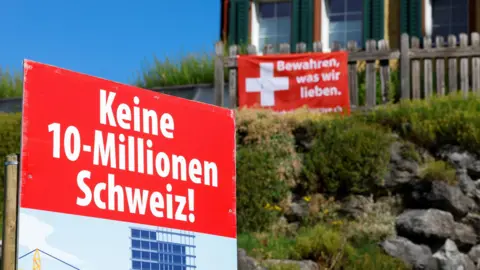
In a nationwide referendum, 55.1 % of Swiss citizens rejected a proposal that would have capped the country’s population at 10 million. The measure, put forward by the Swiss People's Party, was criticised for threatening the nation’s free‑movement agreement with the European Union and its critical labour markets. While some voters feared that a cap would reduce pressure on housing and infrastructure, many felt the proposal unfairly blamed immigrants for wider social issues. The result signals a preference for continued ties with Europe and a rejection of a strict immigration curfew. The government, business leaders and party opposition all welcomed the outcome as a sign of stability and openness.
The Swiss electorate turned down a proposal to limit the country’s population to 10 million, with 55.1 % voting against and a 60 % turnout.
The motion, launched by the right‑wing Swiss People’s Party, claimed that a cap would ease strain on housing, transport and public services. Critics argued that the plan unfairly targeted immigrants and threatened Switzerland’s free‑movement agreement with the EU.
Swiss Justice Minister Beat Jans welcomed the result, calling it a sign of "stability, openness and reliability." EU President Ursula von der Leyen also welcomed the outcome, affirming that Switzerland and the EU share deep ties.
The population, which has grown from 7.3 million in 2002 to 9.1 million today, now contains 27 % non‑citizens. The referendum highlighted differences between urban and rural voters as well as the influence of immigrant communities on city politics.
Business leaders feared losing access to the EU market. Economiesuisse chief economics officer Rudolf Minsch warned that approving a cap could jeopardise relations with the EU.
Labor shortages in tourism, hospitals and care homes are already a concern. The Swiss People's Party linked immigration to rising demands for healthcare and school places; opponents argued that the ageing population alone creates the pressure.
Swiss voters in Bern rejected the motion by an overwhelming 84 % margin, while key tourist regions such as Graubünden and Valais also opposed the cap. The referendum case is a reminder that direct democracy allows Swiss citizens to shape policy directly.