Europe is experiencing a fever as temperatures forecast to top 40°C spread across France, Spain, Italy, Switzerland and beyond. The U.K. is also sounding a rare red heat warning for parts of England and Wales, with the Met Office predicting peaks of up to 38°C.
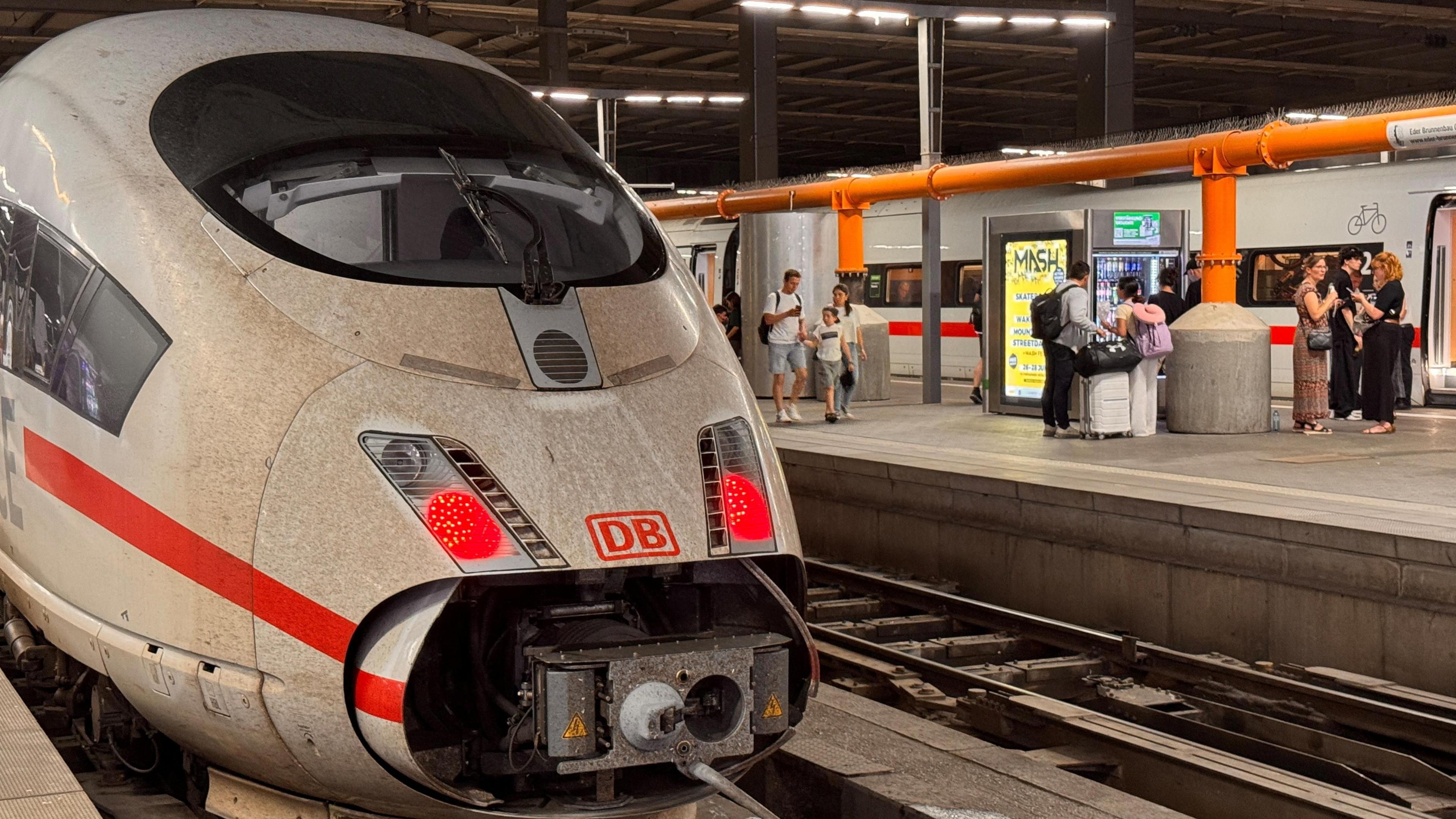
Red heat alerts, the highest level of warning issued by national forecasters, tell the public to be extremely cautious and suggest that the conditions could be life‑threatening. In France, more than half of the regions are under the harshest warning, and Météo‑France has shut down nearly 850 schools and urged vulnerable passengers to avoid trains during the heatwave.
The emergency has pushed the French government to ban alcohol at the Fête de la Musique, a national street‑music festival, to keep services at the front lines and safeguard vulnerable people. The ban covers all events organised by the state and its agencies, and has already been carried out before the favourites of the holiday crowds.
In the south‑west of France, an investigation into the deaths of two children stuck in a car in Carpentras has pointed to the heat as a probable factor. Their mother was returned from a shopping trip and ambulance crews were unable to resuscitate the pair. The prosecutor is still gathering the precise cause, but the incident highlights the dangers of enclosed, unventilated vehicles on hot days.
Similar tragedies have unfolded elsewhere: Germany recorded five drowning deaths over the weekend and a wildfire has forced the temporary closure of a major motorway in Greece. In the U.K., the Met Office has warned that inland areas may see temperatures as high as 38°C and advised people to stay hydrated and seek cooler environments.
The heatwave is being driven by hot air moving north from the Sahara, trapping winds over central and western Europe. Heat readings are set to peak on Wednesday, with Paris steading for 41°C and San Sebastián up to 40°C. Scientists say this pattern – one of the longest and most intense – is a stark reminder of global warming trends.
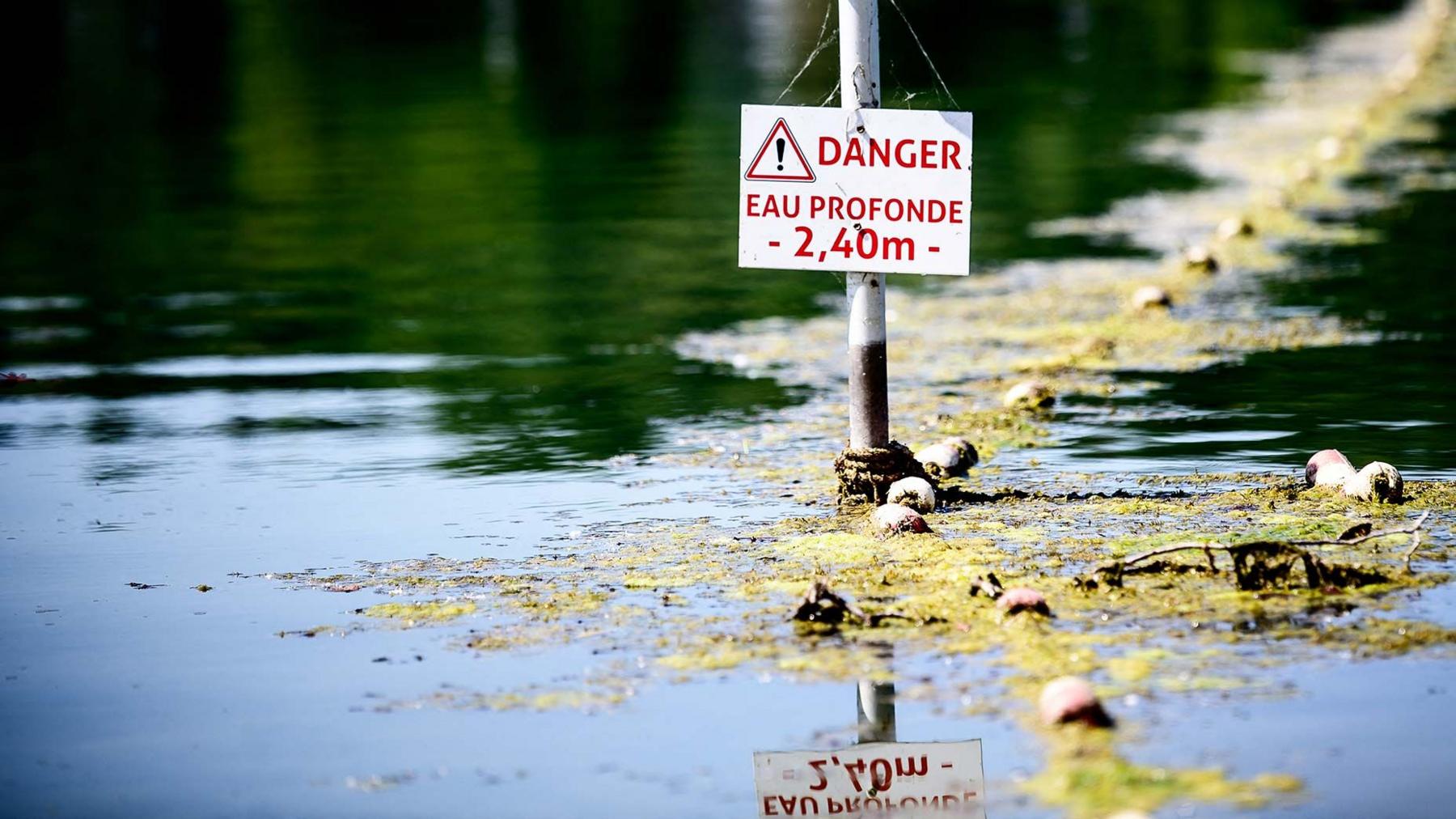
Across the continent, the crisis has prompted rapid public health responses: schools have moved classes early, trains in France have cut peak‑hour services and the government has issued guidance on avoiding unsupervised cooling in lakes or rivers, citing 13 drownings over the weekend. The EU is also watching the climate data closely, as heatwaves of this magnitude become more frequent in the 21st century.