Europe Keeps Cool Amid Record‑Breaking Heat
Across the continent, temperatures are surging past historic limits as governments scramble to protect citizens and workers from the relentless heat.
In Amsterdam, city officials have launched a network of “cool‑down” spots – libraries, cafés and community centres offering shade, water and pets‑friendly spaces. The initiative targets districts most vulnerable to heat, with 12 pilots already operating in Nieuw‑West.
Meanwhile, teachers in Paris have turned school windows into makeshift sunscreens by coating them with a chalk‑based whitewash that reduces solar radiation. The move, coordinated by the town hall of the 10th arrondissement, also keeps youngsters comfortable during shifting teaching schedules.
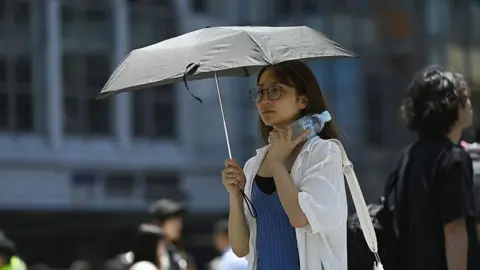
In Madrid, public fountains run long into the night and temporary sprinkler systems have been activated in several districts. Sidewalks are littered with umbrellas and language‑free signage urging residents to keep cool with water drips and shade.
Nantes’ local government has even offered free cinema tickets to those under 25 or over 65, directing people toward air‑conditioned public spaces for afternoon leisure. A similar strategy was endorsed by museums across Lyon, temporarily lifting entry fees.
Workers in Germany, particularly at Deutsche Post, received municipal memos recommending long‑sleeved shirts and protective caps as a precaution against heat‑injury. The DHL Group’s catalogue also lists suitable Bermuda shorts for postmen in hot climates.
In Belgium, the High Alert heatwave has prompted the removal of older commuter trains without air conditioning from service, while extra bus routes have been added to ferry commuters to cooler regions of the north coast. Several schools also relocated examinations into church halls to take advantage of built‑in shelters.
These wide‑ranging interventions underscore a growing trend across Europe: public agencies and private businesses alike are adopting innovative, community‑centric solutions to confront the escalating temperatures and safeguard public health.