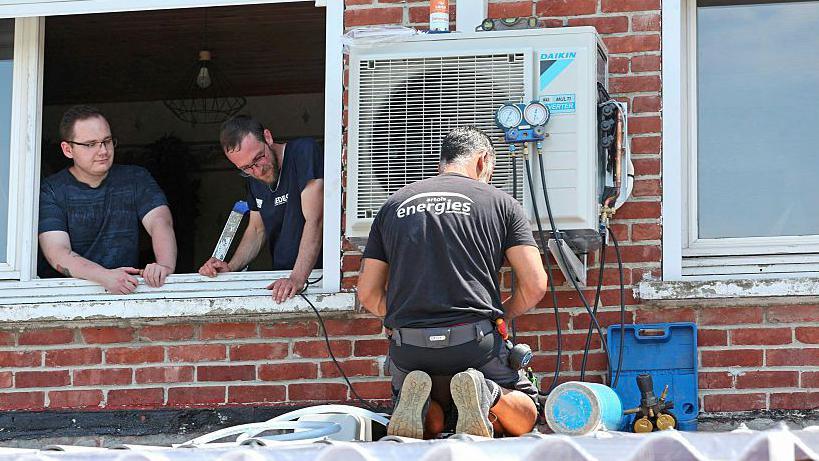
Under a blistering 40°C sky, France is forced to confront its long‑standing ambivalence towards air‑conditioning. The record‑setting heatwave, witnessed on 24 June 2026, has pushed heating and cooling into the public eye, turning a technical issue into a polarised political debate.
Only a quarter of French homes currently have an air‑conditioning unit, a shockingly low figure compared with Spain and Italy (50%) or the United States and Japan (90%). Hospitals and schools in France are almost universally equipped, and the current heatwave has seen thousands of classrooms shuttered as staff and students can no longer endure the sweltering indoor environment.
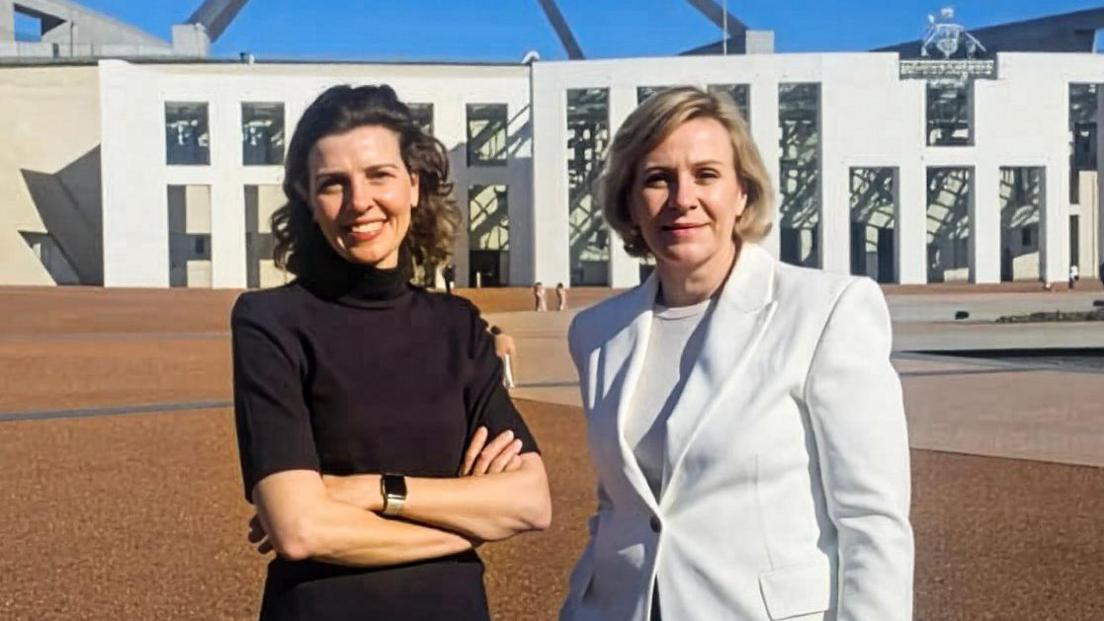
The Green movement, traditionally hostile to air‑conditioning on environmental grounds, has signalled a moderation. Marie Tondelier, head of the Ecologists party, declared that the device will become “necessary” in hospitals and schools, breaking the party’s anti‑clim stance. This marks a rare consensus on a climate‑related day‑to‑day necessity.
Meanwhile, Marine Le Pen and the National Rally are spearheading a nationwide “Plan Clim”, calling for subsidised make‑es all schools and hospitals can be equipped with cooling units. The plan would involve €20 bn in interest‑free loans, potentially allowing 30 to 40 million households to install air‑con units. Critics argue the plan is opportunistic, yet the urgency of public safety is becoming an undeniable reality on the ground.
The political divide is compounded by public‑health concerns: without cooling, patient care quality drops and staff experience heat‑related stress. In Nantes, for example, a new hospital will only have air‑conditioning in half of its rooms, prompting united outcry from medical unions. CGT union member Olivier Terrien demanded that “everywhere we need clim” as part of the environmental policy.
Energy‑wise, the implications are significant. While French electricity largely comes from nuclear sources, cooling still consumes substantial power. In other nations where electricity is fossil‑fuel‑heavy, air‑conditioning exacerbates climate impacts, especially when refrigerants leak. The “urban heat island” effect, which can raise city temperatures by up to three degrees, adds another layer to the debate.
As the heatwave remains, the country faces growing pressure to adapt: public demand for cooling, debates over green energy, and the practical needs of students and patients will shape policy decisions in the coming weeks. With political ideologies clashing over “climatisation”, France confronts a paradoxical choice: resist or adapt to a changing climate that demands immediate action and is already turning political doctrine into thermal policy.