France’s Heatwave Sparks an Air‑Cooling Political Rift
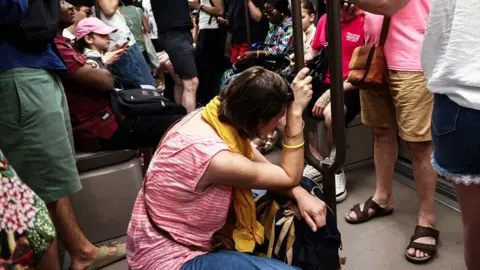
On 24 June 2026 a record‑setting 40 °C set in France, turning the nation’s heat‑wave into a national crisis. With only one in four homes fitted with a cooling unit, the temperature spike has risked school closures, exhausted hospitals, and turned city streets into dangerous heat traps.
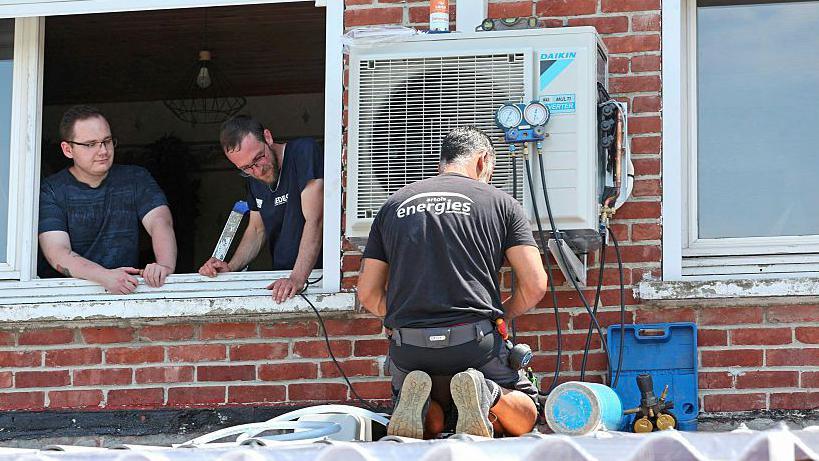
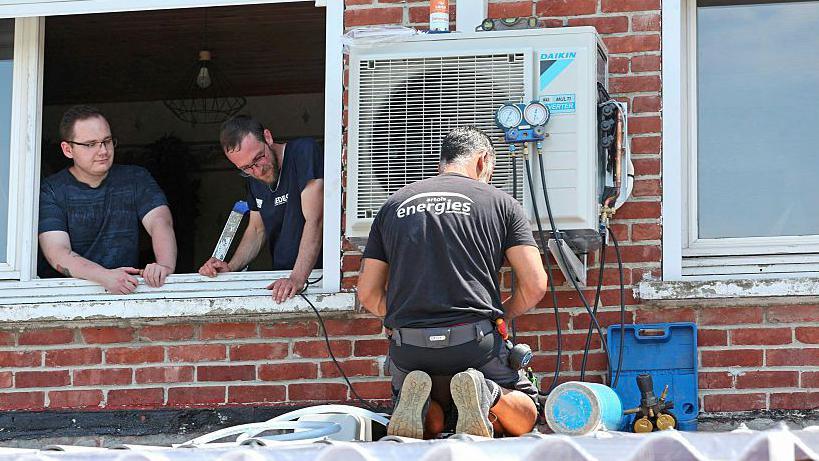
The debate over “la clim” – short for air‑conditioning – resurfaces with the heatwave. Marine Le Pen’s National Rally (RN) urges a nationwide plan granting subsidised units to schools and hospitals, talking about €20 bn worth of interest‑free loans for 30 million households. The Green Party’s Marie Tondelier counters that “air‑conditioning is unavoidable now.” These defences shine through entrenched political hostility; the right has traditionally bailed on “green” cooling, while the left has historically decried it as a climate sell‑off.
Yet both sides must grapple with the real cost of widespread AC use. France’s electricity largely comes from nuclear, but the refrigerants employed risk greenhouse‑gas leaks, and the expulsion of heat from air‑co systems can raise city temperatures by two to three degrees, aggravating the heat‑island effect. The long‑term trade‑off between immediate comfort and climate ambition has become painfully immediate.
Across the country, hospital planners in Nantes announce that only half of a new 600‑bed hospital will host cooling, igniting union protests. Paris’ regional president Valérie Pécresse argues in favour of full air‑conditioning for traffic, linking it to climate goals. The status quo – insulating buildings and encouraging natural ventilation – is under pressure from the heat’s real‑world casualties.
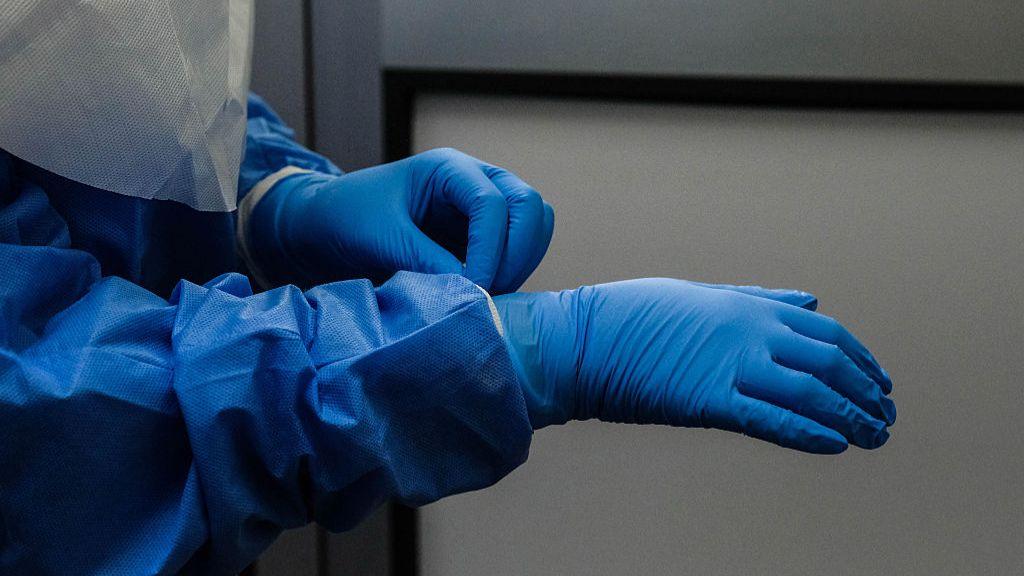
Human stories flash across the capital. In Lyon, a child licks a fountain after class to cool off. A nurse in a non‑air‑co ward reports a “constant battle” to keep patients from overheating. The nation’s emergency services warn of a surge in heat‑related medical cases.
The political divide has sharpened; parties now debate subsidies, technology, and how to reconcile different philosophies on climate action. The heatwave’s pressure is converging both sides on a common conclusion: an updated approach to “la clim” is inevitable, even as the debate remains heated – literally and figuratively.