Heatwave Turns Banda Into 24‑Hour Day
For the past week, the district of Banda in Uttar Pradesh has been in the grip of a relentless heatwave, with temperatures soaring to 47‑48 °C (116‑118 °F). The high, the high, the high – as local residents keep saying – compels the entire town to adapt its rhythm to days that feel more like afternoons than mornings.
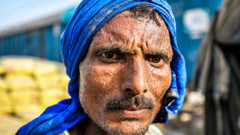
When the sun first writes sunshine over the town at 6 a.m., the air has already ached like a summer afternoon. Farmers, who rely on the early mist of the kilometer‑wide markets, now burst into the stalls before sunrise, offering tomatoes, gourds, chillies and lemons. “It’s 6:15 a.m. and it feels like 8‑9 a.m.”, says Himanshu, an early‑hour trader, as he shines a glare from the blazing sky. The trade slows dramatically by 8 a.m., as the heat begins to bite the produce and the people.
Workers who spend long hours outdoors have been forced to adopt a split‑shift pattern. Pappu Verma, a mason, now does work from 7 a.m. until 12 p.m. and from 4 p.m. until 7 p.m., taking a long break in the middle of his day to avoid heat stress. He stresses that salary does not change; the break merely protects the workers from headaches, heatstroke and dehydration, and lets them finish eight paid hours before the weather climbs too high.
The heat and the accompanying short desertion of traffic has an economic toll. E‑rickshaw drivers miss most of their late‑afternoon passengers as the streets fill with heat‑hungry crowds. Shopkeepers open before dawn and shut between noon and 4 p.m., while patrons flee the street and return only at dusk. The Ken River – central to Banda’s topography – has shrank due to sand mining and groundwater depletion, cutting off a natural heat‑moderating mechanism, researchers say.
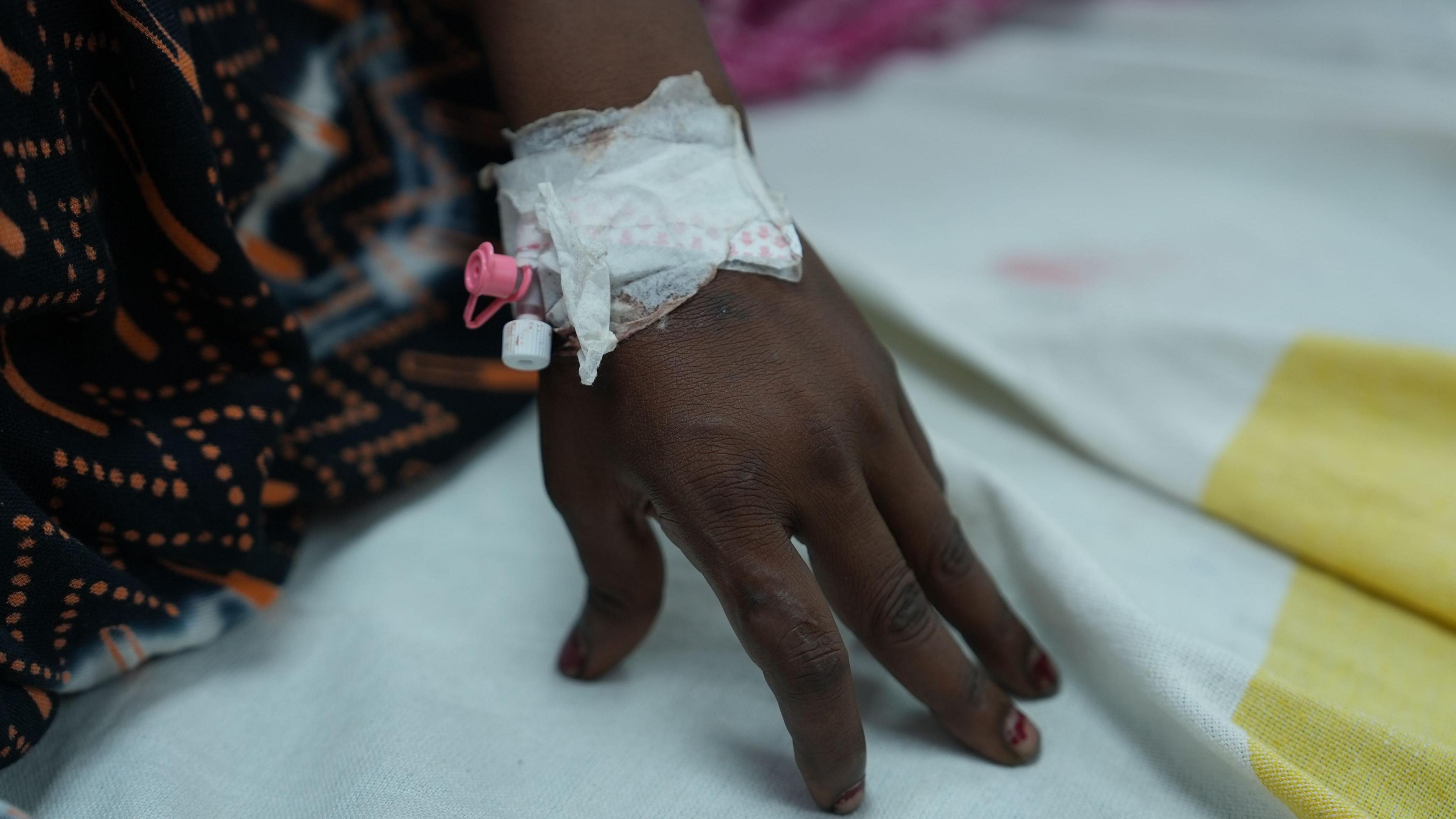
Health officials note a surge in heat‑related admissions, with doctors treating children and elderly patients suffering from diarrhoea, vomiting and fever. “Since the heat intensified, we’ve been seeing 15–20 cases a day,” says K Kumar, chief medical superintendent at the Women’s District Hospital. “These are the most common symptoms.”
In a broader context, the Indo‑Gangetic Plain is a growing hotspot for dry, humid heat, where a dense population, extensive irrigation and a large number of outdoor workers elevate the risk for heat stress. Climate scientists warn that the district’s exposure to extreme temperatures for longer periods could drive excess deaths, especially among the elderly, construction workers and those with limited access to cooling.
Despite the challenges, many residents keep their spirits up. A 60‑year‑old former teacher now rearing buffaloes chooses to wear heavy woolen cloth in the 46 °C heat, reasoning it protects him from the sun’s rays. “We have to adapt to survive”, says Rameshwar Yadav, “but adaptation isn’t the same as relief.”
The most dramatic relief came on Friday, when a western disturbance brought dust storms and rain that dropped the temperature by 8‑9 °C. “We breathe again”, says local farmers, relieved that the heat's cruelty is not unending.
In Banda’s hearts, the heat no longer steps on mornings or nights; it has built a 24‑hour day that tests every citizen.