Heart‑Shattering Rape in Bihar Echoes Delhi's 2012 Assault
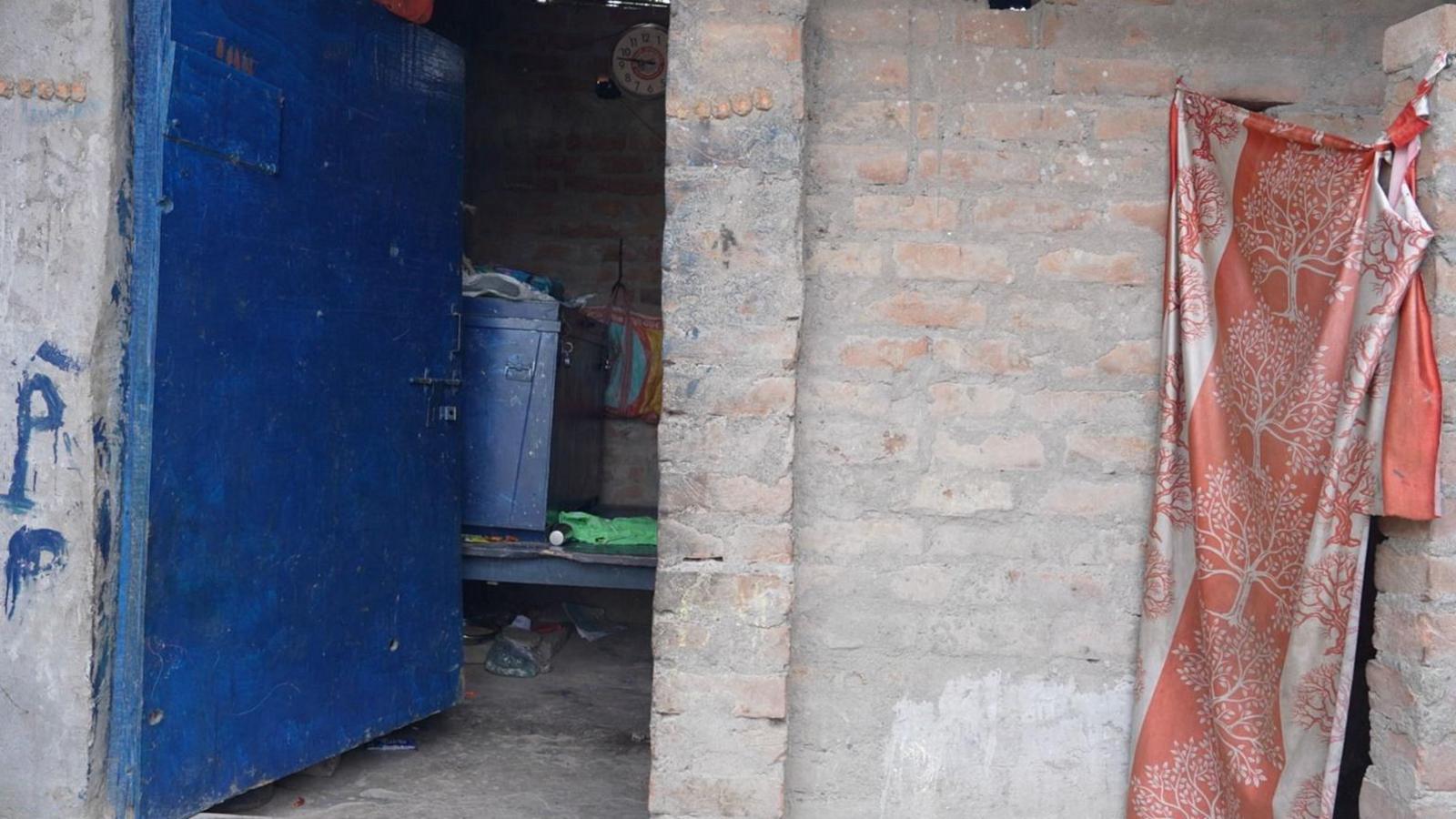
On the night of 11 June, in a one‑room village home in Begusarai, a 28‑year‑old woman—known publicly as “Soma” to protect her privacy—was raped by a group of five men while she was alone in the outdoor bathroom that had only a cloth curtain for privacy.
The attackers removed objects from their pockets, slashing her chest with a blade and inserting a bullet casing and other items into her vagina, a heinous act that surgeons later confirmed and immediately extracted.
When Soma’s husband first heard her accusations, he was dismissive, blaming the noises on a stray cat. It was only after the house was force‑opened that neighbors saw the evidence of the assault and he realized the gravity of the situation. He rushed her to a police station 3 km away, only to find the officers refusing to file a complaint and instead directing him to seek medical care.
The local Begusarai Police Superintendent, Maneesh, confirmed that a medical report had stated “sexual assault” and that a Special Investigation Team was actively conducting raids to arrest the remaining accused. However, the police chief at the station that received the family, Rajiv Kumar, was later suspended for “negligence, apathy and insensitivity.”
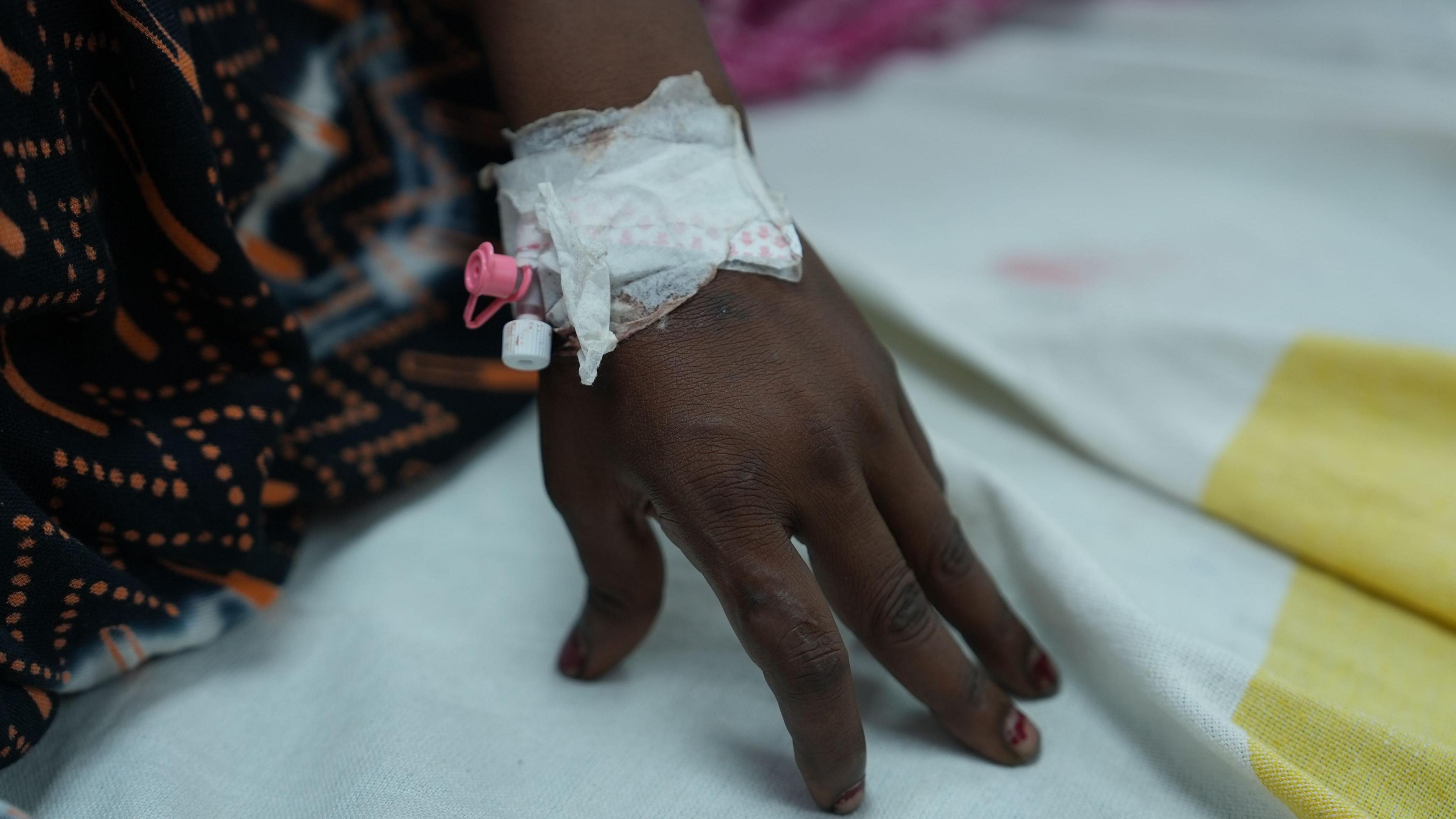
Soma’s initial treatment at the nearest government community health centre was inadequate; the private clinic she first visited admitted no doctor on duty and claimed it did not handle emergencies. The district hospital later removed a bullet casing from her stomach and cleared other foreign objects from her body. Still, the woman was discharged and then readmitted after losing consciousness, reflecting a troubling neglect that many rural victims face.
The brutality of the case has drawn comparisons to the national outrage sparked by the 2012 Delhi gang‑rape on a bus, where a 23‑year‑old physiotherapy student was similarly assaulted with objects and later died. That incident led to severe anti‑rape laws and the death penalty, yet India still records more than 30,000 rape cases annually, a statistic that highlights systemic failures in prevention and justice.
Despite the national spotlight on Soma’s story, many activists argue that the media attention inflated by the bullet‑casing detail masks the broader issue: “We have learned no lessons,” says anti‑rape campaigner Yogita Bhayana. “Society has become desensitised to extreme brutality.”
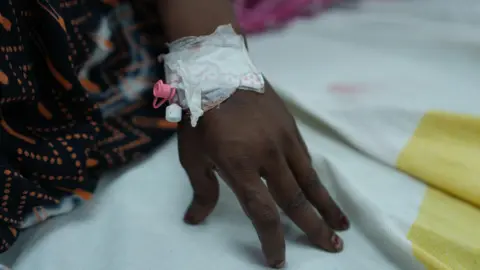
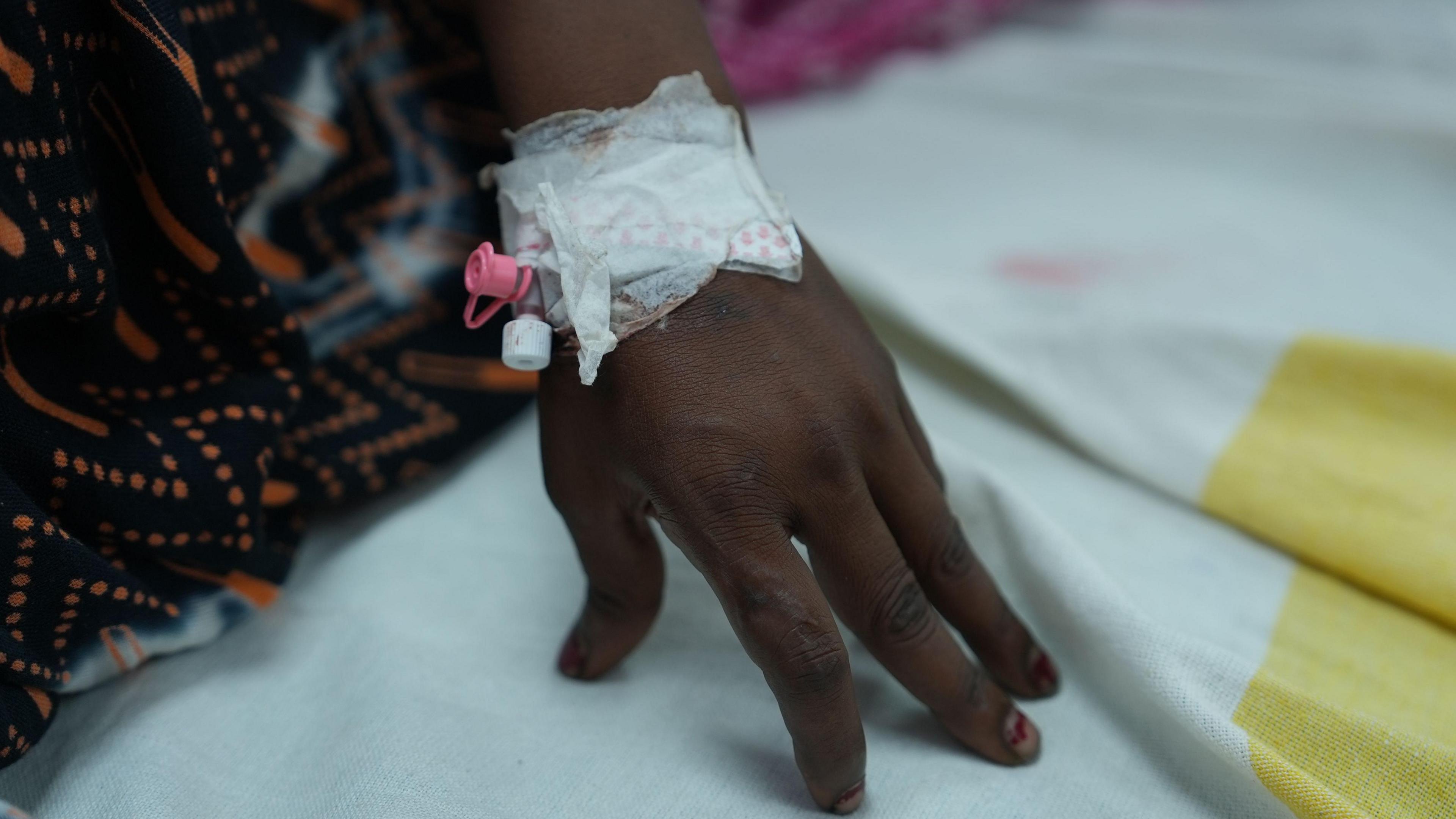
Soma, currently in a hospital bed nine days after the assault, remains in significant pain but expresses hope of returning to her children. “I am very worried about my children,” she says. “They are being looked after by relatives in a village 35 km away. I want to get back home to them soon.”
The case underscores the urgent need for swift police action, trained medical personnel, and community support systems that can protect and testify for victims in India’s most socially and economically backward regions.