
Telegram sues India over temporary ban
Telegram has filed a court challenge against the Indian government after the Ministry of Electronics and Information Technology blocked access to the messaging app on February 27, the same day the National Eligibility‑cum‑Entrance Test (NEET) was postponed amid a paper‑leak scandal.
The ban was invoked under a provision of India’s IT Act that allows authorities to block online platforms to safeguard “sovereignty and integrity.” Telegram’s response is that the move penalises hundreds of millions of users who rely on the platform for education, business and personal communication, while doing little to stop the leaking criminals.
Telegram CEO Pavel Durov publicly decried the order on X, calling it a “mistake” and noting that the company has already removed hundreds of channels that circulated leaked exam materials. He warned that those responsible for the leak would likely switch to other apps if Telegram is blocked.
The government argues that the ban protects the integrity of the upcoming NEET exam, scheduled for Sunday. Lawmakers from the opposition have questioned whether the education minister should face scrutiny for the decision, and civil‑society groups have expressed concerns that the move disproportionately hampers students who use Telegram for free study resources.
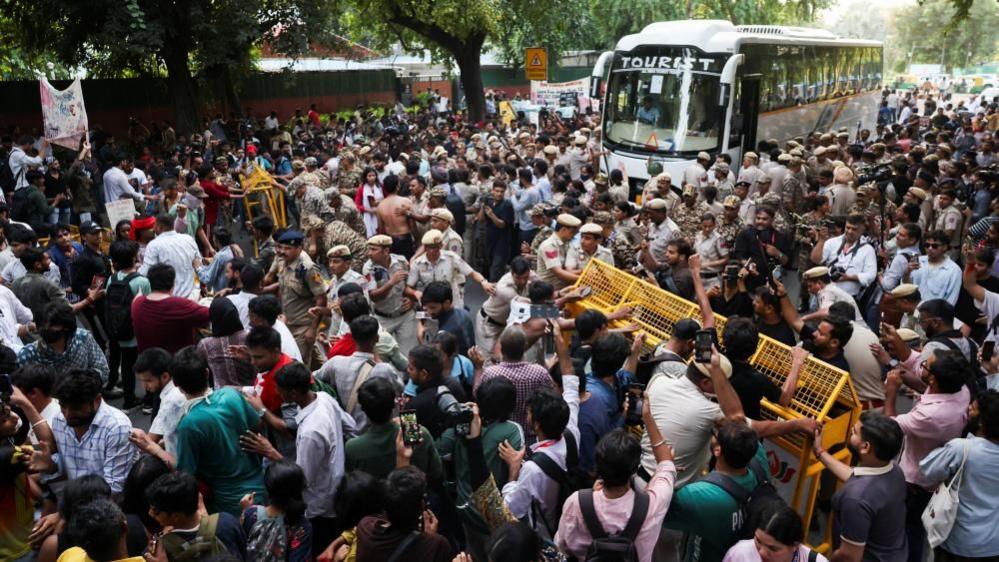
The NEET controversy has already seen the Central Bureau of Investigation arrest more than a dozen suspects, and the cancellation of the May 2026 paper sparked protests that spread across India. Experts warn that a platform as ubiquitous as Telegram could be replicated on other messaging services, raising questions about the effectiveness of blanket bans as a strategy to curb exam fraud.
The case has been forwarded to the Delhi High Court, where a judge has scheduled proceedings later in the day.