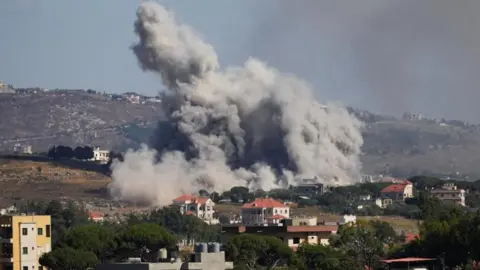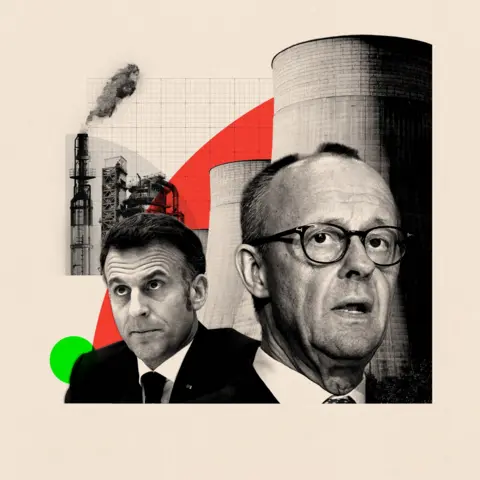
The knock-on effects of the conflict now whipping through the Middle East are awakening ghosts of crises past that shook the European Union. Seven months into Russia's full-scale invasion of Ukraine, the President of the European Commission stood at her podium in the European Parliament and accused Russia of manipulating the EU's energy market. As spiraling energy prices hit consumers across the continent, Ursula von der Leyen proclaimed, This is a war on our energy, a war on our economy, a war on our values and a war on our future, insisting that Europe was already pivoting away from Russian gas towards more dependable partners such as the US and Norway. However, four years later, deep energy-linked frustration looms again in Europe, fueled by the recent energy shock triggered by the Middle East conflict.
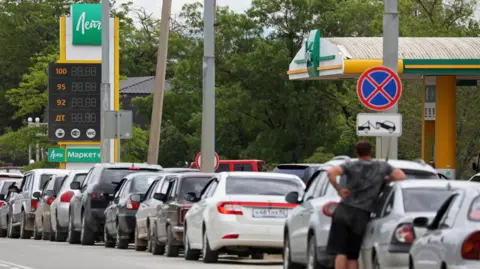
Leaders are in a panic over energy prices, scrambling for short-term solutions rather than focusing on long-term plans to build a competitive Europe. The summit of European leaders reflects growing anxiety among heads of state regarding rising energy costs and public discontent. Many European countries, including Italy and the UK, felt compelled to support consumers during the skyrocketing energy prices caused by the ongoing conflict in the Middle East.
Despite a swift previous decision to reduce reliance on Russian energy, Europe remains heavily dependent on countries such as Norway and the US. The recent crisis showcases how easily European nations can still be affected by global energy market volatility.
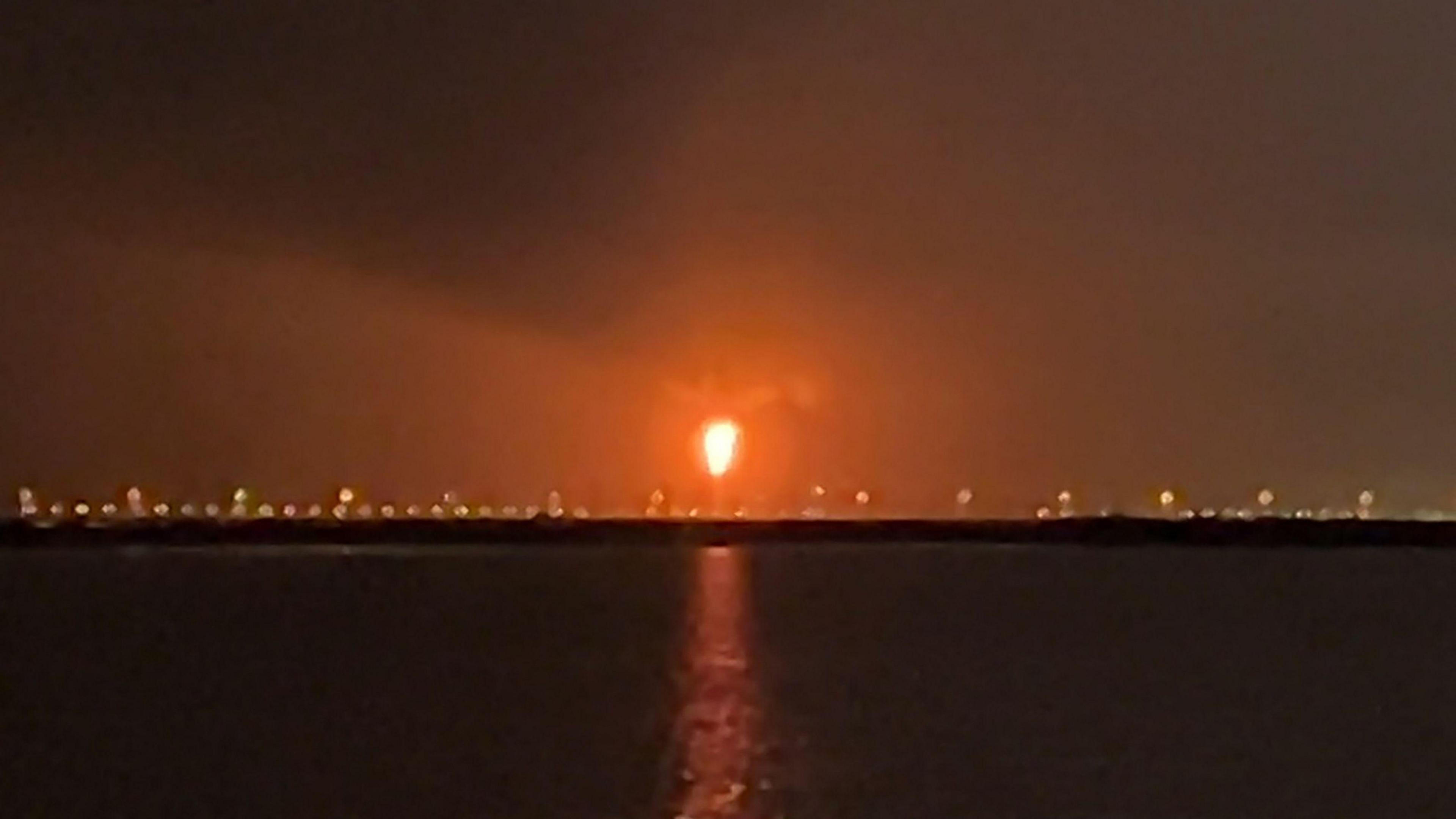
As Europe grapples with rising energy prices amidst the Iranian conflict, the discourse surrounding the EU's energy security becomes pivotal yet again. The EU is also considering measures to alleviate costs for consumers, contemplating potential reforms like price caps and an urgent reevaluation of its emissions trading system. With increasing energy demands and geopolitical instability impacting supplies, the EU must navigate a precarious landscape to ensure its energy future.
Leaders are in a panic over energy prices, scrambling for short-term solutions rather than focusing on long-term plans to build a competitive Europe. The summit of European leaders reflects growing anxiety among heads of state regarding rising energy costs and public discontent. Many European countries, including Italy and the UK, felt compelled to support consumers during the skyrocketing energy prices caused by the ongoing conflict in the Middle East.
Despite a swift previous decision to reduce reliance on Russian energy, Europe remains heavily dependent on countries such as Norway and the US. The recent crisis showcases how easily European nations can still be affected by global energy market volatility.
As Europe grapples with rising energy prices amidst the Iranian conflict, the discourse surrounding the EU's energy security becomes pivotal yet again. The EU is also considering measures to alleviate costs for consumers, contemplating potential reforms like price caps and an urgent reevaluation of its emissions trading system. With increasing energy demands and geopolitical instability impacting supplies, the EU must navigate a precarious landscape to ensure its energy future.