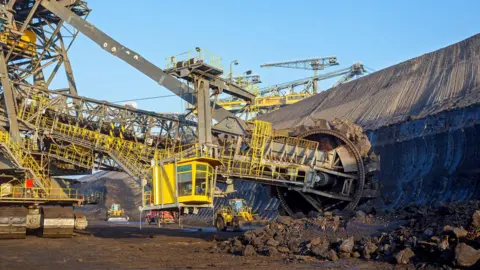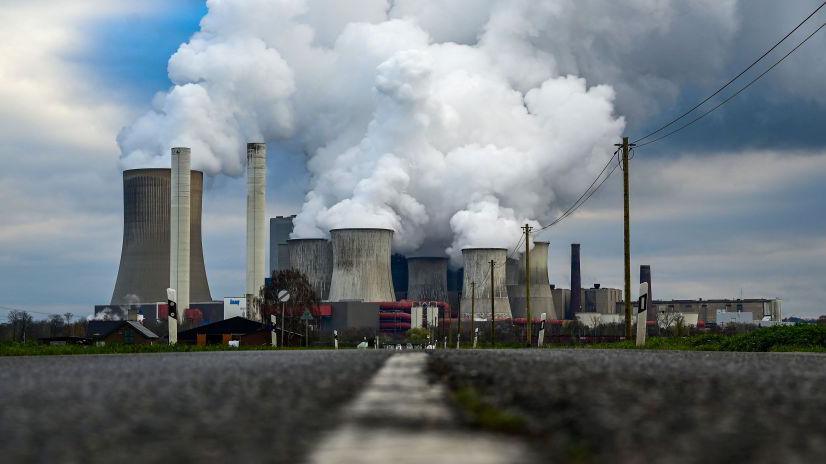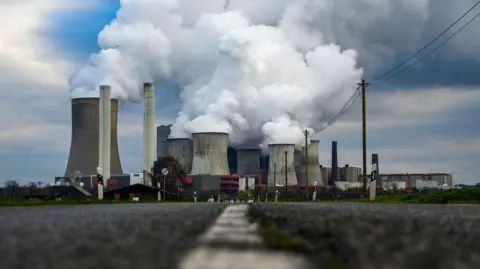
Germany’s path to a coal‑free future has become a razor‑sharp policy debate. The federal government has pledged to shut down all coal plants by 2038, with a stricter 2030 target for lignite – the low‑quality brown coal that dominates the German grid and is the most polluting.
Yet 20 % of Germany’s electricity still comes from coal, and renewable output, while growing, cannot yet guarantee year‑round supply, especially during winter peaks. With natural gas – normally half the emissions of coal – supplied largely from distant partners, prices have skyrocketed after the Israel‑Iran conflict, making the cheaper domestic lignite tempting.
Industry groups, most of whom rely on predictable power, back the idea that some coal plants could be allowed to operate permanently to bolster security and keep costs low. German chemical industry chief Wolfgang Große Entrup says renewable‑only energy “cannot guarantee reliable supply” yet, while the financial world demands certainty in pricing. The debate is not merely technical; it is split along party lines: the centre‑right CDU pushes for an extended coal use, whereas the left‑wing SPD warns that loosening rules would lock the economy back into fossil fuels.
To reconcile the conflict, a parliamentary committee created in March is studying whether the six remaining coal power stations that currently act as backup could be fully re‑activated. Steag Iqony, one of the owners, claims that “regular production would deliver electricity to millions of homes” and could shore up affordability. Meanwhile, Germany’s nuclear reactors have all been shut down, and the country relies heavily on imported natural gas—about 95 % of its supply—so domestic coal offers a much more secure option when global prices swing.
In March, Chancellor Friedrich Merz warned that Germany must make electricity available for its industry and that clinging to unrealistic phase‑out timelines could jeopardise the country’s core. Still, the government must decide this year whether the 2030 lignite deadline stands or whether a limited strategic reserve will last. An August statutory review will evaluate the practical impacts of the phase‑out on supply, security, and price. The country’s target is clear: move away from coal, yet the path is contested, with an influential coalition of CDU/CSU and SPD bargaining for a future where renewables rule but backup coal may still bite the hole where assets like gas imports fail to keep the lights on.