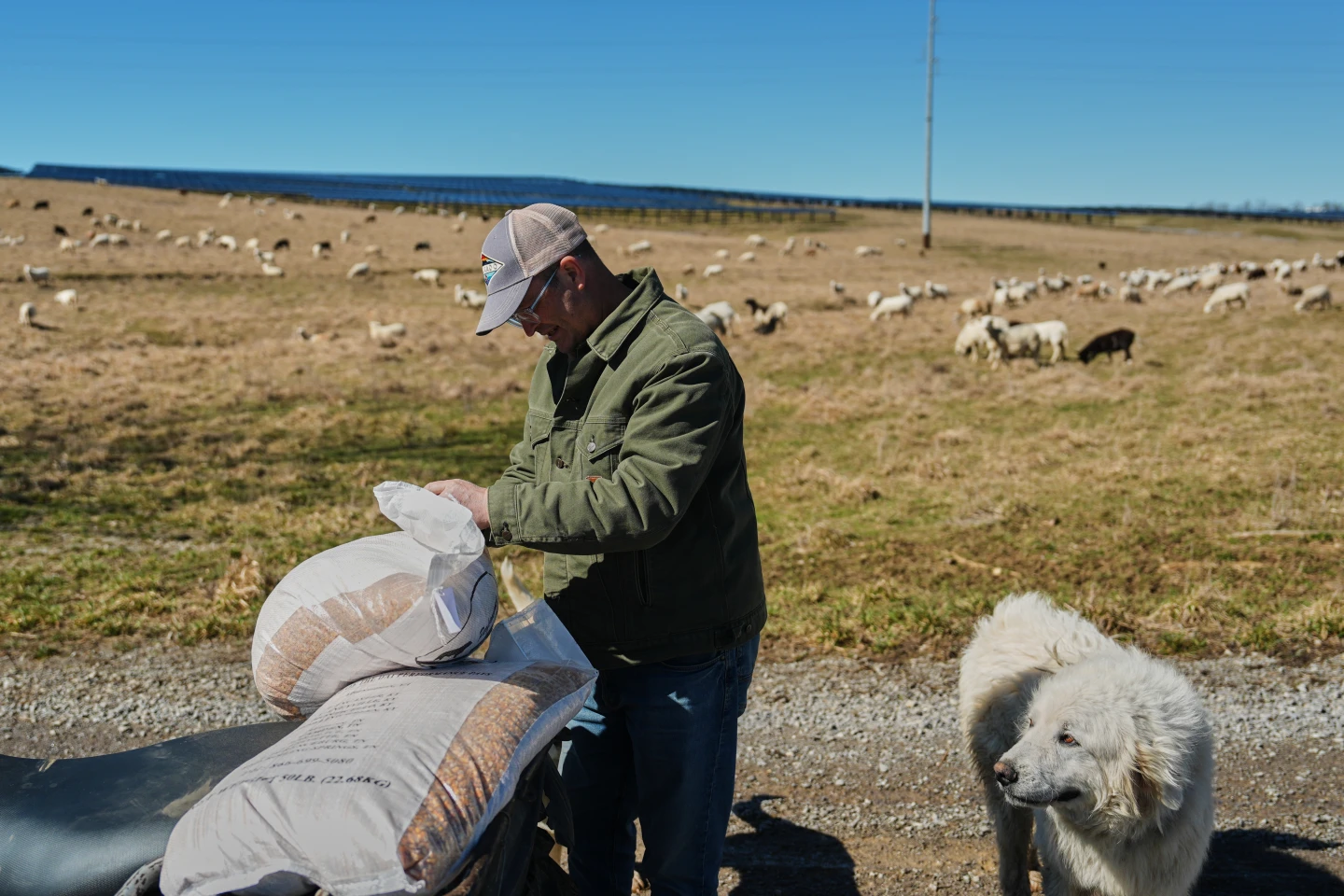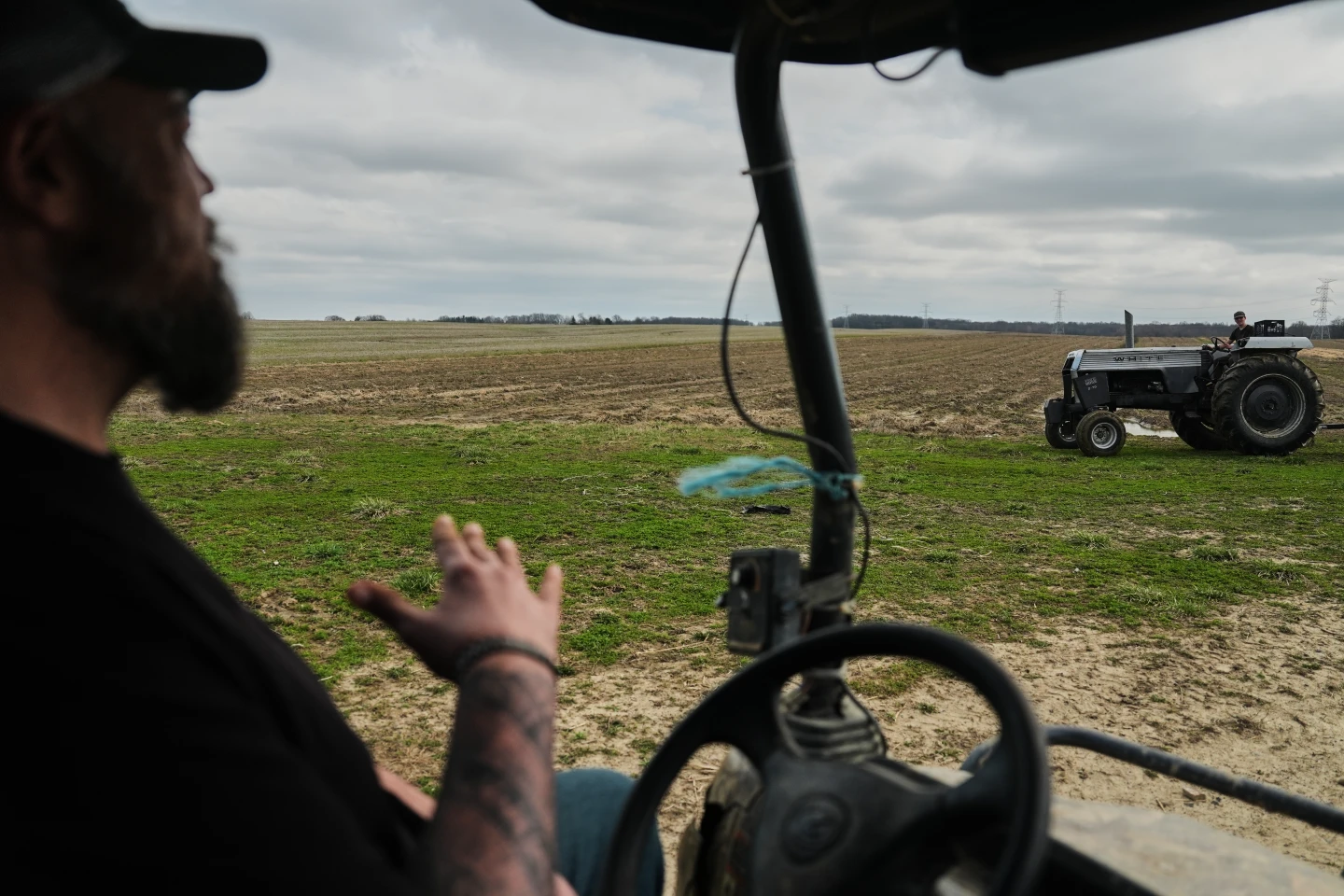
In Canfield, Ohio, Wayne Greier, a sixth-generation farmer, is watching his son Blake prepare fields with a tractor, a common sight in rural America. This year, however, the family's efforts to secure a much-needed solar farm on their land were thwarted by local regulations, leaving Wayne worried about his financial sustainability amid a heavy burden of medical debt. It was our saving grace, he stated, reflecting on the personal stakes involved.
The opposition to solar projects often stems from fears over land use and environmental impact. Local officials in Greier's community have aligned with state laws permitting counties to block solar developments that they believe could threaten farmland. Meanwhile, Greier's past discussions with solar companies highlighted a desire for collaboration to provide renewable energy solutions that could simultaneously support agricultural viability.
Complicated Community Dynamics
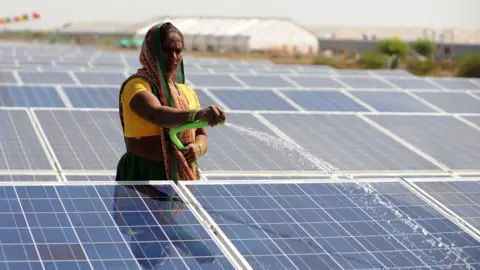
Local backlash against solar developments has gained momentum across the state. Activists advocate for the financial benefits, such as lease payments and job creation, which the energy projects could bring to farming households struggling with volatile market conditions. Yet residents like Bobby Rauen, who initiated a petition against a nearby solar project, are urging government officials to halt developments until stricter regulations ensure community safety.
The ongoing debates reflect a struggle rooted not just in environmentalism, but in property rights. Many in rural America believe that they should have the autonomy to make decisions about what happens on their land, without mandates imposed by external authorities. As the energy landscape continues to evolve in this transitional period, the future of solar projects on farmland hinges on finding a balance between development and local community concerns.
For individuals like Morgan Carroll, advocacy has become essential as she fights against administrative bans within her community, emphasizing both economic necessity and responsible resource management for future generations. I want them to be in a county that can provide jobs, a good school for them. I don't want to have to move, she explained.
As this issue unfolds, Ohio's local governments face an uphill battle reconciling the demands of residents who desire clean energy solutions while navigating the complexities of community sentiment toward solar developments. The potential for agricultural lands to serve dual purposes—producing food and renewable energy—remains a contentious topic for many counties.