China has long braced for a Gulf oil supply shock - but the Iran war's disruption of a key global shipping route is now putting its resilience to the test.
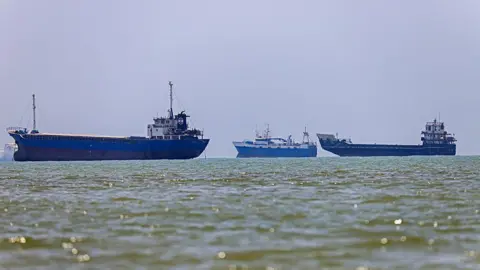
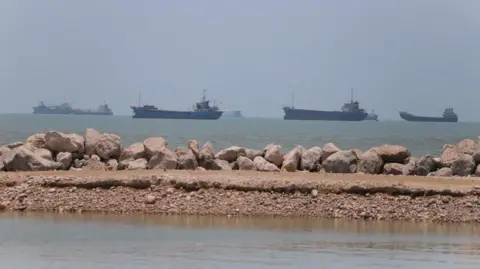
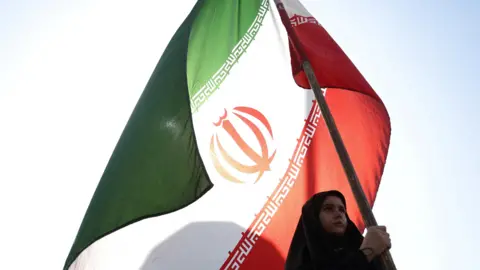
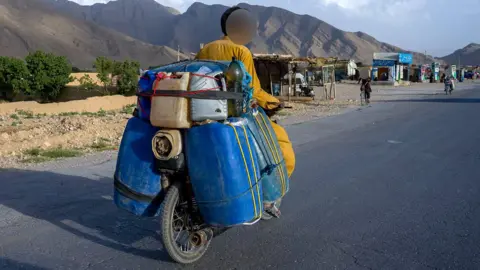
Energy shipments from the Middle East have been at a standstill following Iran's threats to attack vessels that pass through a critical trade waterway as retaliation against US-Israeli strikes. The blockade has led to a global oil shortage that has rocked Gulf-reliant Asian countries hard - with the Philippines mandating four-day work weeks to save fuel, and Indonesia seeking ways to avoid burning through reserves that will last just weeks. China, the world's largest buyer of oil, is also feeling the strain but sits in a better position than its neighbours after years of statecraft that have prepared it for a global energy crisis.
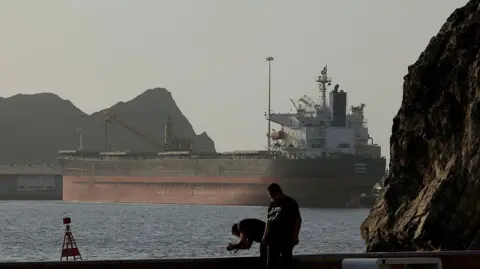
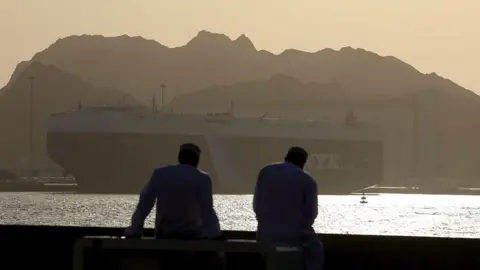
The world economy has been thrown into turbulence since the US and Israel launched strikes against Iran in late February. Oil prices have soared to close to $120 a barrel, pushed up by strikes on shipping and energy infrastructure, along with the effective closure of the Strait of Hormuz, the world's busiest oil shipping channel.
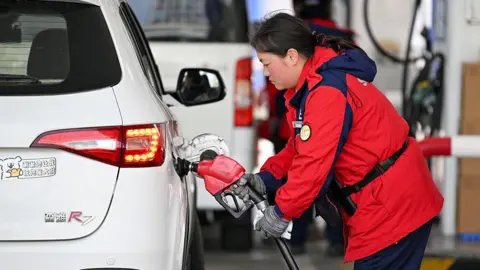
About a fifth of the world's oil passes through the strait - around 20 million barrels each day, according to estimates from the US Energy Information Administration (EIA). The shortage has left countries scrambling for alternative crude suppliers outside of the Gulf while others tap into their reserves. As the world's second-largest consumer of oil after the US, China uses an estimated 15 to 16 million barrels of oil daily, primarily for its massive transportation network.
Most of the imported crude oil comes from Gulf countries, with barrels from Saudi Arabia and Iran accounting for more than 10% of its imports each. However, the North of China relies mainly on domestic oil production and pipeline imports from Russia - crucial buffers amid the current turmoil.
Beijing has built one of the world's biggest oil reserves, capitalizing on lower crude prices and abundant supply from Gulf states. In January and February of this year, Beijing bought 16% more crude compared to the previous year. Reports suggest that China buys more than 80% of Iran's oil exports.
Despite its preparedness, challenges remain as rising oil prices impact factory costs in its petrochemical industry. Yet, China's significant investment in green energy sources has lessened its reliance on oil; renewable energy accounted for over a third of its electricity. As electric vehicle sales rise, the country is increasingly insulated from the direct impacts of surging oil prices.
While energy supply shocks significantly influence the Chinese economy, its critical infrastructure, resource diversity, and emphasis on renewables may continue to provide resilience against crisis-driven fluctuations in international oil markets.