In brief
Bill Stiteler’s AI‑powered track “First time in San Juan, mi hijo” has turned into a TikTok earworm, pulling in a million viewers and celebrity cover videos. Puerto Rican voices—from podcaster Debbie Perez to chef Maria Mercedes Grubb—express pride that their anthem is heard globally, yet caution that it may oversimplify the island’s complexities. The song draws on iconic imagery: the Puerto Rican flag, the Roberto Clemente statue and, notably, a reference to the power outage crisis. Alongside the viral craze, Bad Bunny’s recent Super‑Bowl appearance and a two‑month tour brought tourism revenue and spotlighted socio‑environmental issues. Ultimately, the track has opened a new dialogue between fans worldwide and Puerto Ricans about identity, representation and the role of music in social activism.
The Viral Puerto Rico Song: AI‑Generated Beat Sparks Cultural Debate
by Iqra Farooq | BBC World Service | 12 June 2026, 11 am UTC
A catchy tune that began as a simple Instagram post has taken the internet by storm. Bill Stiteler—known online as Saxboy Billy—used an AI music platform to turn the lyrics “First time in San Juan, mi hijo” into an upbeat track that has now amassed at least a million views on TikTok.
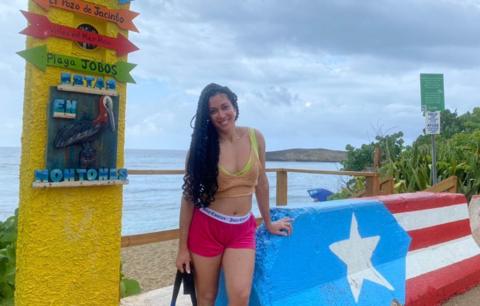
Around the world, users have embraced the song, adding the red, white and blue of Puerto Rico’s flag in their captions. Over 27 celebrities, from Mila Kunis to Charlie Puth and Jennifer Love Hewitt, have lip‑synced to the track, cementing it as a summer‑catchy anthem.
But when the song became a global meme, questions about cultural representation popped up. Puerto Ricans on social media highlighted a mix of excitement and criticism for how the song portrays their homeland.
“To see the song being played by people who aren't Puerto Rican is amazing. It feels like we’re on the map,” says Maria Mercedes Grubb, a San Juan chef. Grubb appreciated the genuine references—such as the Roberto Clemente statue—adding that the AI-driven melodies were “a clever way of celebrating culture.”
“We felt like the creator appreciated our culture. He said he would love to collaborate with Puerto Rican artists,” adds Debbie Perez, the host of the podcast Boriken. Perez notes the track has “opened the door to more nuanced conversations about Puerto Rico.”
The lyrics also touch on less glamorous topics—slot machines in the bus station, a statue of Barack Obama, and most strikingly, the nightly power outages that result from a broken electricity grid left after Hurricane Maria in 2017. Statistically, Puerto Ricans have faced an average of 27 hours of blackouts every year from 2021 to 2024.
The song’s popularity coincides with another high‑profile musical moment: Bad Bunny—whose cultural influence is impossible to ignore—performed a two‑month residency in San Juan that injected an estimated $200 million into the island’s economy. His stunt “El Apagón” made headlines, with the performer dancing on top of utility poles as power lines flickered, a visual statement on the island’s ongoing blackouts.
While some listeners dismiss the track as “silly and goofy,” others see it as a gateway into deeper discourse about the lived realities of Puerto Rico. Perez argues that “art opens the door to curiosity—just like Bad Bunny opened the door.” The conversation is about balancing celebratory love with sober acknowledgment of struggles, such as the chronic power outages and economic challenges faced by residents.
In the end, the viral song is a testament to the power of social media to both amplify a culture and incite critical conversation. Whether the trend remains a light‑hearted summer jam or evolves into a catalyst for change remains to be seen.