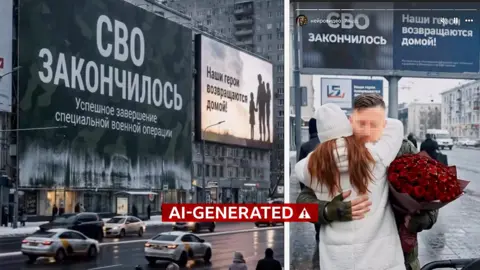
AI‑generated videos of missing Russian soldiers trend online
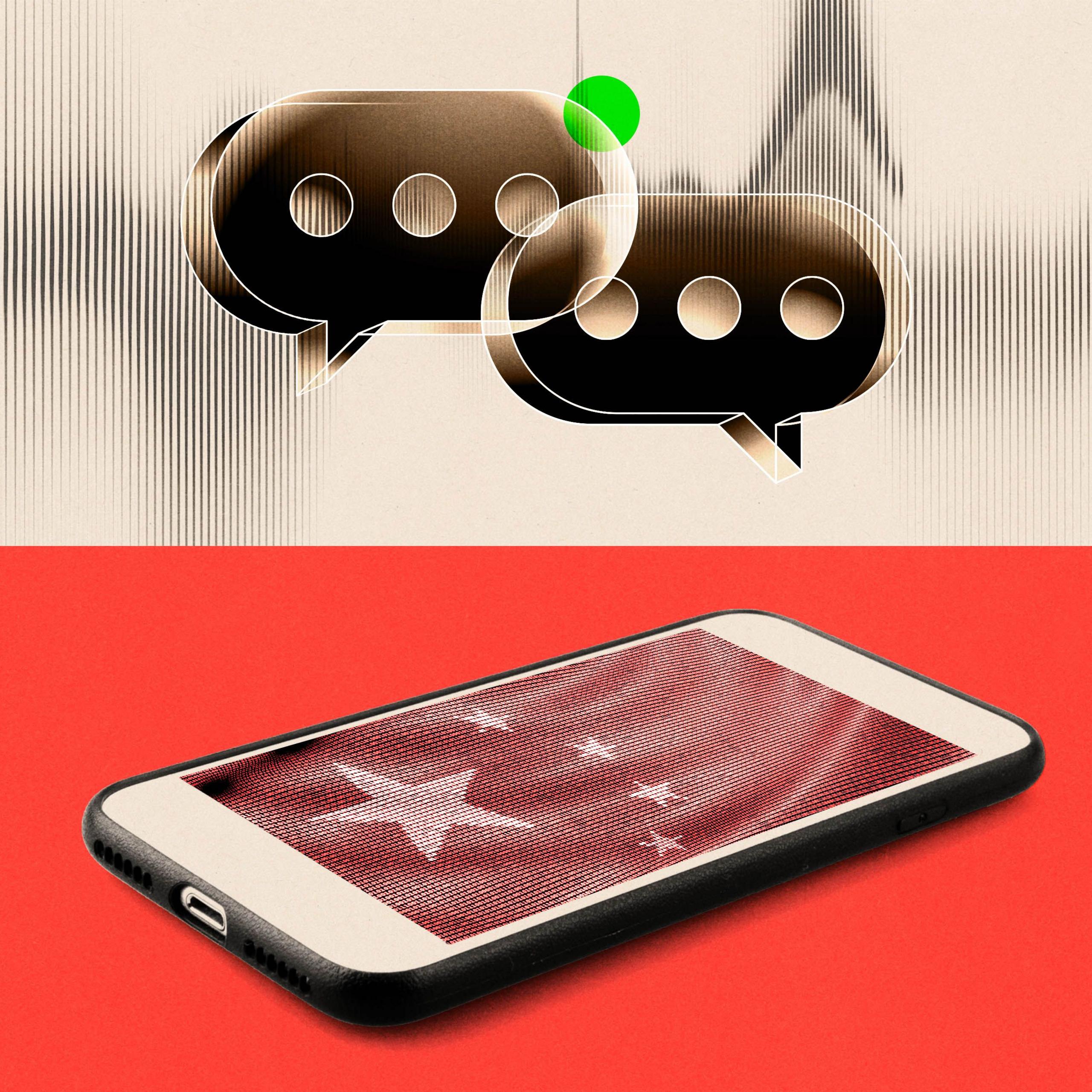
Families across Russia are using generative‑AI tools to produce short clips that recreate deceased soldiers. In these videos the man in uniform is shown hugging family members or ascending a celestial staircase before the screen fades to blue. The content has quickly spread through Instagram and TikTok, where thousands of users request similar videos for their own lost relatives.
The first viral clip came from a popular Russian blogger, Katya Jin. Her 15‑second video portrayed a soldier returning home to his wife and child, a scene that resonated with viewers who had not yet seen anyone in the family lose a member to the conflict. After the BBC first reported the clip, Jin removed it from her accounts, and withdrew her AI‑video service from the country’s social media channels.
Behind the scenes, Alexei Lebede, a creator married to a soldier, says he can earn 150‑200,000 roubles a month – roughly double the average Russian wage – by producing these videos. Prices vary from a few hundred to ten thousand roubles, with quality differences that include mis‑aligned limbs or distorted faces when the AI struggles to interpret the input images.
The practice is part of a wider global “digital afterlife” industry that uses artificial avatars in museums, legal contexts and political campaigns. Katarzyna Nowaczyk‑Basińska of Cambridge’s Leverhulme Centre notes the emotional toll is still unknown and the political framing of the content makes it ethically fraught.
Reactions online are sharply divided. Some mourners claim the videos help them “feel a presence”, while others argue that an illusion cannot substitute for a real goodbye. One Ukrainian user wrote that the videos were an insult to the war’s victims, saying “You should be ashamed to show heroes who killed our children.”
As the war rages on, the use of AI to simulate deceased soldiers keeps growing, offering a new form of mourning that blends technology, memory and propaganda. The long‑term psychological and social impacts remain uncertain, raising questions about how societies choose to remember and why the line between healing and exploitation can become blurred.