Moscow Under Siege: Ukrainian Drone Barrage Raises Questions Over Putin's Strategy
The Russian capital was locked in an unprecedented air battle on Wednesday night as Ukrainian forces launched almost 200 unmanned aerial vehicles at targets across Moscow. Thick smoke columns spiraled from rooftops and mid‑air, a sight rarely seen in the city that is known for its quieting of drone warfare.
By the time air‑defence gunners and interceptors closed in, local authorities reported seventeen people wounded in the bust‑region, a casualty toll that underscores the human cost of the intensified bombardment.
The Department of Defence for the Russian Federation said its radar and missile‑cannon crews had downed close to one thousand drones and four cruise missiles in a 24‑hour period – an operational tempo that marks a new high‑intensity period in the war. The figures also point to Ukraine’s expanding reach and its capacity to strike deep‑within Russian territory.
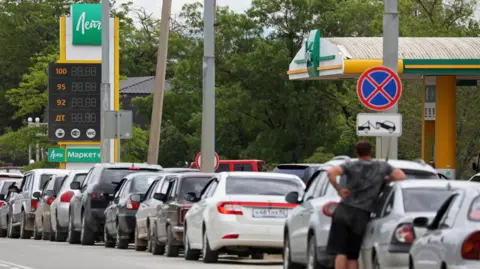
A separate strike demolished an oil depot in the southern Rostov region, killing one person and adding a material blow to Russia’s industrial supply chain. Those casualties corroborate reports that the attacks are not merely symbolic but strategically aimed at crippling logistics.
President Volodymyr Zelenskiy used the phrase “long‑range sanctions” – a term synonymous in Kyiv’s rhetoric for long‑distance strikes – to describe Moscow’s latest assault, sparking a debate over whether the costs of continued escalation will force a shift in Vladimir Putin’s tactics. This question hangs over the overnight battle, as both sides appear to be recalibrating on implications and potential counter‑measures.