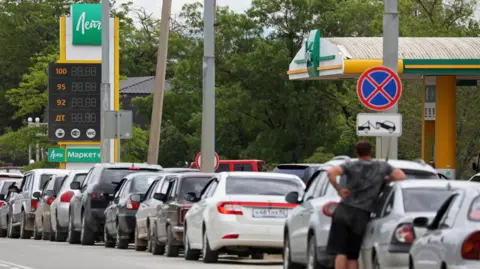
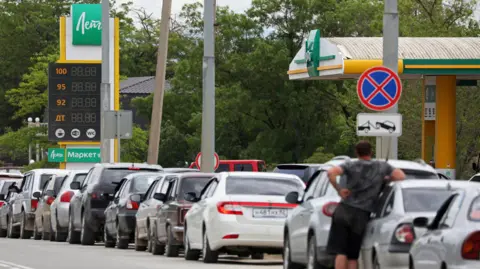
Russian‑backed authorities in Crimea have halted public fuel sales following a series of Ukrainian attacks on the peninsula’s oil and logistics infrastructure. The decision comes as part of broader measures to manage shortages that emerged after Ukrainian drones targeted supply routes within Russian‑occupied territory.
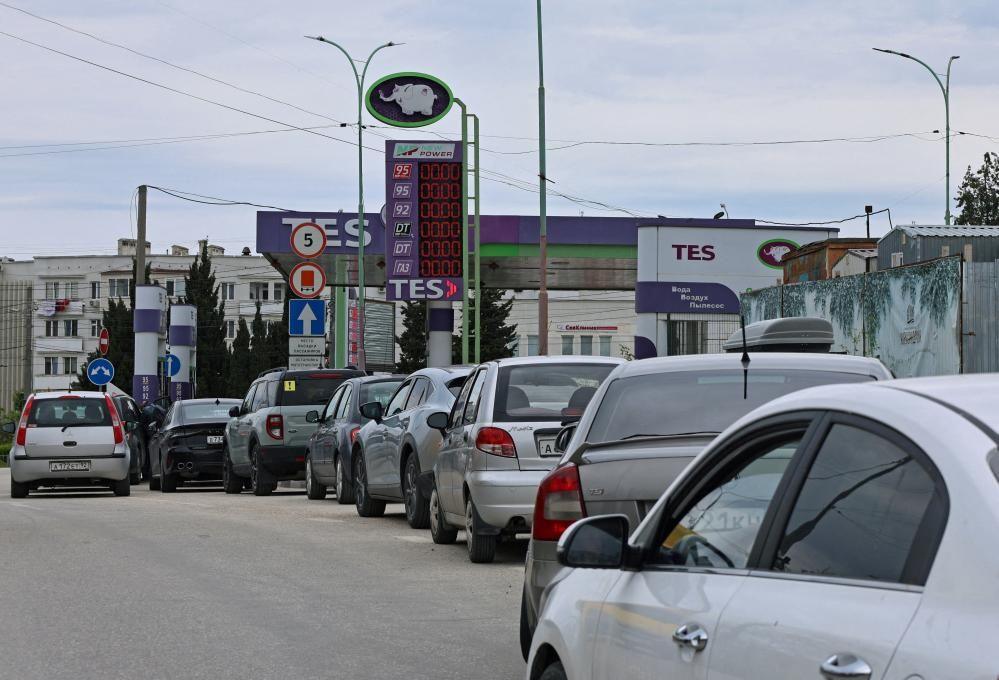
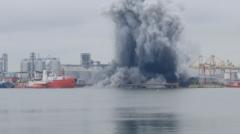
Petrol stations on the peninsula are now only serving government agencies, according to Governor Sergey Aksyonov, who cited the need to keep “functioning and security” at the forefront. Earlier in the week, a drone strike on an oil depot in Kerch killed four people and injured 28, prompting the governor to make the restriction public.
The fuel suspension is the most pronounced restriction yet faced by Crimea, a region that is both a strategic military outpost for Moscow and a popular summer holiday destination for Russians. Reports from local media indicate that many residents are struggling to find gasoline to travel home, while tourists note the inconvenience of limited refuelling options at nearby stations.
Ukraine’s strategy of striking energy infrastructure aims to choke off Russian revenue streams and apply pressure on President Vladimir Putin. By disrupting fuel supplies in Crimea and neighboring Krasnodar, Kyiv hopes to weaken Russia’s war effort and create a morale‑pressure that could push Moscow toward negotiations.
In response to the escalating attacks, Russia’s defence ministry reported that 239 Ukrainian drones were shot down overnight, underscoring the heightened air‑security measures on the peninsula. Despite the increased missile interception, Kyiv officials have continued to target key logistical nodes, stepping up their defence capabilities over the past four years.
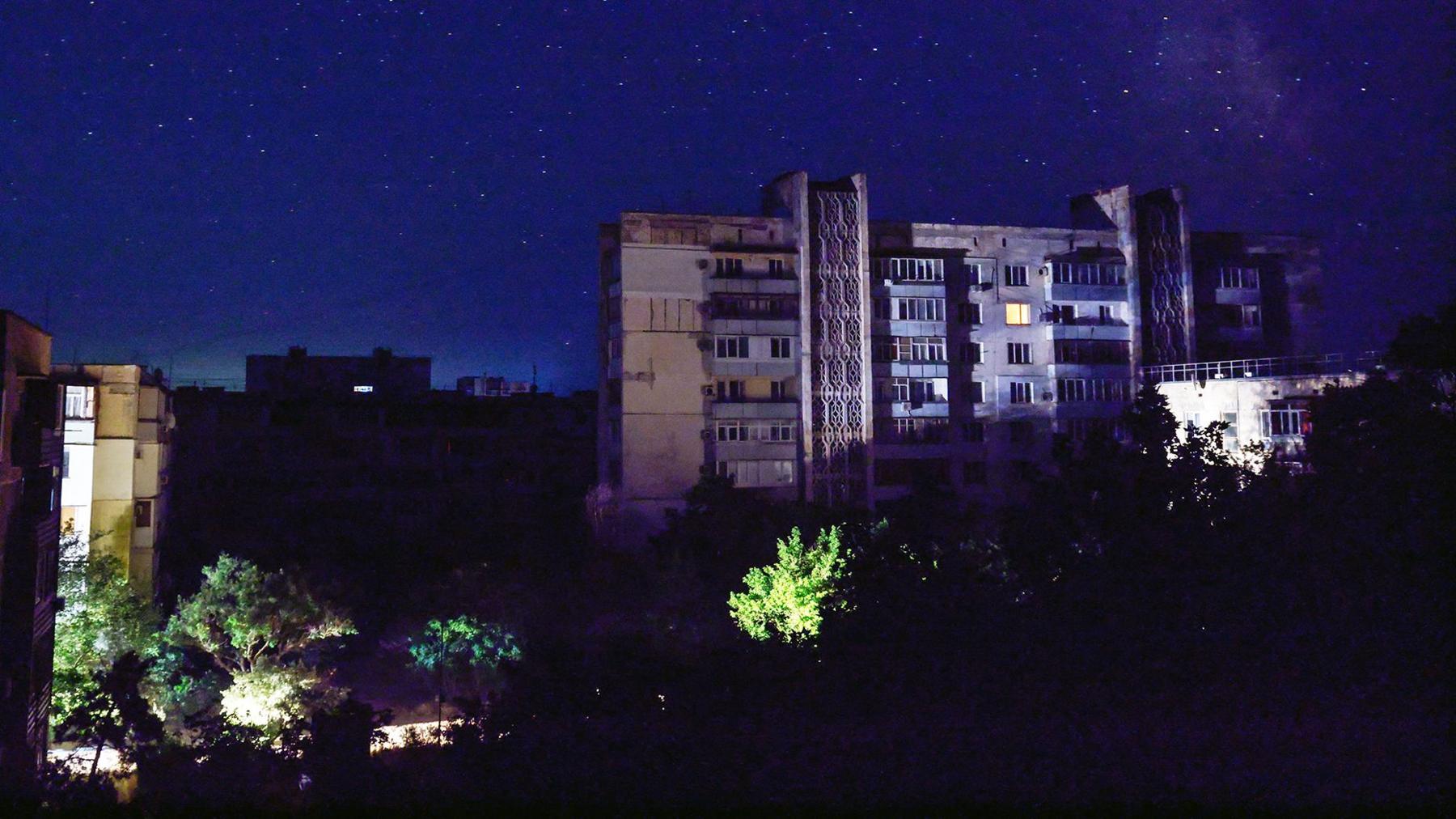
The current fuel restrictions stem from a broader pattern of Russian‑occupied territories facing supply chain bottlenecks. Aksyonov’s statement that further decisions about the fuel market will be announced later suggests that the blockade may tighten in the coming days, exacerbating the hardship for civilians already coping with disrupted utilities.
The ongoing conflict illustrates how the control of energy supplies can be wielded as a weapon in modern warfare. While Ukraine’s offensive seeks to deplete Russia’s resources, the counter‑actions could lead to increased sanctions and harder living conditions for the people living under the occupation.