In brief
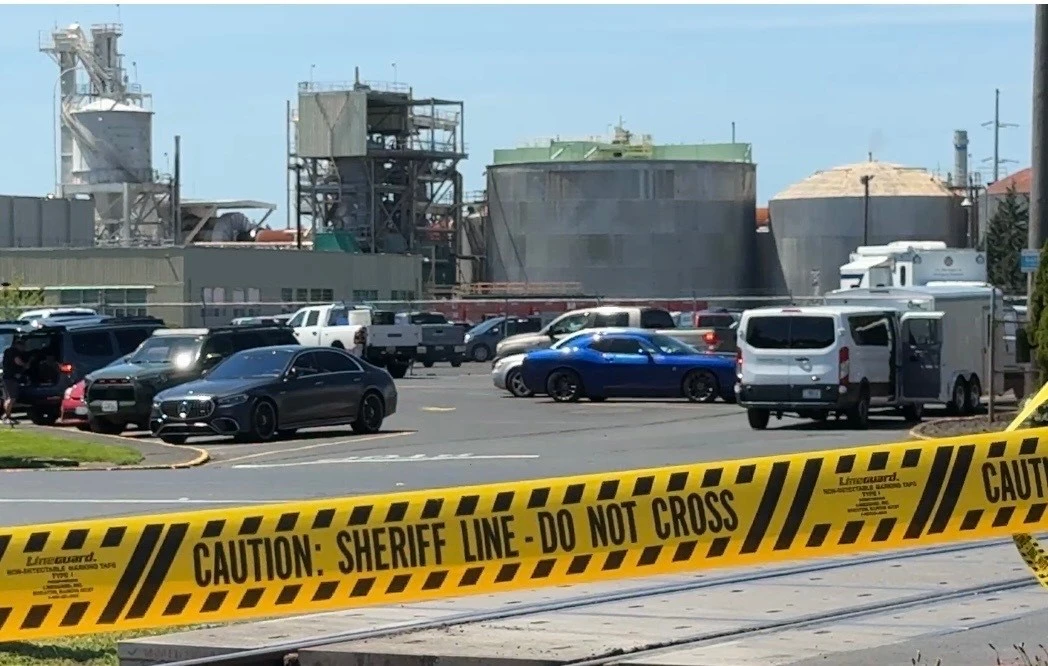
When a 500,000‑gallon tank at Nippon Dynawave’s Longview plant collapsed on Tuesday morning, it unleashed a violent spray of corrosive chemicals that downed trucks, damaged nearby buildings, and claimed 11 lives. For the city, where mill jobs have long been a lifeline, the incident signals not just a tragic loss but a potential blow to its economic backbone.
Longview, Washington – From the quiet windows of Washington State Senator Jeff Wilson, a longtime resident who once oversaw environmental clean‑ups at the local mill, watched the horror unfold. The chemical tank, which had held more than half a million gallons of pulp‑breaking gel, blew apart at Nippon Dynawave Packaging Co. Tuesday early, sending a hot torrent of caustic fluid across the site.Seventeen seconds later, the first sirens cut through the morning calm. By the time emergency crews arrived, they found the tear‑liners of a pickup overturned, roofs sagging under the weight of chemical‑laden debris, and colleagues muted in shock or struck by the lethal spray.“Deaths in a place that’s been home to generations of my friends,” Wilson said. “We see this as a loss not only of life but of the shared identity of a town that grew with these mills.”Nine of the 11 fatalities were cross‑trained workers who had operated the tank for years. Two more died at the scene after being trapped beneath the collapsed metal. The injured, many with chemical burns or exposure to inhaled gases, were transported to local wards for intensive care.The plant itself has produced paper products, tissues, and packaging since 1953, employing roughly a thousand people – roughly a fifth of Longview’s workforce. Industry officials say the incident could threaten long‑term operations, while the plant’s parent company, Tokyo‑based Nippon Paper Group, is evaluating financial impacts.Community leaders, politicians, and residents have rushed to express solidarity. U.S. Rep. Marie Gluesenkamp Perez, whose congressional district includes Longview, held vigils urging workers not to surrender their jobs, emphasizing the cultural and economic scaffolding that the mills provide.Representatives have spoken about the need for rigorous safety reviews. “This is real‑world danger, not a simulation,” said state Rep. Jim Walsh at a news conference. “We must manage risk and protect the people who keep our town alive.”The plant’s exact cause remains unclear: whether malformation of the tank’s welds, a failure in the chemical blend, or an unnoticed human error triggered the implosion. A joint investigation by the U.S. Chemical Safety Board and Washington Industrial Safety Authority has begun.In the days following the disaster, families of the victims, including a veteran foreman and a 21‑year‑old apprentice, grieved their losses while hoping for answers. A grieving sister of a fallen worker recounted tearful attempts to reach her father who had been printed at the mill for decades.While Longview’s downtown historic square and the scenic river continue to attract residents and tourists, the chemical spray left a scar that will take time for the town to heal. Yet the collective resolve stands firm.“People here aren’t just workers; they’re family,” said antiques‑shop volunteer Cindy Stiebritz. “I hope future investigations prevent another tragedy so that the children of this town can grow up watching their parents play their jobs with dignity. We’ll endure. We’re a strong family.”The industrial orientation of Longview has now faced a crossover between tradition and safety, and the community will be watching the outcome of this incident closely. The decision by authorities about whether the plant can keep its mantle or needs to transform is left to an almost‑sudden outcome of the investigation.As the nation ranks the incident among the deadliest U.S. workplace accidents of recent years, the focus now shifts to accountability, to better safety protocols, and most critically, the way forward for a town whose industries have historically defined its identity and sustenance.