In brief
• A corrosive‑chemical tank at a Longview paper mill ruptured, killing two people and leaving several others missing.\n• A separate overheated tank in Garden Grove caused the evacuation of ~50,000 residents.\n• Experts say that chemical tanks are usually safe, but failures happen if tanks are neglected after ten years or if calcium‑rich substances are stored.\n• Federal, state, and local regulators share responsibility for inspections, safety‑data‑sheet requirements, and emergency response protocols.\n• Public health safeguards for exposure limits outside the workplace remain unclear, raising concerns about community protection.
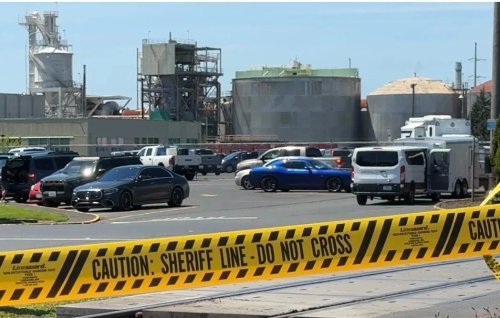
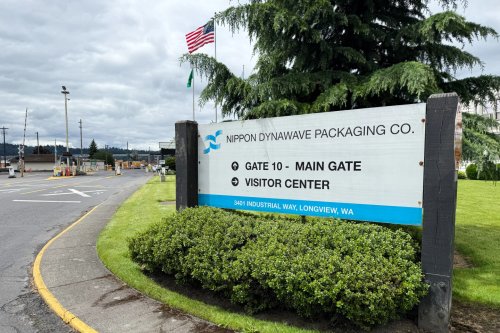
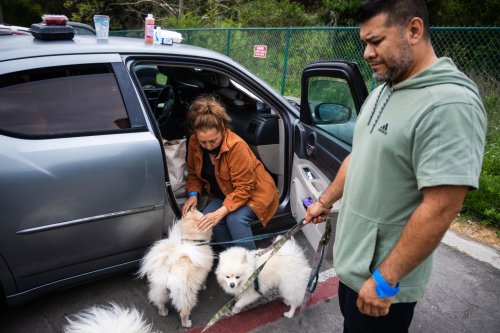
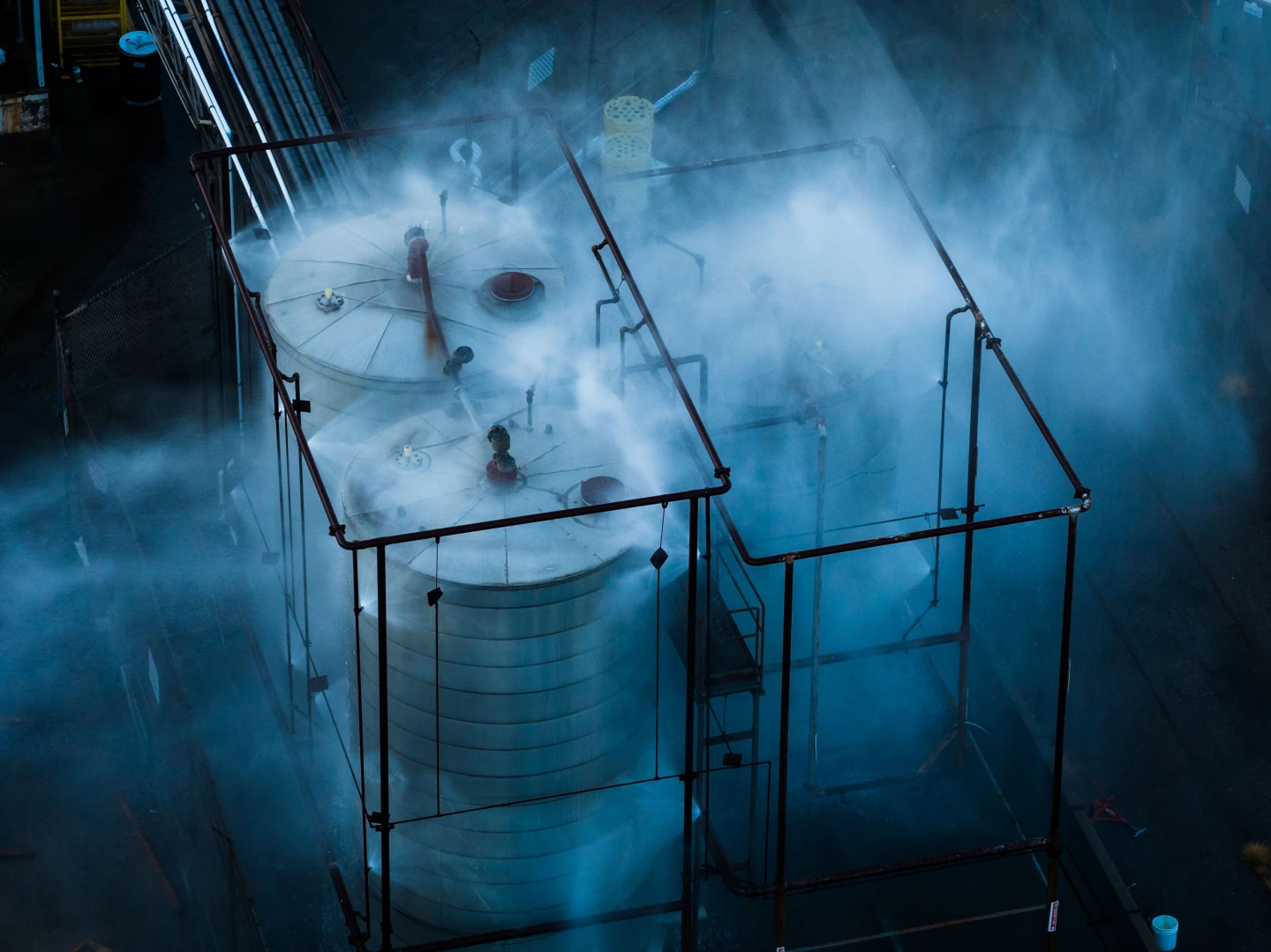
[ "In the span of a week, two high‑profile chemical tank incidents on the West Coast turned into emergencies that drew nationwide attention. On Tuesday, a tank at a Longview, Washington paper mill burst, releasing a corrosive white‑liquor that killed two workers and left nine others missing or injured. A week earlier, a roughly 15‑foot high tank in Garden Grove, California overheated and threatened a catastrophic explosion, prompting the evacuation of about 50,000 residents.Millions of tanks line our industrial landscape, and statistically they fail less than once in a million a year when maintenance is rigorous, said Dr. Stephen Kmiotek, a chemical engineering professor at Worcester Polytechnic Institute. But the stakes are elevated when the chemicals are highly caustic and the infrastructure—especially valves—has aged past a decade.Analysts note several recurring themes. First, importation and storage of volatile substances—especially white liquors and other caustic reagents—require far more frequent valve replacement and active condition‑monitoring. Second, even robust design standards, such as the U.S. Chemical Safety Board’s Process Safety Management protocols, can be bypassed if local inspections are infrequent or if agencies are understaffed. Washington state, for instance, has a mismatch between the number of licensed chemical sites and the single‑state inspection workforce.Federal oversight measures include mandatory safety‑data sheets and Right‑to‑Know provisions that grant emergency services access to chemical inventories. The Occupational Safety and Health Administration’s Process Safety Management framework mandates thorough inspections, permission systems, and emergency‑response plans for facilities dealing with high‑risk substances. Yet whether the Longview paper mill met all applicable protocols for its unique storage conditions remains under review.Public health officials, such as Stephen Lester of the Center for Health, Environment & Justice, raise alarms about the lack of universal exposure thresholds. “Existing standards are predominantly workplace‑based, and they don’t account for children, the elderly, or immunocompromised populations exposed during a spill or explosion,” Lester said. He urged the creation of science‑backed exposure guidelines for community protection.In both matters, the U.S. Environmental Protection Agency and the U.S. Chemical Safety Board conducted initial investigations, while state agencies—Washington’s Department of Labor and Industries and California’s Division of Occupational Safety and Health—undertook oversight responsibilities. Local fire marshals and hazardous‑materials teams coordinated emergency responses and rapid risk mitigation. The incidents underscore how layered regulatory frameworks, when left uncoordinated, can leave gaps for public safety.The next days will feature further analyses of the failures, including the exact age of the Longview tank and the status of valve replacements in Garden Grove’s facility. Whatever the findings, the urgency is clear: diligent, routine inspections and age‑appropriate maintenance are essential when the stakes involve life‑threatening chemical inventories that threaten both workers and surrounding communities." ]