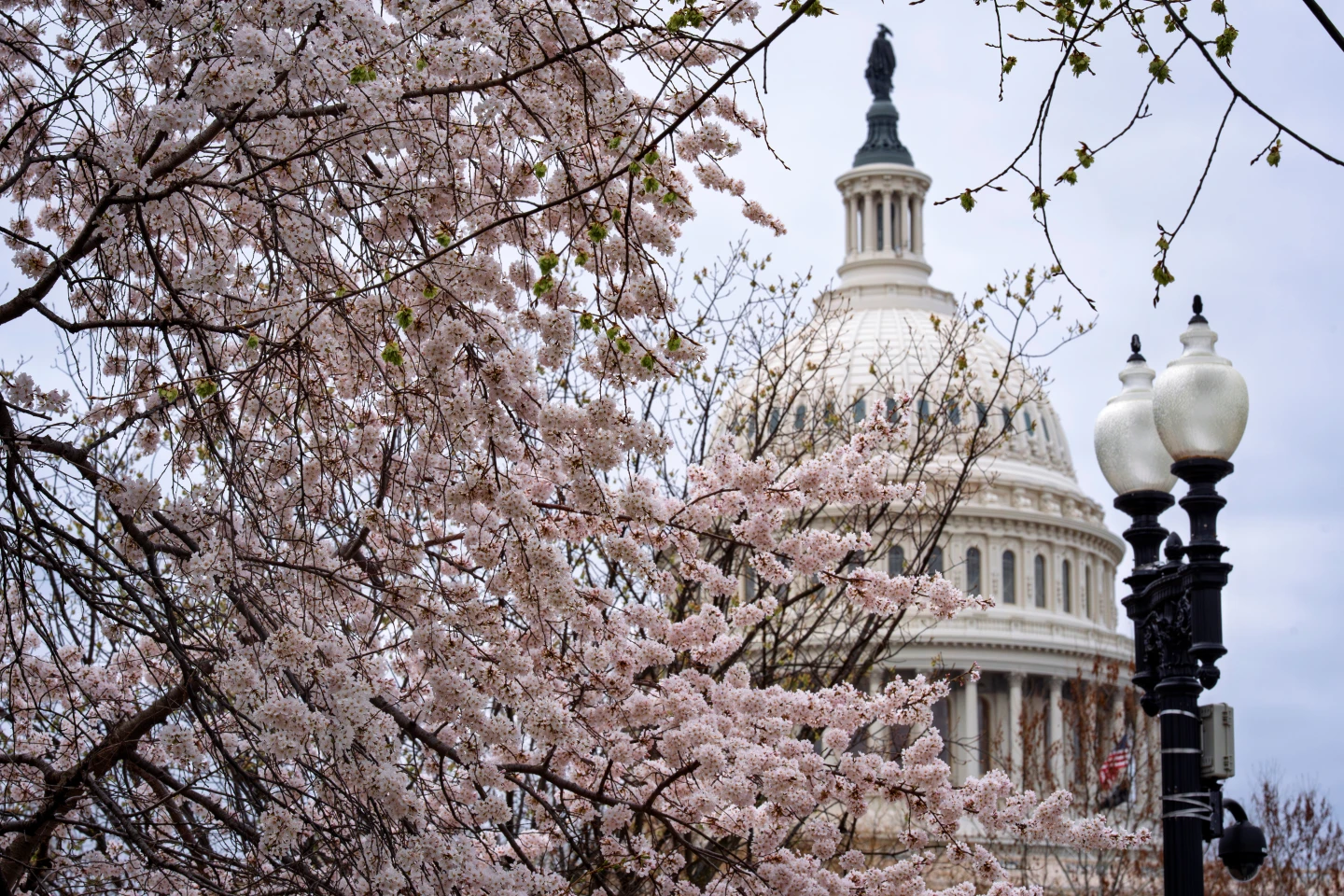
The federal government is on the brink of a partial shutdown, prompting various agencies to outline their plans for maintaining essential services amid anticipated disruptions.
Despite potential furloughs and layoffs, some government functions will continue, while others will face significant challenges. Here’s a closer look at the key impacts across federal services.
Homeland Security: A Mixed Bag
The Department of Homeland Security anticipates most of its personnel will remain on duty, particularly those associated with law enforcement and operations funded by user fees. Approximately 14,000 employees may face furloughs, but major enforcement activities, including immigration enforcement, will proceed as normal.
Health Services and Medicare
Medicare and Medicaid will maintain operations without interruption; however, delays are likely in certain services. Essential funding for the Children’s Health Insurance Program (CHIP) will also continue. Nevertheless, staffing shortages may impede timely service delivery.
FEMA Fallout: Mortgage Delays
While FEMA’s core disaster relief functions will remain intact, new mortgage approvals that depend on flood insurance could be delayed due to a suspension of policy writing under the National Flood Insurance Program.
Crisis in Air Traffic Control
Air traffic controllers are deemed essential, yet their compensation during a shutdown may be on hold, adding to existing stress in a job already marked by high demands. Worse, training programs for new controllers could be halted, worsening the existing shortage.
CDC Furloughs and Research Halts
A majority of the CDC workforce will be furloughed, affecting crucial health research and public communication efforts. While essential personnel will remain to monitor outbreaks, the agency’s capacity to respond to new health threats will be significantly limited.
NIH Research Impeded
Research and patient care at the NIH will experience profound disruptions, with approximately three-quarters of staff furloughed. Enrollment in clinical trials will be restricted, stunting advancements that depend on NIH’s funding.
Continued Functions at the FDA
Most vital FDA operations, including product recalls and managing public health threats, will proceed. However, longer-term safety initiatives and inspections will be put on hold.
Environmental Protection Agency (EPA) Activities
While significant agency activities by the EPA are expected to continue, a substantial portion of the workforce will face furloughs, altering the agency's ability to carry out its environmental protection mandates.
As the deadline approaches, it remains crucial for Congress to reach a consensus to avoid severe ramifications for the government and American citizens alike.