The Federal Emergency Management Agency (FEMA) is prepared for the ongoing crisis of a large winter storm affecting many areas of the U.S., having approximately $7 billion to $8 billion available in its Disaster Relief Fund. This funding should allow for effective disaster responses even if a partial government shutdown occurs, contrary to warnings from Trump administration officials.
Experts, including Sarah Labowitz from the Carnegie Endowment for International Peace, contend that the available resources are sufficient for short-term recovery efforts from the storm. They have enough money for winter storm recovery and anything else likely to come up in the next few weeks, said Labowitz.
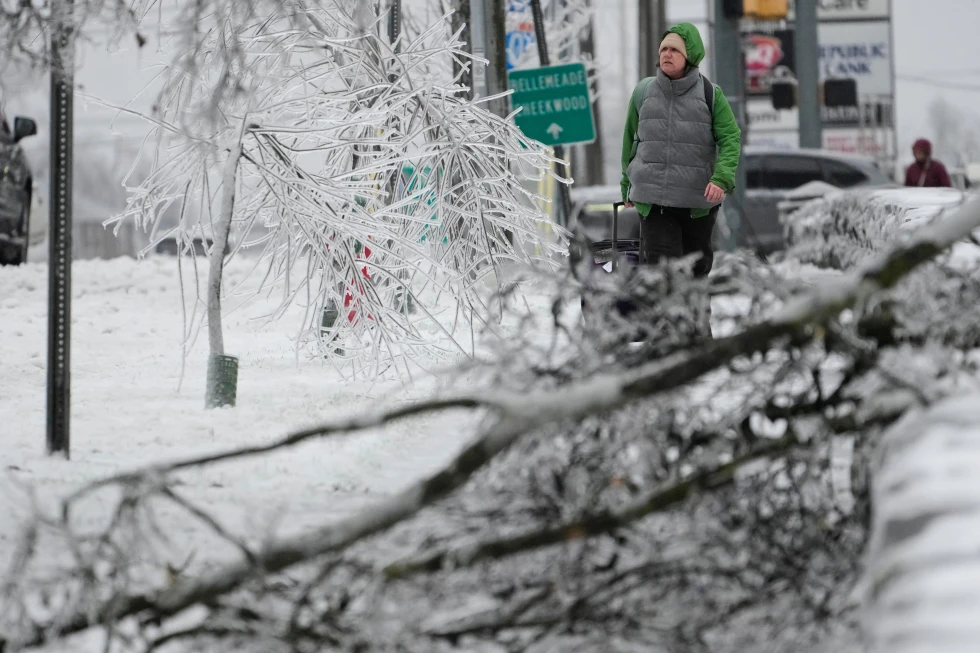
FEMA, which operates under the Department of Homeland Security, is actively responding to the impacts of a significant winter storm that has left hundreds of thousands without power and resulted in at least 70 fatalities. President Trump has declared emergencies in 12 states, enabling federal aid for debris removal and emergency measures.
Former FEMA Chief of Staff Michael Coen noted that the agency's capacity at this time is adequate for local communities and states to handle the situation without excessive stress. With federal aid pre-positioned in states like Louisiana and Texas, efforts to manage the crisis are underway to assist in clearing roads and restoring power.
While FEMA's current funding appears secure, concerns surround the potential implications of a government shutdown on various operations. Programs that are not funded by the Disaster Relief Fund could face interruptions. For example, the inability to renew National Flood Insurance Program policies could pose challenges, reminiscent of the significant disruptions seen during the previous government shutdown, which lasted 43 days.
Trump officials have increasingly leaned on FEMA's significance to avoid shutdown negotiations, emphasizing the critical role the agency plays in disaster management. However, many question the administration's consistent support for FEMA, noting actions over the past year that have weakened the agency's operational effectiveness.
In conclusion, while the immediate future of FEMA’s operations appears stable despite imminent funding uncertainties, long-term implications of political tensions remain a concern, especially as the nation enters more vulnerable seasons for disasters.