Luis Martinez was on his way to work on a frigid Minneapolis morning when federal agents suddenly boxed him in, forcing the SUV he was driving to a dead stop in the middle of the street.
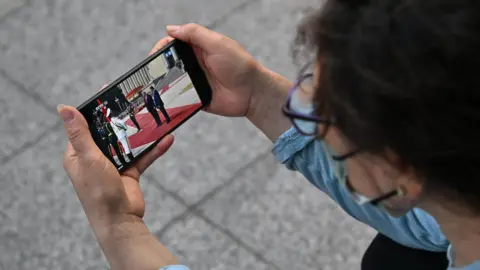
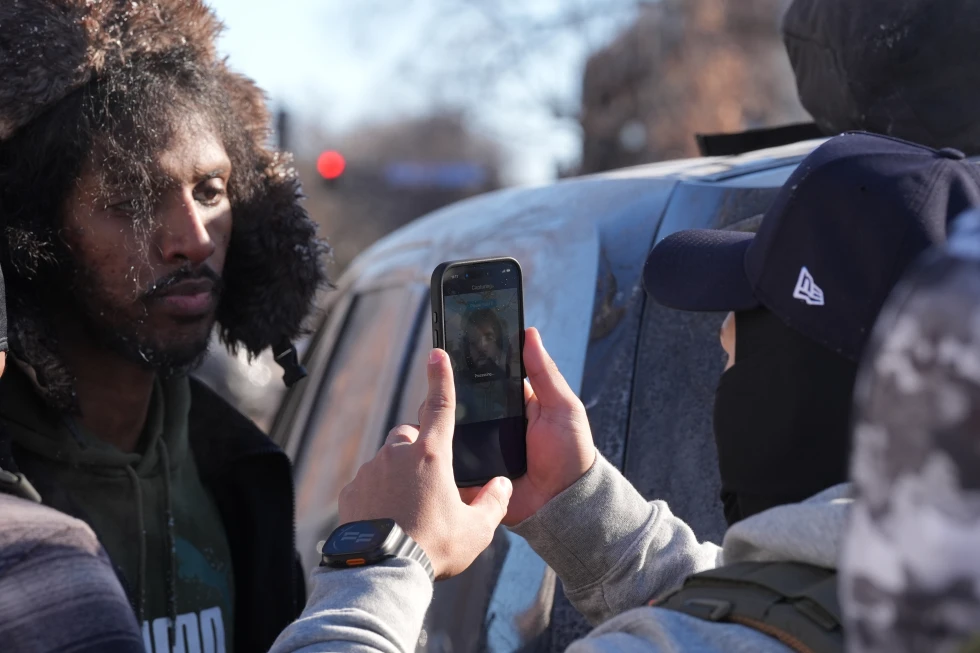
Masked agents rapped on the window, demanding Martinez produce his ID. Then one held his cellphone inches from Martinez’s face and scanned his features, capturing the shape of his eyes, the curves of his lips, the exact quadrants of his cheeks.
All the while, the agent kept asking: Are you a U.S. citizen?
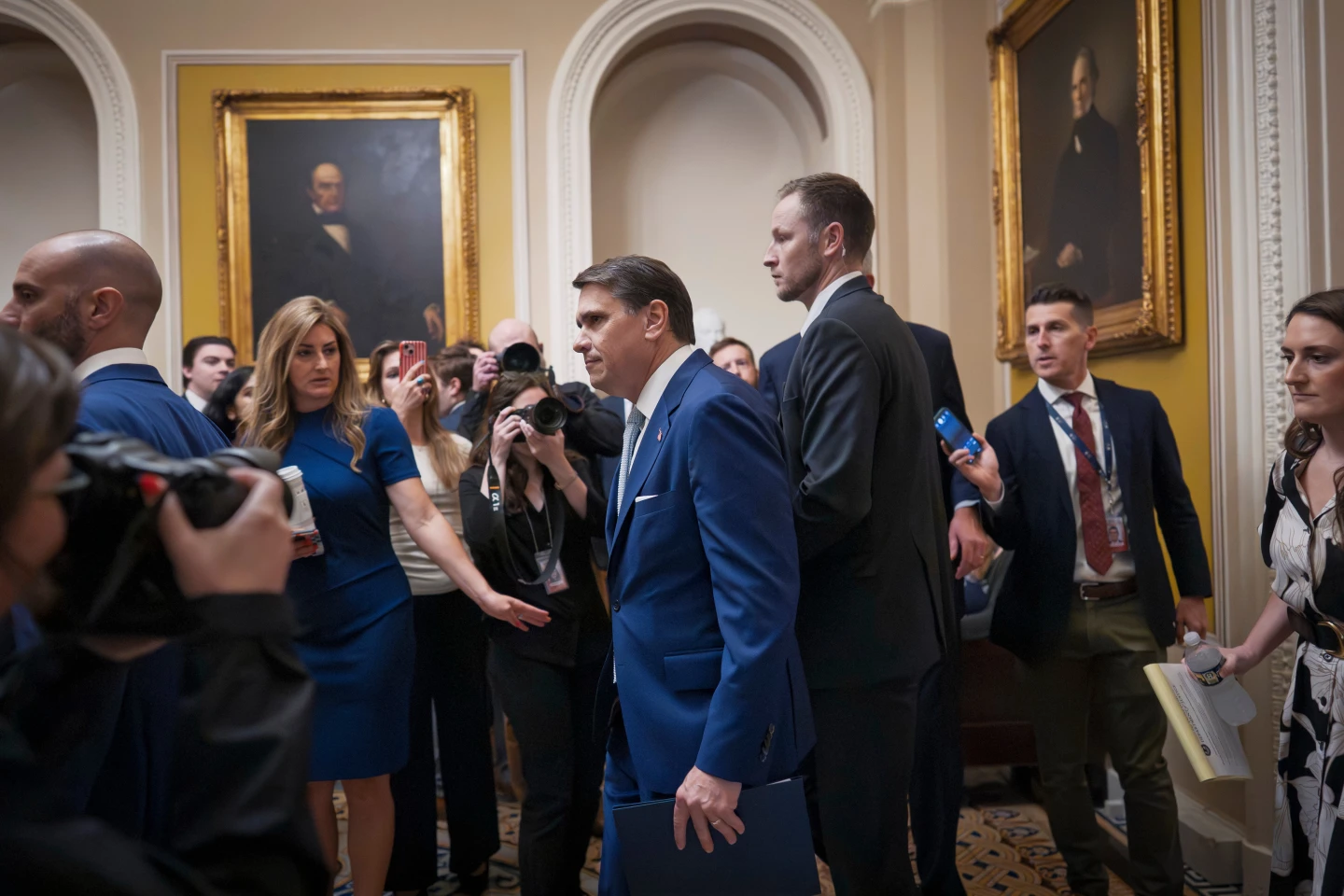
The encounter in a Minneapolis suburb this week highlights the tactics employed in the Trump administration’s immigration crackdown in Minnesota, described as the largest of its kind and drawing national scrutiny following federal agents shooting and killing two U.S. citizens this month.
Officials suggest that enforcement efforts targeted serious offenders. However, photographs, videos, and internal documents reveal a heavy reliance on biometric surveillance and vast, interconnected databases, indicating that a sprawling digital surveillance apparatus is central to the immigration efforts.
Civil liberties experts warn that the expanding use of surveillance systems risks encompassing both citizens and noncitizens alike, typically with little oversight.
Over the past year, Homeland Security and other federal agencies have significantly increased their capacity to collect, share, and analyze personal data through agreements with local, state, federal, and international agencies, as well as contracts with tech firms and data brokers. The databases include immigration records, travel data, and facial images drawn from vehicle databases.
In Martinez’s case, the facial recognition scan failed to match, and he was released only after showing his U.S. passport, which he had carried fearing such encounters. “I had told people Minnesota was a paradise for everyone, but now people are leaving because it’s terrifying and unsafe,” he said.
Federal authorities can monitor American cities comprehensively, employing facial recognition to identify individuals on the street, tracking movements through license-plate readers, and utilizing commercially available phone-location data to reconstruct daily routines. When questioned about surveillance expansion, DHS declined to disclose law enforcement sensitive methods.
“Using technology in investigations helps arrest criminals while preserving privacy rights,” they asserted.
Dan Herman, a former Customs and Border Protection senior adviser, expressed that access to extensive data systems poses threats to privacy rights and civil liberties due to inadequate checks. Concerns about potential misuse of data are on the rise.
DHS recently disclosed its use of the Mobile Fortify facial recognition app to verify identities through scans, a practice lacking in captured consent from the scanned individuals.
Despite the promise of the technology, the rise of serious concerns regarding accuracy, oversight, and transparency continues to shadow the deployment of surveillance tools in the immigration crackdown.