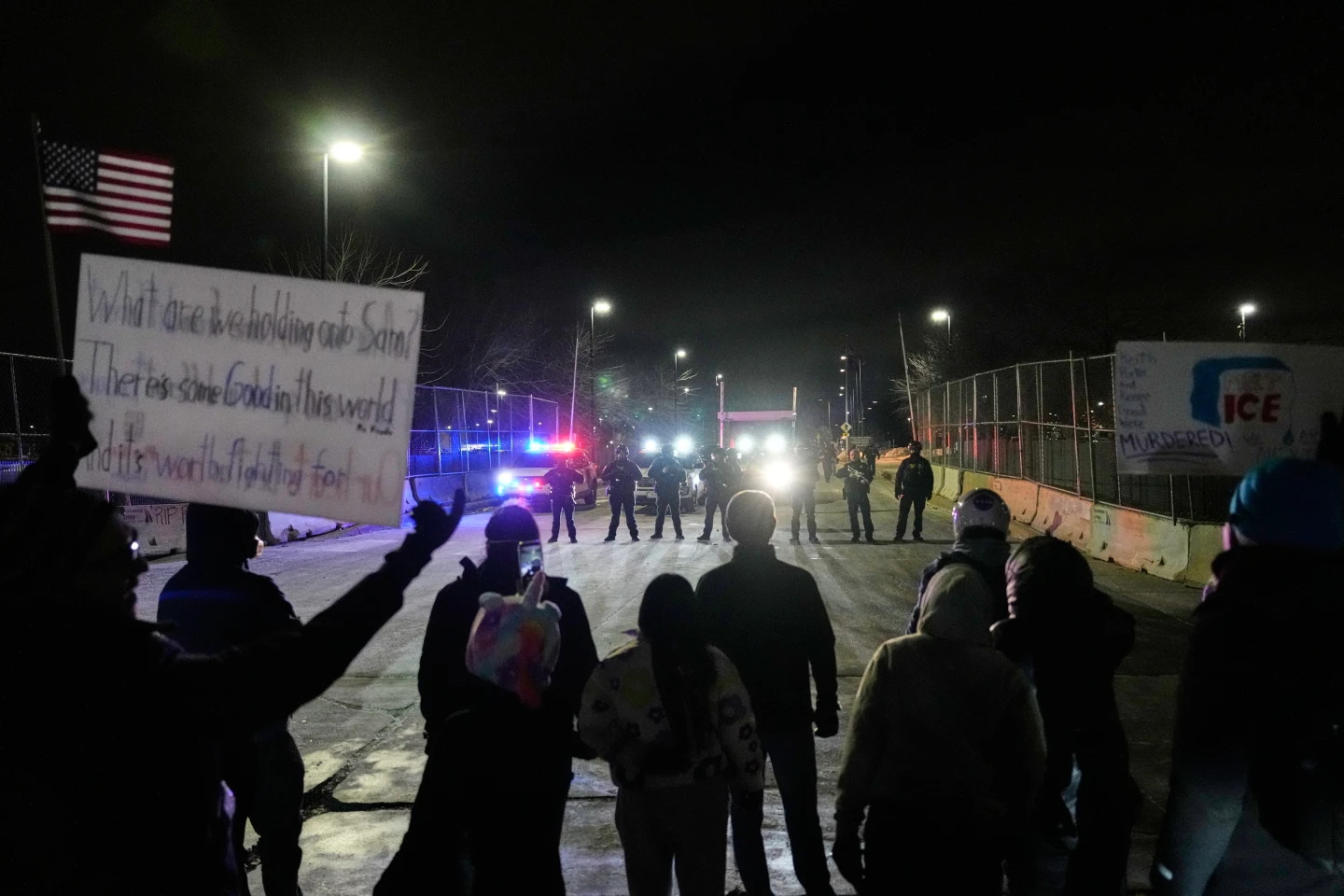
WASHINGTON (AP) — Democratic senators are narrowing a list of demands for changes to U.S. Immigration and Customs Enforcement (ICE), with a partial government shutdown looming by week’s end. The drive is partly in response to the recent deaths of two individuals at the hands of federal agents in Minneapolis, prompting heightened frustration among lawmakers.
Senate Minority Leader Chuck Schumer has not yet detailed the exact changes he and his colleagues intend to propose before the critical Thursday vote on funding legislation for the Department of Homeland Security (DHS) and other federal agencies. Democrats are slated to meet Wednesday to deliberate potential demands that could help unify the caucus and respond to the public’s anger over the recent violence.
Some of the proposed changes include requiring warrants for immigration arrests, demanding that federal agents identify themselves prior to making arrests, and eliminating arrest quotas. Additionally, Democrats seek to provide oversight by mandating that DHS cooperate with state and local authorities during investigations into such incidents.
As Sen. Chris Murphy (D-Conn.) noted, these recommendations do not necessitate new comprehensive laws but rather straightforward changes aimed at ensuring accountability in immigration enforcement. “None of this is revolutionary,” he asserted, indicating a strong desire to unite the Democratic caucus while addressing broader public concerns.
While the GOP awaits a formal outline of the Democrats' demands, tensions are clear. Republicans have indicated that changes to the spending plans need to be approved by the House, where any modifications may face significant opposition.
The urgency of the situation is palpable, with many in the Democratic caucus recognizing an ethical imperative to act decisively. Schumer expressed the necessity of reform, stating, This madness, this terror must stop, as discussions continue to unfold in the Senate, emphasizing that the public’s trust in the administration’s commitments is eroded and changes must be enacted through legislative channels.
With little indication of negotiations taking a productive turn, a government shutdown is looking more likely as the deadline approaches. Both parties remain at an impasse, with the potential fallout looming large over both political and financial landscapes.