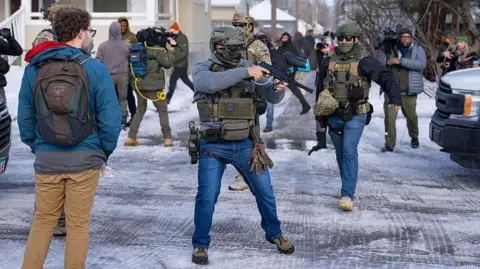
A federal judge on Saturday denied a state government request to block the Trump administration's deployment of thousands of federal immigration agents in Minneapolis, Minnesota. In her ruling, District Court Judge Katherine Menendez stated that the immigration enforcement operation has had, and will likely continue to have, profound and even heartbreaking, consequences on the State of Minnesota. However, she indicated that state officials had not proven the surge of US Immigration and Customs Enforcement (ICE) agents in Minneapolis was unlawful.
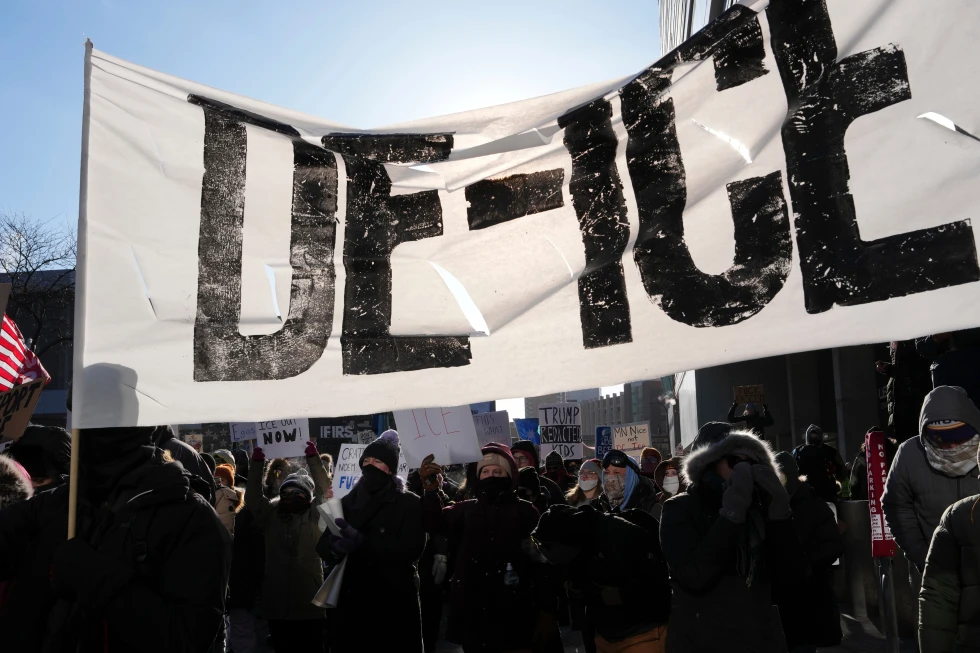
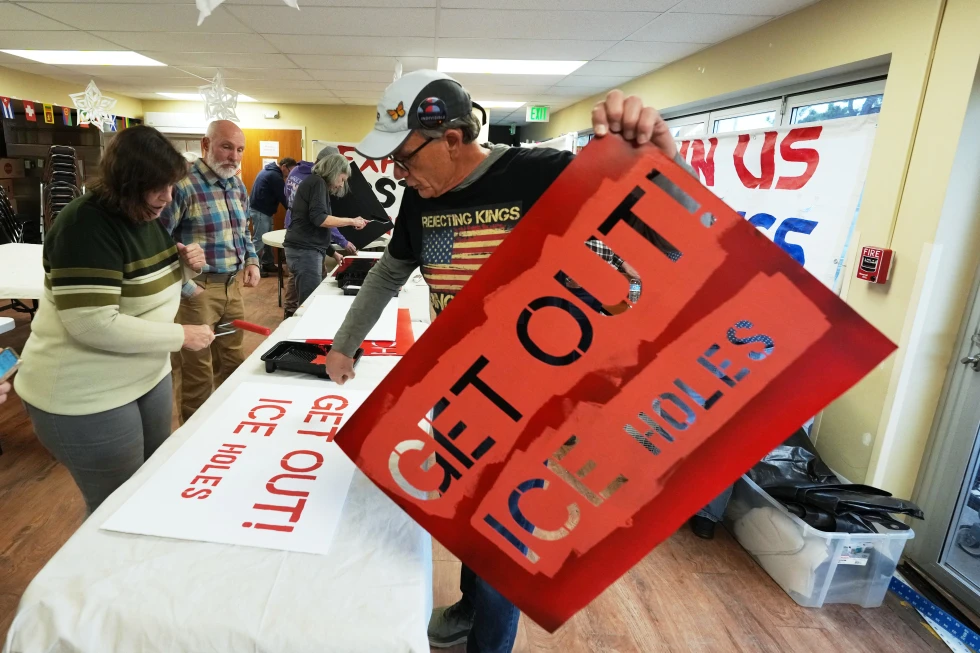
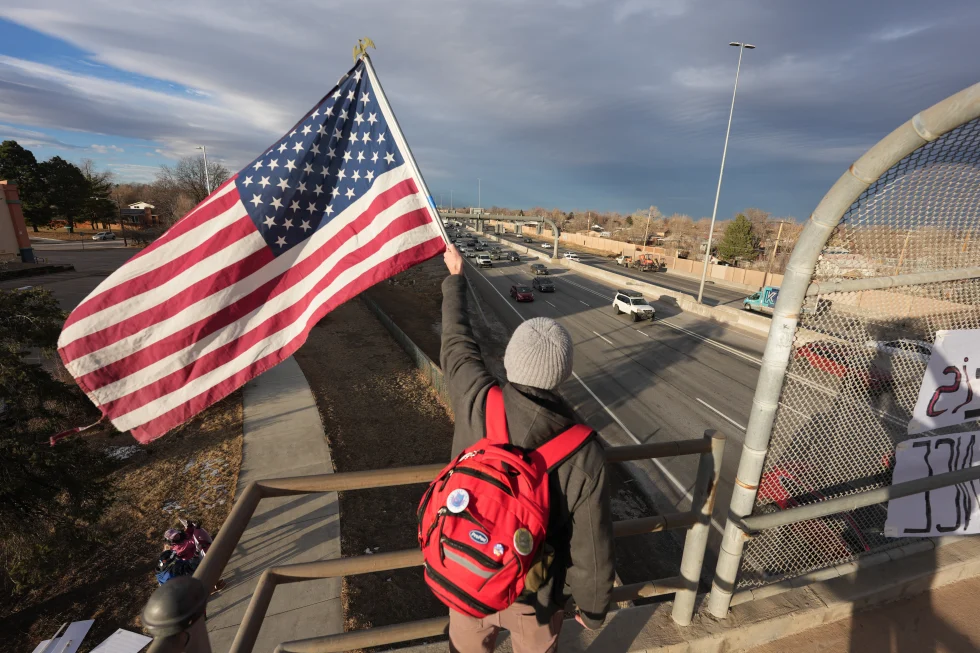
In the wake of the ruling, thousands across the nation have protested the actions of federal agents, particularly following the fatal shootings of two US citizens, Renee Good and Alex Pretti, by ICE officials. Demonstrators are expected to rally in Minneapolis, with similar protests having occurred in major cities like New York, Los Angeles, and Chicago. Organizers emphasize the urgency to oppose these actions and are advocating for a nationwide shutdown urging citizens to refrain from work and school.
The cases of Good and Pretti, and the ongoing criticism of ICE's operations, have drawn attention and condemnation from lawmakers on both sides of the aisle. Earlier this week, the US Justice Department began a civil rights investigation into Pretti's death, which has incited public outcry over ICE's actions in the state. Judge Menendez highlighted concerns about racial profiling and excessive use of force by federal agents, saying that although evidence exists, state officials did not provide sufficient metrics to determine when lawful enforcement becomes unlawful commandeering.
As ICE's Operation Metro Surge continues in Minnesota, Governor Tim Walz and Minneapolis Mayor Jacob Frey have also called for federal agents to withdraw. Meanwhile, Trump administration officials insist they will maintain their efforts to restore public safety by targeting the worst of the worst criminal illegal aliens. However, critics argue that innocent individuals, including migrants with clean records, are being negatively impacted by these operations.
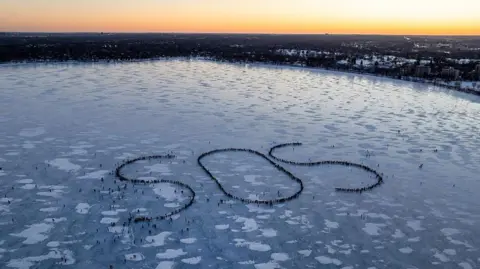
With widespread protests planned, including symbolic actions like forming SOS on frozen lakes, the debate surrounding ICE's presence in Minnesota is set to intensify. The public's reaction is fueled by the deaths and the ongoing narrative of larger systemic issues within federal immigration enforcement policy.
In the wake of the ruling, thousands across the nation have protested the actions of federal agents, particularly following the fatal shootings of two US citizens, Renee Good and Alex Pretti, by ICE officials. Demonstrators are expected to rally in Minneapolis, with similar protests having occurred in major cities like New York, Los Angeles, and Chicago. Organizers emphasize the urgency to oppose these actions and are advocating for a nationwide shutdown urging citizens to refrain from work and school.
The cases of Good and Pretti, and the ongoing criticism of ICE's operations, have drawn attention and condemnation from lawmakers on both sides of the aisle. Earlier this week, the US Justice Department began a civil rights investigation into Pretti's death, which has incited public outcry over ICE's actions in the state. Judge Menendez highlighted concerns about racial profiling and excessive use of force by federal agents, saying that although evidence exists, state officials did not provide sufficient metrics to determine when lawful enforcement becomes unlawful commandeering.
As ICE's Operation Metro Surge continues in Minnesota, Governor Tim Walz and Minneapolis Mayor Jacob Frey have also called for federal agents to withdraw. Meanwhile, Trump administration officials insist they will maintain their efforts to restore public safety by targeting the worst of the worst criminal illegal aliens. However, critics argue that innocent individuals, including migrants with clean records, are being negatively impacted by these operations.
With widespread protests planned, including symbolic actions like forming SOS on frozen lakes, the debate surrounding ICE's presence in Minnesota is set to intensify. The public's reaction is fueled by the deaths and the ongoing narrative of larger systemic issues within federal immigration enforcement policy.