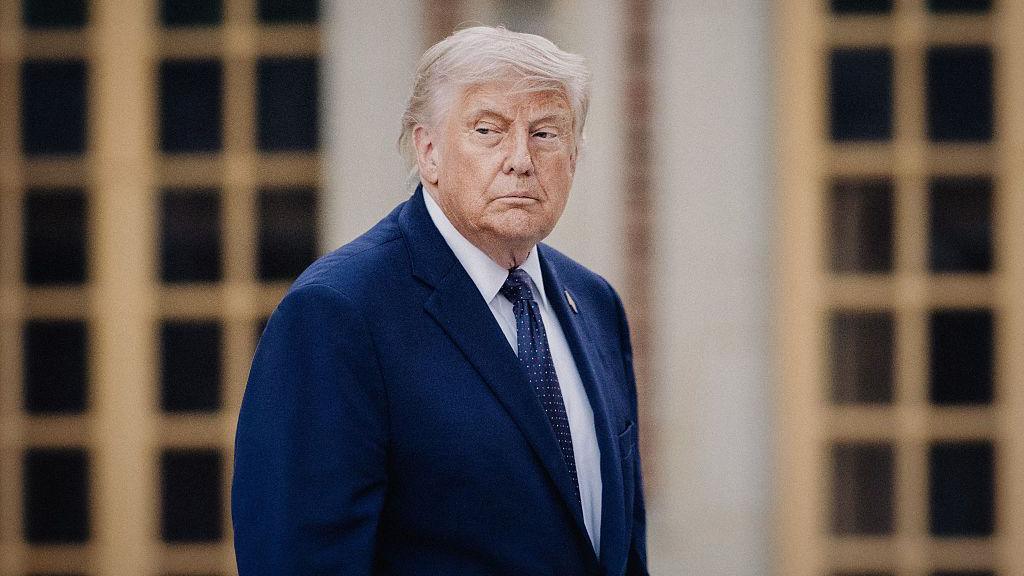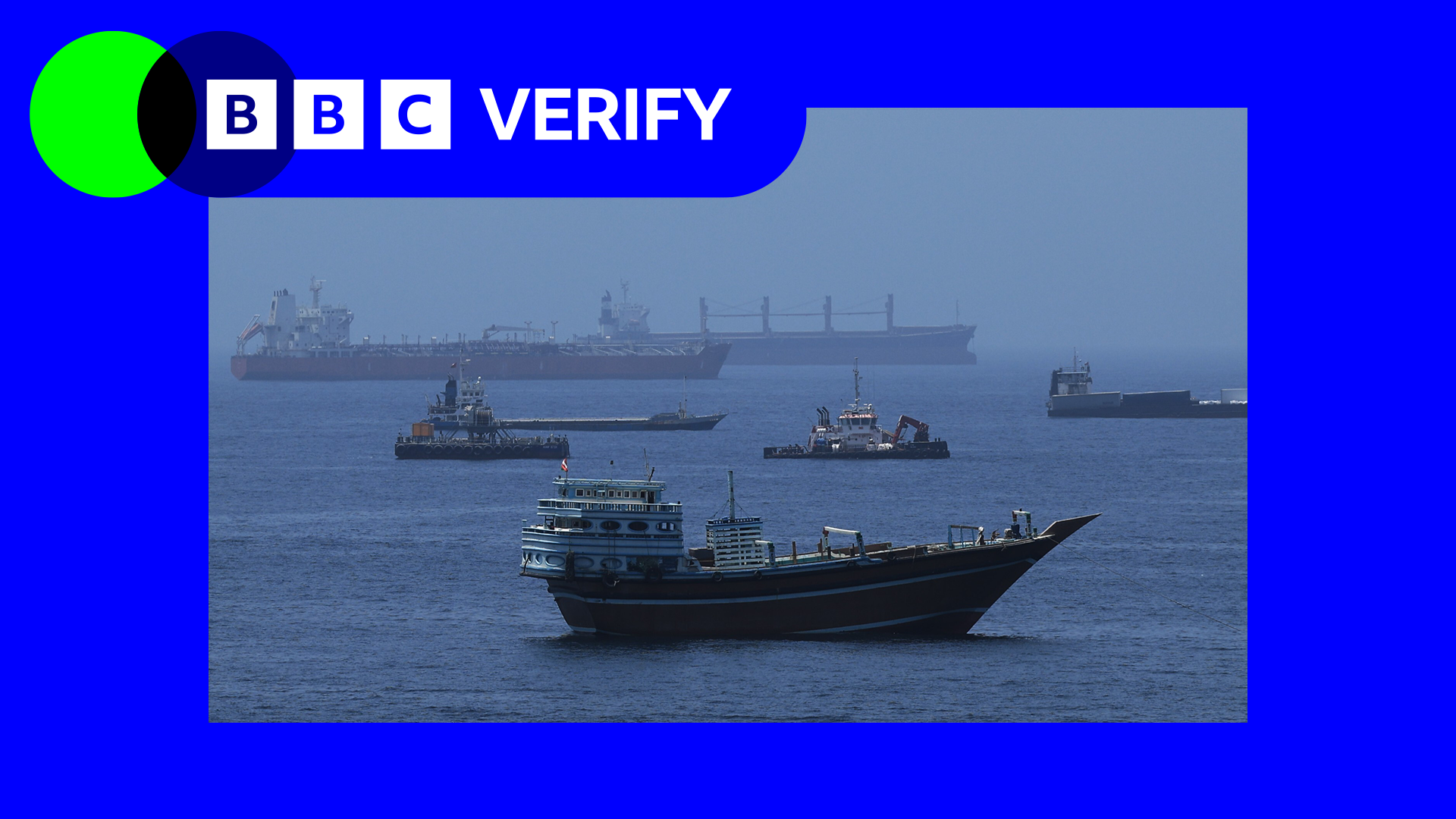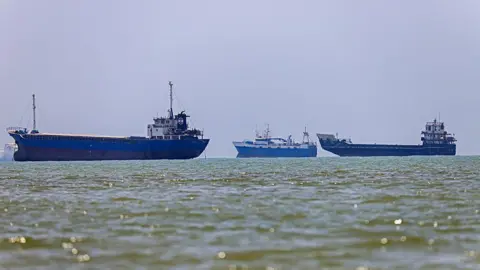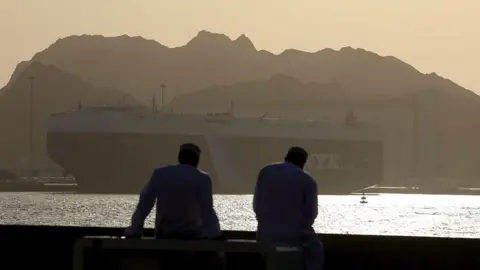
On Wednesday, U.S. and Iran announced a memorandum of understanding that reopened vital shipping lanes in the Strait of Hormuz and outlined a 60‑day framework for negotiating a comprehensive peace treaty. President Donald Trump hailed the announcement as a major win at the G7 summit, but officials later revealed that the agreement is largely a starting point with many critical questions left unresolved.
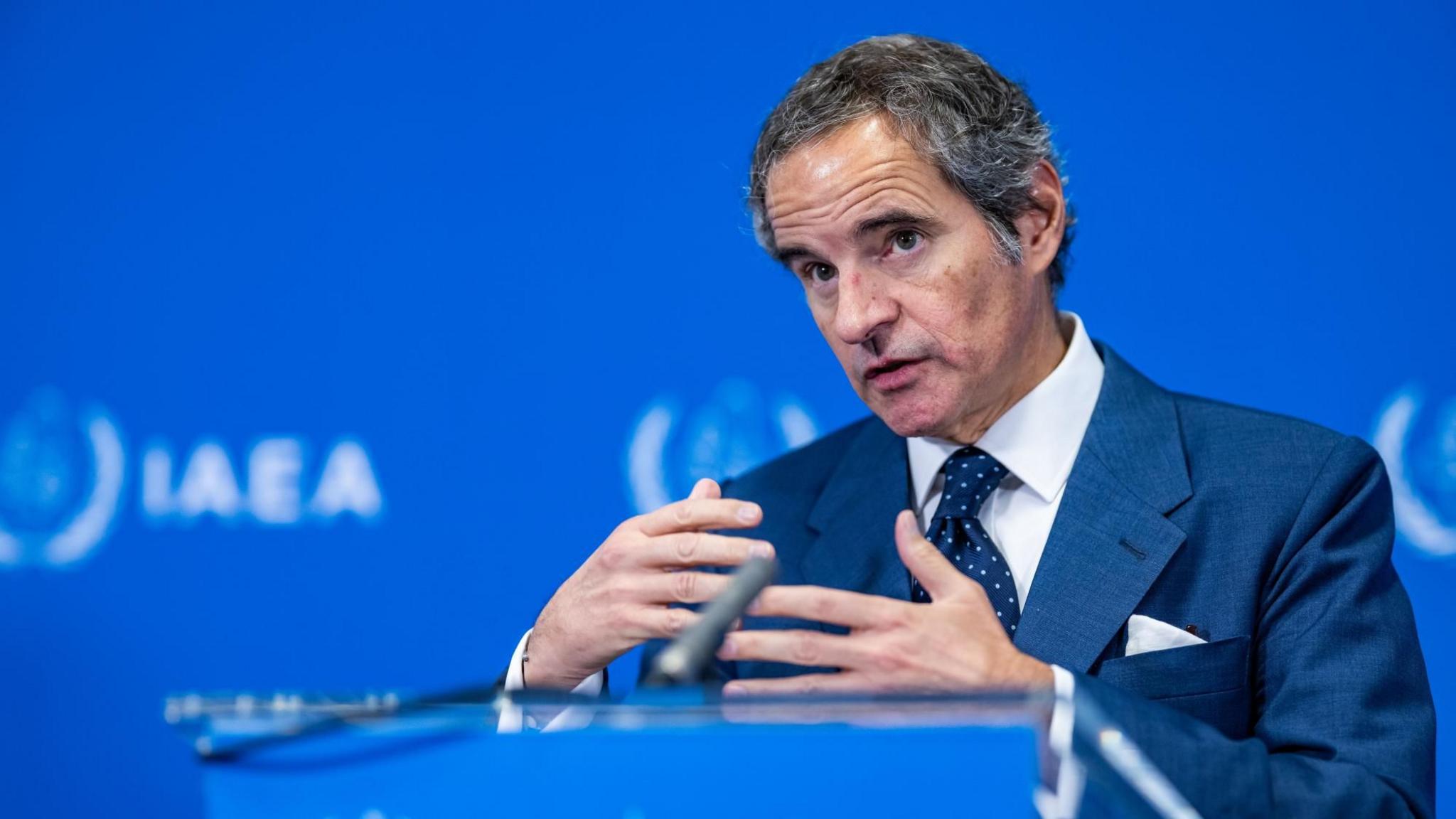
The only concrete commitment is Iran’s pledge to downblending its highly enriched uranium under International Atomic Energy Agency (IAEA) supervision—a stopgap move that critics say does not guarantee the nation will never develop a nuclear weapon.
Other key topics—such as Iran’s missile program, funding for proxy groups like Hezbollah, and provisions for reconstruction—receive minimal mention. Trump insisted the United States will not provide any direct financial aid, yet the text hints at possible future payments as part of a negotiated settlement, potentially opening a political backlash from anti‑interventionist allies.
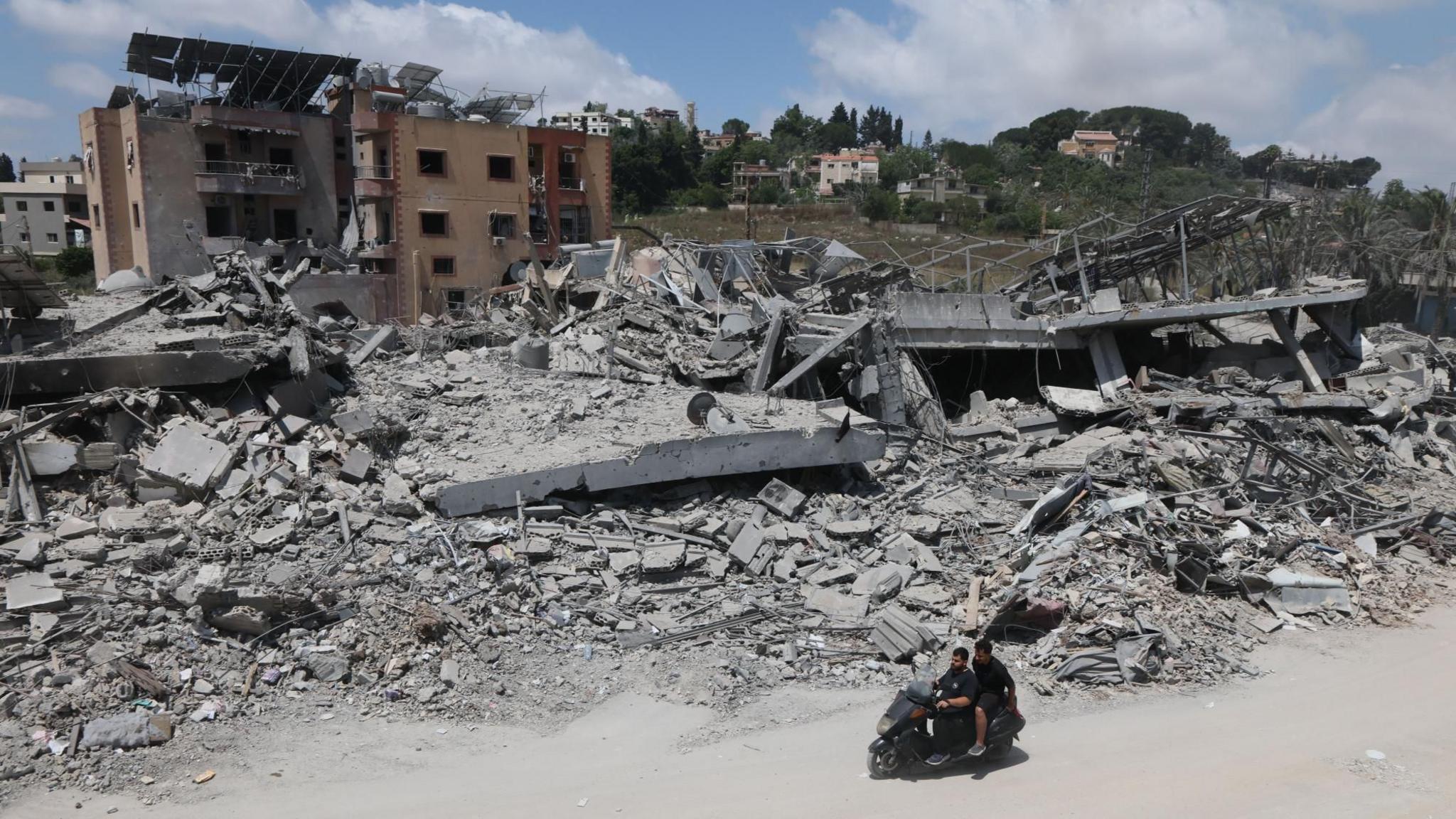
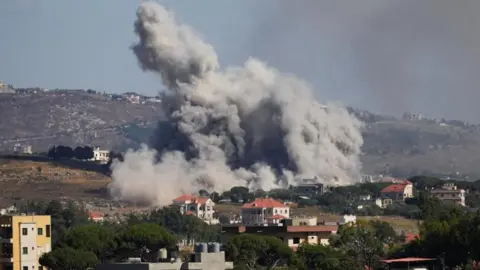
The memorandum also extends a ceasefire to Hezbollah, but provides no enforcement mechanism to curtail Iran’s support for that group or other regional militias. The lack of detail on these issues signals a cautious approach and suggests that the parties may not expect a full‑scale deal within the 60‑day deadline.
Front‑line analysts warn that the short timeline—mirroring seven years of whiplash negotiations under the Obama administration—may prove impractical. Trump’s remarks that the United States can simply resume bombing if progress stalls further highlight the fragile balance of security and diplomacy at play in the Middle East.