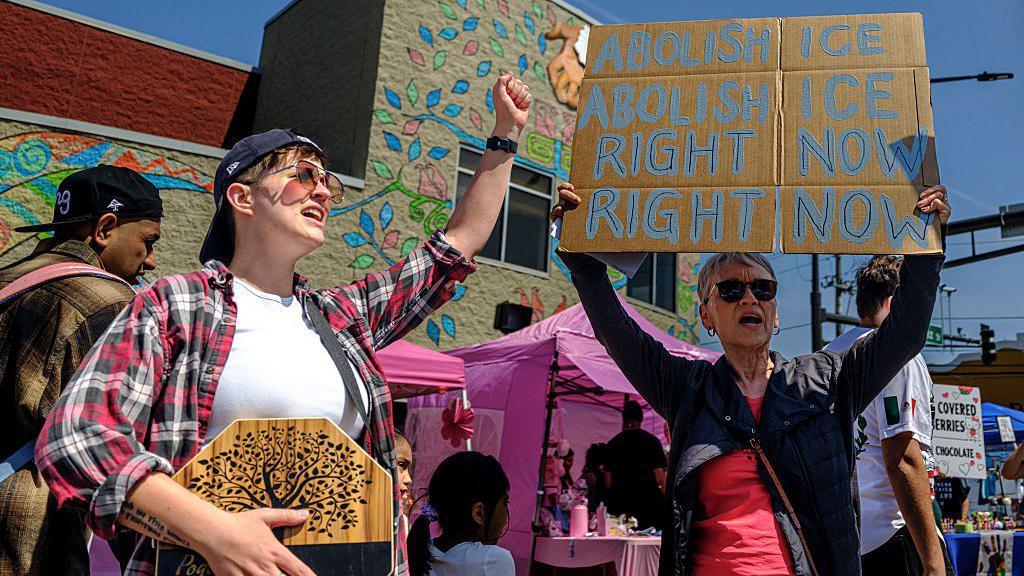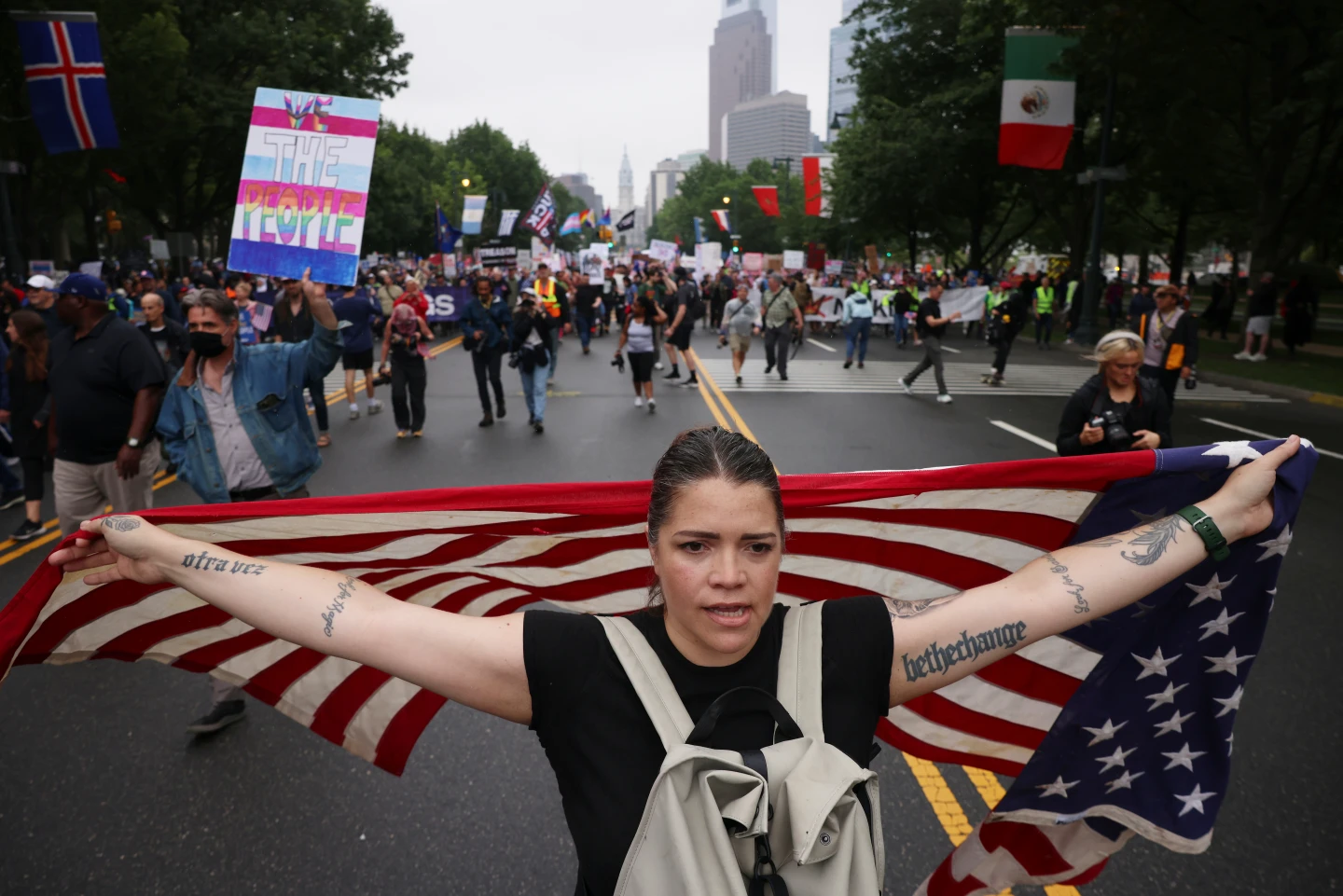
ST. PAUL, Minn. — The upcoming 'No Kings' protests are expected to draw a staggering number of participants, with organizers planning more than 3,100 events nationwide. This demonstration aims to challenge the actions of President Donald Trump and his administration, with predictions of participation exceeding 9 million.
The rally in Minnesota has been designated as the primary event, highlighted by the tragic backdrop of two fatal shootings related to Trump's immigration policies last year. The Minnesota Capitol is set to be a hub of activity with hopes of attracting around 100,000 people, following a previous turnout of approximately 80,000.
Musical performances will include Bruce Springsteen, who is set to debut his new song 'Streets of Minneapolis,' inspired by the local tragedy. The event will also feature activists, labor leaders, and officials including Joan Baez and Bernie Sanders.
Despite the significance of these protests, the White House dismissed such gatherings as “leftist funding networks” aimed at creating public outrage against Trump. Spokesperson Abigail Jackson stated, “The only people who care about these Trump Derangement Therapy Sessions are the reporters who are paid to cover them.”
In addition to the protests across the U.S., similar events are organized in several countries worldwide. Activists express a growing dissatisfaction with Trump’s policies, highlighting that the protests are resonating with individuals beyond their traditional support bases, including conservative regions.
With the potential for larger crowds than previous protests, organizers believe they are capturing a wider narrative that reflects collaboration across all demographics, emphasizing that America belongs to its citizens, not to autocratic leaders.
The unfolding events are not just about numbers but also about broadening the conversation surrounding democracy and governance in the United States. As stated by co-executive directors of Indivisible, Leah Greenberg and Ezra Levin, these protests signify a broader discontent that encompasses both rural and urban areas.