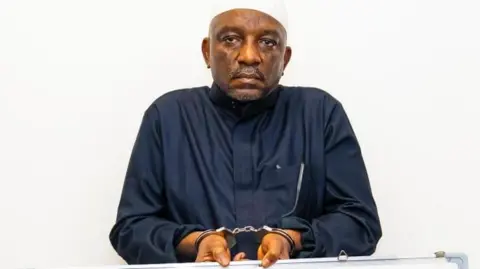
Nigeria has begun the prosecution of more than 500 people accused of involvement in militant attacks in one of the country's largest-ever terrorism trials. The suspects face charges linked to aiding and abetting terrorism, particularly in the northeast where an insurgency by the Boko Haram Islamist group began 17 years ago. Since then, insecurity has spread to many other areas of the West African nation, leaving communities, often those in rural areas, at the mercy of mushrooming militant groups and gangs that kidnap for ransom.
The mass trial opened on Tuesday at a high court in the capital, Abuja, where 227 suspects were arraigned before 10 judges, according to Attorney General Lateef Fagbemi. Hundreds of people have lost their lives in bombings and various attacks across Nigeria this year alone. Very few people are ever prosecuted over terror attacks, and suspects are often detained and spend years in custody without facing trial.
On Wednesday, gunmen killed at least 20 people in the western state of Niger after raiding villages known for kidnapping activities. Security was tight during the court session, with suspects transported in heavily guarded convoys under military, police, and intelligence supervision. International observers, including human rights groups and the Nigerian Bar Association, were also present in court.
The defendants are alleged to have participated in attacks primarily in northern Nigeria, while others face charges of supporting militants through funding, supplying arms, and logistics. Five of the accused have already been given jail terms ranging from seven to 20 years after pleading guilty to charges that included selling livestock, supplying food and information to militant groups.
Fagbemi emphasized the operation's scale indicates the government's resolve to confront terrorism. 'The federal government is committed to ensuring that due process is followed while bringing those involved in terrorism to justice,' he stated. Security expert Bashir Galma praised the trial as a significant milestone in Nigeria's fight against terrorism, noting that it addresses public frustration about delayed legal processes for suspects.
This outlines a pivotal step not just towards accountability for those affected by terror but also a move to dispel rumors of suspects returning to their previous activities post-arrest. Nevertheless, some analysts caution that considering the lengthy detentions of some suspects might lead to their eventual release.
The mass trial opened on Tuesday at a high court in the capital, Abuja, where 227 suspects were arraigned before 10 judges, according to Attorney General Lateef Fagbemi. Hundreds of people have lost their lives in bombings and various attacks across Nigeria this year alone. Very few people are ever prosecuted over terror attacks, and suspects are often detained and spend years in custody without facing trial.
On Wednesday, gunmen killed at least 20 people in the western state of Niger after raiding villages known for kidnapping activities. Security was tight during the court session, with suspects transported in heavily guarded convoys under military, police, and intelligence supervision. International observers, including human rights groups and the Nigerian Bar Association, were also present in court.
The defendants are alleged to have participated in attacks primarily in northern Nigeria, while others face charges of supporting militants through funding, supplying arms, and logistics. Five of the accused have already been given jail terms ranging from seven to 20 years after pleading guilty to charges that included selling livestock, supplying food and information to militant groups.
Fagbemi emphasized the operation's scale indicates the government's resolve to confront terrorism. 'The federal government is committed to ensuring that due process is followed while bringing those involved in terrorism to justice,' he stated. Security expert Bashir Galma praised the trial as a significant milestone in Nigeria's fight against terrorism, noting that it addresses public frustration about delayed legal processes for suspects.
This outlines a pivotal step not just towards accountability for those affected by terror but also a move to dispel rumors of suspects returning to their previous activities post-arrest. Nevertheless, some analysts caution that considering the lengthy detentions of some suspects might lead to their eventual release.