For months, rumors and secrecy have surrounded last year's alleged Independence Day coup plot in Nigeria. With the recent indictment of six people facing accusations, we now gain insights into an apparent rogue plan aimed at ousting President Bola Tinubu, scheduled to unfold on October 1, 2025, coinciding with Nigeria's 65th independence anniversary from the UK.
Due to unexplained last-minute cancellations of celebratory events, the plot’s details have emerged over time. The military formally acknowledged thwarting a coup attempt in January, following initial statements hinting at a conspiracy involving unnamed military officers.
Court documents filed in the Federal High Court reveal Colonel Mohammed Ma'aji as the purported mastermind behind the coup attempt. Specific allegations suggested that the plot aimed to destabilize Nigeria’s governance in preparation for a takeover.
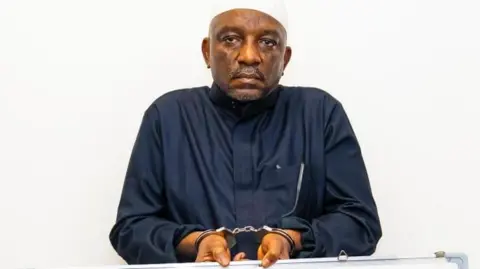
Legal sources indicate the defendants, comprising civilians, a serving police inspector, and retired military personnel, face charges including treason, terrorism, and money laundering. Interestingly, while they may not represent the key figures behind the plot, their trial is expected to unveil the workings of a conspiracy that enlisted various elements of Nigeria's defense and security framework.
Nigeria's troubling history includes multiple military coups, yet the country has maintained civilian rule since 1999, amid rising economic woes and political instability suggesting a potential return to military governance. Meanwhile, allegations against Timipre Sylva, a former oil minister believed to have financed the coup, further complicate the scenario.
The unfolding drama raises questions about national security, stability, and the role of influential civilians—most notably, Nollywood actor Stanley Amandi, said to have been enlisted as a public relations asset for the military move. With the ongoing trial and potential for more arrests, the unfolding saga remains critical for understanding Nigeria’s political landscape.
Due to unexplained last-minute cancellations of celebratory events, the plot’s details have emerged over time. The military formally acknowledged thwarting a coup attempt in January, following initial statements hinting at a conspiracy involving unnamed military officers.
Court documents filed in the Federal High Court reveal Colonel Mohammed Ma'aji as the purported mastermind behind the coup attempt. Specific allegations suggested that the plot aimed to destabilize Nigeria’s governance in preparation for a takeover.
Legal sources indicate the defendants, comprising civilians, a serving police inspector, and retired military personnel, face charges including treason, terrorism, and money laundering. Interestingly, while they may not represent the key figures behind the plot, their trial is expected to unveil the workings of a conspiracy that enlisted various elements of Nigeria's defense and security framework.
Nigeria's troubling history includes multiple military coups, yet the country has maintained civilian rule since 1999, amid rising economic woes and political instability suggesting a potential return to military governance. Meanwhile, allegations against Timipre Sylva, a former oil minister believed to have financed the coup, further complicate the scenario.
The unfolding drama raises questions about national security, stability, and the role of influential civilians—most notably, Nollywood actor Stanley Amandi, said to have been enlisted as a public relations asset for the military move. With the ongoing trial and potential for more arrests, the unfolding saga remains critical for understanding Nigeria’s political landscape.