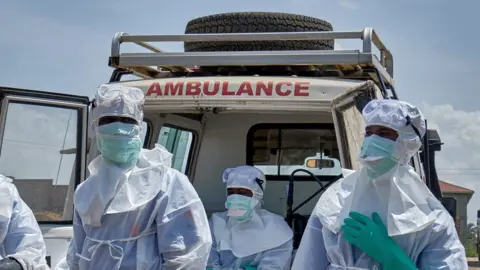
An Ebola outbreak in the Democratic Republic of Congo has been declared a public health emergency of international concern, according to the World Health Organization (WHO). The complexity of the outbreak is heightened by the involvement of a rare strain that lacks an effective vaccine, and its emergence in war-torn regions exacerbates containment challenges.
What is Ebola and what are the symptoms?
Ebola is a rare yet highly lethal disease caused by a virus. Typically, it infects animals, especially fruit bats, and can be transmitted to humans through direct contact with infected species.
The symptoms manifest between two to twenty-one days post-infection, often starting with flu-like symptoms such as fever, headaches, and fatigue. As the illness progresses, it may lead to severe complications, including vomiting, diarrhea, organ failure, and in some cases, internal and external bleeding.
Why is this Ebola outbreak different and is there a vaccine?
This current outbreak is attributed to the Bundibugyo strain of Ebola, reemerging after more than ten years. The strain has only previously accounted for two outbreaks, resulting in high mortality rates. The rarer nature of this strain complicates containment efforts as initial blood tests mistakenly indicated negative results due to testing protocols being geared towards more common strains.
While experimental vaccines are in development, there is currently no approved vaccine specifically for the Bundibugyo strain, nor are there targeted treatments available, making medical intervention more challenging.
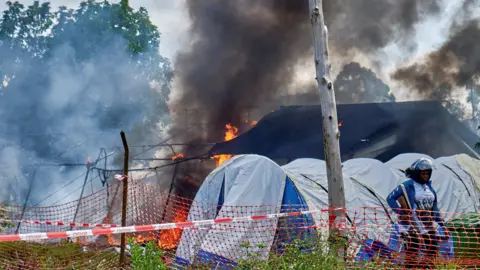
Compounding these issues, the outbreak is situated in a region fraught with conflict, which has led to significant population displacement and cross-border movements, heightening the risk of wider transmission.
How did the outbreak start?
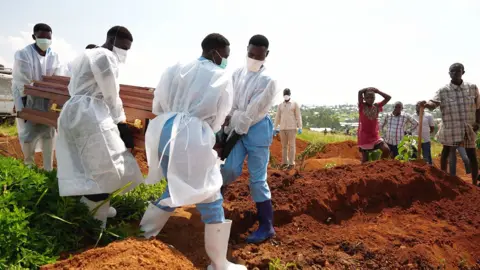
The outbreak is believed to have initiated with a nurse developing symptoms on April 24. Following her death, a traditional funeral involving significant public contact sparked further spread of the virus.
What measures are being implemented?
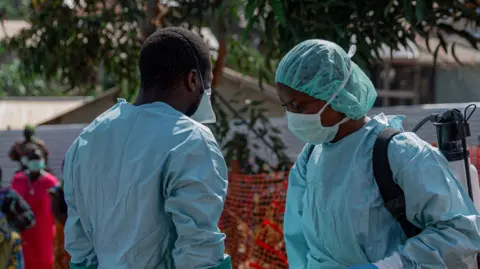
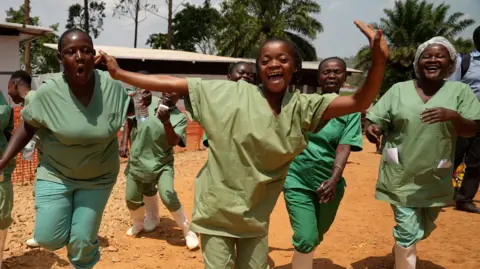
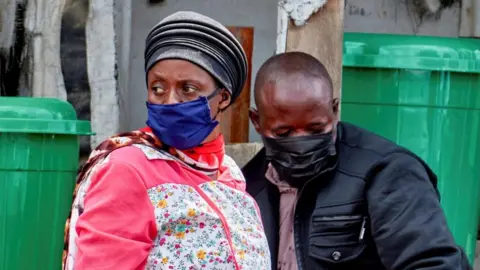
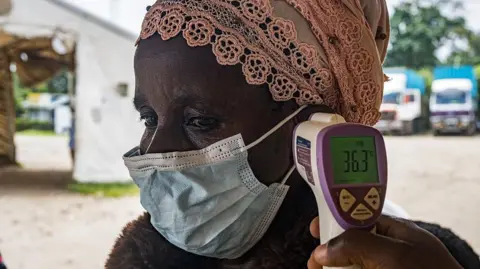
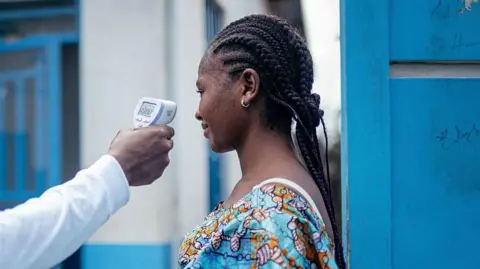
The DRC government and organizations such as WHO and Médecins Sans Frontières (MSF) are mobilizing health teams and treatment centers in affected areas. Public health campaigns are educating communities on hygiene practices and appropriate responses to symptoms, highlighting the importance of avoiding contact with infected individuals or animals.
International response and neighboring country precautions
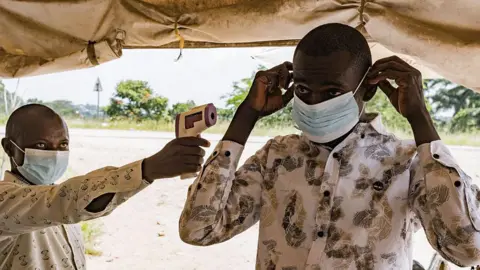
With the spread risk extending to neighboring regions, countries like Uganda and Rwanda are strengthening border control measures. Rwanda has implemented heightened screening protocols, while Uganda has canceled large gatherings to minimize transmission risks. The coordination between health authorities and local factions is crucial to navigate this complex public health crisis.