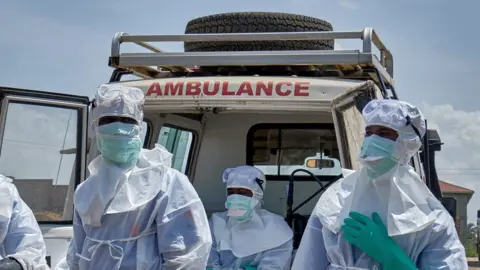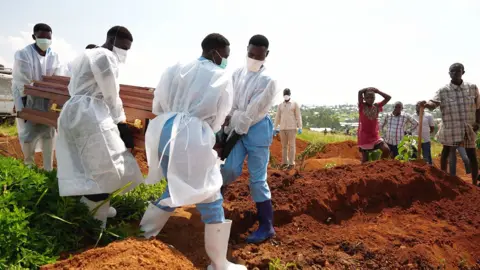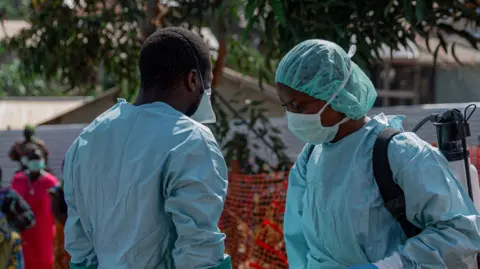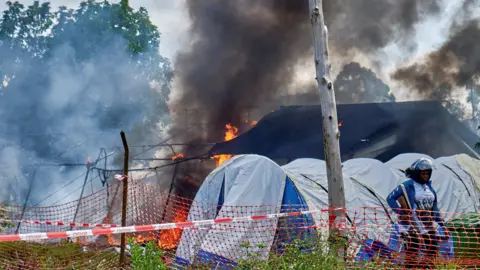
Fear has gripped Ebola-hit areas in eastern Democratic Republic of Congo as the suspected number of deaths continues to rise, as officials say they are struggling to catch up to an outbreak that may have previously been spreading undetected.
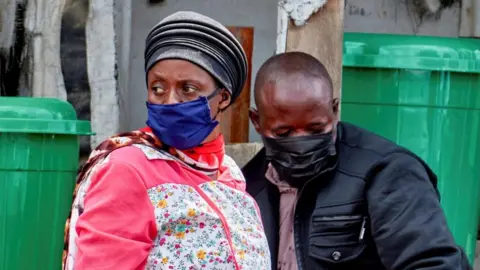
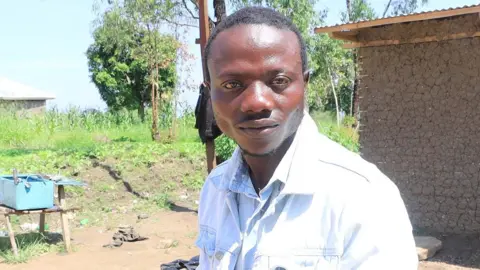
'Ebola has tortured us,' says a taxi rider in his late twenties in the gold-mining town of Rwampara. 'I am scared because people are dying very fast... We are really afraid.'
Following a visit to Ituri province, the epicentre of the outbreak, over the weekend, Congolese Health Minister Dr. Samuel Roger Kamba acknowledged health teams were playing catch-up with the virus, which may have been circulating earlier than first detected on 24 April.
The presumed patient zero is a nurse who died in the provincial capital Bunia, but was buried in Mongwalu, also a gold-mining town. Most of the suspected cases and deaths have been reported there and in neighbouring Rwampara.
As of Tuesday, there were 514 suspected cases, with 136 people believed to have died from the virus, officials said. One person has also died in neighbouring Uganda.
International charity Save the Children highlighted that the Bundibugyo strain had not been previously identified in Ituri province, complicating testing efforts which were aimed at the more common Zaïre strain.
The outbreak is aggravated by underlying issues in the region, including armed conflict and a pre-existing humanitarian crisis, leading to a challenging environment for health officials attempting to contain the virus.
Dr. Kamba emphasized the need for communities to report illnesses promptly to prevent further spread, indicating that many deaths may occur without being reported.
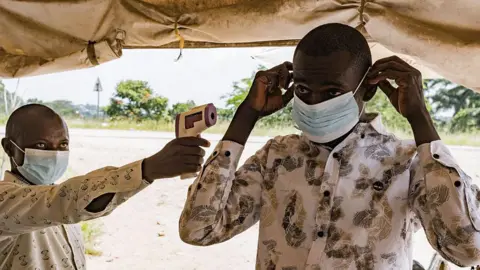
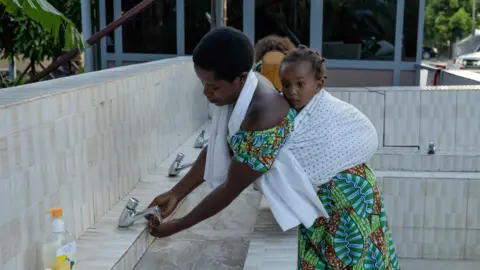
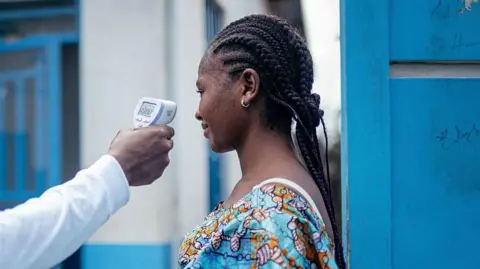
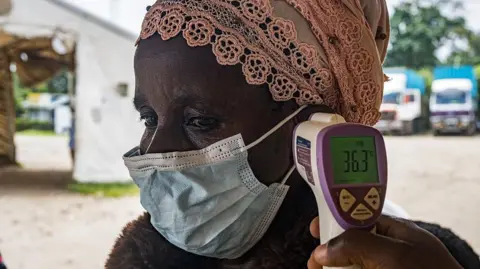
As residents express their desperation and fear, they also call for simple but effective protective measures, including the availability of masks and better healthcare facilities. Health officials stress the importance of community awareness to effectively manage and contain this urgent public health crisis.