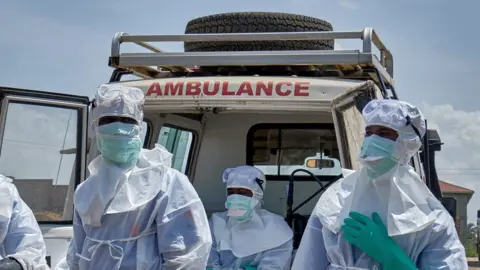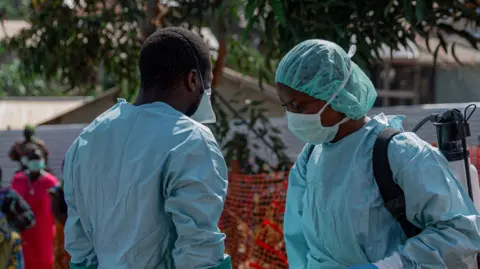
An Ebola outbreak in the Democratic Republic of Congo has been declared a public health emergency of international concern by the World Health Organization (WHO). The outbreak is particularly challenging due to the emergence of a rare strain for which no vaccine currently exists, combined with the complex socio-political environment of the affected area.
Ebola is a rare yet deadly virus typically transmitted from animals, such as fruit bats, to humans. The illness takes between 2 to 21 days for symptoms to manifest, which begin similarly to the flu, including fever, headache, and fatigue, escalating to severe complications such as vomiting, diarrhea, and potential organ failure.
This latest outbreak is attributed to the Bundibugyo species of the Ebola virus, which had not been identified for over a decade. Historical data indicates that approximately a third of those infected with this strain have succumbed to the virus, heightening fears among health officials. Compounding the situation, initial blood tests often returned negative due to the unavailability of specific tests for this less common strain.
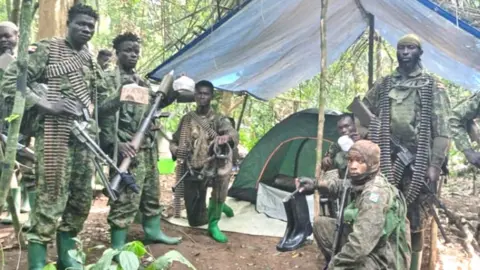
Furthermore, the outbreak is exacerbated by its occurrence in a conflict zone, with many people displaced from their homes, thus complicating surveillance and response efforts. With the WHO's declaration, health authorities are mobilizing resources for containment, but the risk of a wider spread remains, particularly given the porous borders with neighboring countries.
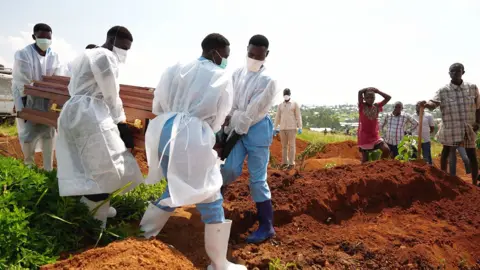
The outbreak was initiated by a nurse who developed symptoms on April 24 and has since claimed several lives. Funeral practices that expose many to the deceased's bodily fluids have also played a significant role in the virus's rapid transmission. Public health campaigns are pressing the need for hygiene measures and safe funeral practices.
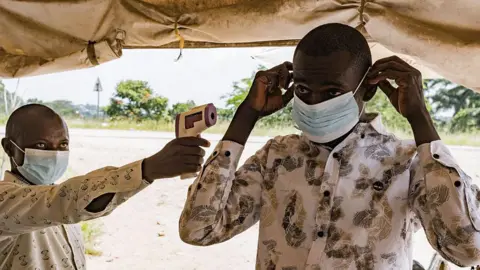
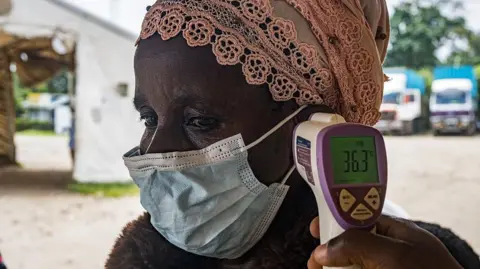
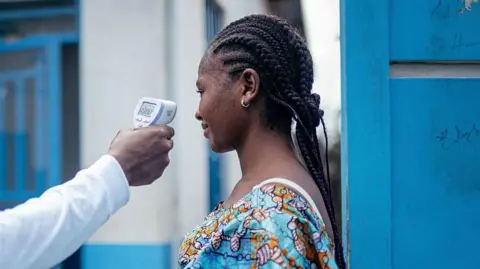
In response, governments are reinforcing health measures at borders and preparing health teams to provide treatment and information. However, the lack of an approved vaccine for Bundibugyo complicates treatment efforts, with only experimental options being available.
As international health organizations continue to assist, there remains significant concern regarding the outbreak's scope and its potential consequences beyond Eastern Africa.