Hope Amidst Death: Celebrated Recovery in Congo's Ebola Epicentre
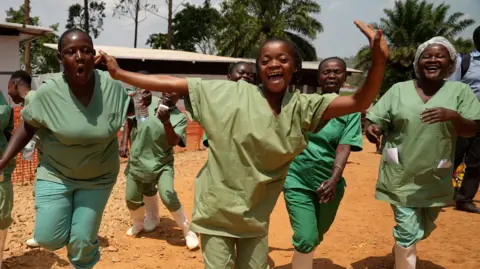
The Democratic Republic of Congo's Ituri province, where the Bundibugyo strain of Ebola broke out, has now recorded more than 140 deaths since the first patient was confirmed a month earlier. Yet this stark statistic is counterbalanced by an on‑ground celebration: a recovered patient, Daniel Kitambala, walked out of the Mongbwalu treatment centre dressed in a black T‑shirt, smiling and expressing thanks to the medics as they sang.
BBC
His victory was not merely personal: the patient had endured three weeks in the hospital, prior to two negative Ebola tests confirming he was free of the virus. The centre, located at the heart of the region’s outbreak, is surrounded by orange netting that marks its perimeter – a visible reminder of how isolation and protective protocols shape the battle against the disease.
Ebola’s lethality in this outbreak – killing roughly one in five confirmed cases – is real, yet scientists and health workers are making strides to curb its spread. Early tests focused on the more common Makona species, so it took days or weeks to confirm the Bundibugyo strain until a new laboratory at Mongbwalu could return results within a day.
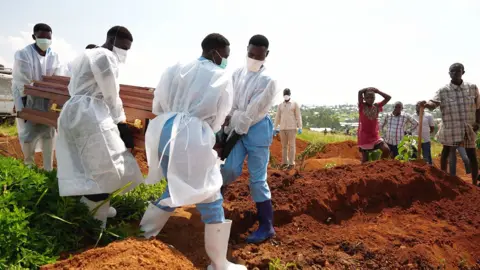
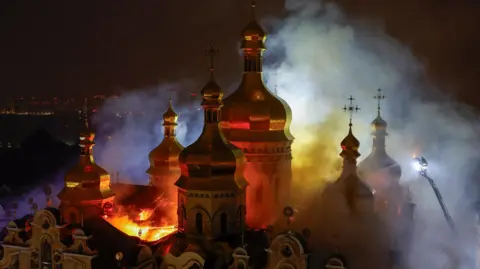
The community’s grief and mistrust have been compounded by myths such as the “coffin curse” – a belief that burning a coffin caused the deaths – and the perception that treatment centers were the problem. The past has seen such centers attacked in 2018-20 and even in May 2026 when a tent in Mongbwalu was set on fire; the nearby Rwampara centre faced similar violence a day later, but both have since reopened.
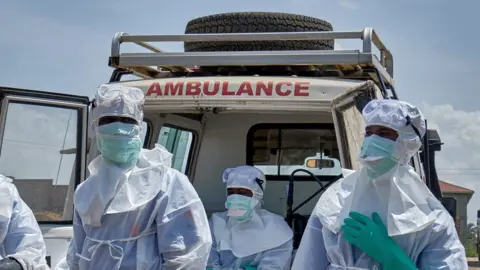
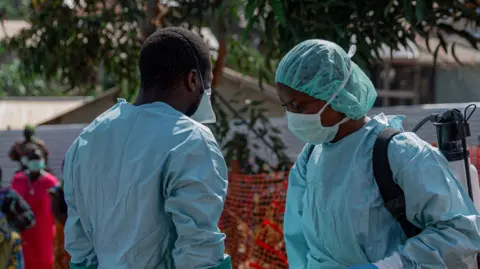
Despite these setbacks, health provider Dr Richard Lukodu has witnessed an encouraging shift. He reports that more people are now seeking treatment, and that the first patient to leave the centre, Pastor Deogratias Kasereka, was a tangible signal that the virus can be conquered. Emergency measures, including full protective gear, strict distancing, and double‑testing protocols, have reduced the risk for staff; five medics have died, but improved infection control measures have cut the incidence of new cases.
Reentry into daily life remains cautious. Patients with severe infections stay in individual cubicles, with only fully protected staff allowed inside. A glass screen offers a way for families to see their loved ones without risk, while an open space remains heavily segmented by two‑metre barriers to maintain safety.
Stories of recovery, such as that of a 11‑month‑old child recently discharged, are crucial for a fragile public‑health system. Each survivor becomes a symbol of possibility and an impetus for confidence. Yet the spread of the virus continues, with many contacts still untraced – a reminder that trust and endurance are the twin pillars needed to halt the outbreak.
For those in Ituri and beyond, the recent recoveries mark a glimmer of hope, while authorities stress that the virus’s persistence demands relentless community outreach, transparent communication, and robust medical logistics.