Australia’s first confirmed case of the H5N1 strain of bird flu is a milestone that signals the virus’s arrival on all six continents.
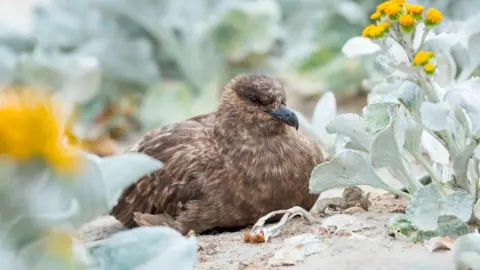
The infection was found in a brown skua seabird that was seen on a beach at the Cape Le Grand National Park near the town of Esperance, about 700 km southeast of Perth, according to Agriculture Minister Julie Collins.
Australia had previously been the only continent without H5N1; its discovery here confirms that the virus has now reached every part of the globe.
Collins said the country has “been preparing for this event for a long time” and that the emergency animal disease committee convened on Saturday to oversee surveillance, testing and containment measures.
While humans are rarely infected, the strain can spread rapidly among poultry farms and wild bird populations, prompting concerns for the industry’s supply chains.
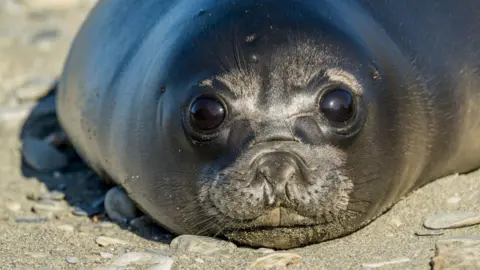
The virus also devastated baby seal and penguin populations on Heard and McDonald Islands last year—up to 75% of 17,000 seals were lost—highlighting the ecological threat that migratory birds can bring.
Scientists suspect the strain arrived on the islands in August on birds migrating from Crozet Islands, 1,800 km away, illustrating how bird migration can be a conduit for worldwide spread.
Authorities are now monitoring other animal populations in Australia for early detection and are urging vigilance across the poultry and wild‑bird sectors to prevent further transmission.