In brief
Scientists using drone surveys and ground sampling report that the H5N1 strain has killed 13,359 of 17,364 baby southern elephant seals on Heard Island, a 75% loss that may be higher still. The virus also infected king and gentoo penguins but caused fewer deaths among adult penguins. Though other species such as albatrosses and endemic fish showed no unusual mortality, the event underscores the risk of the virus spreading to mainland Australia. Government officials have urged that the findings not breed complacency as the southern‑most Australian territories face a looming threat of incursion.
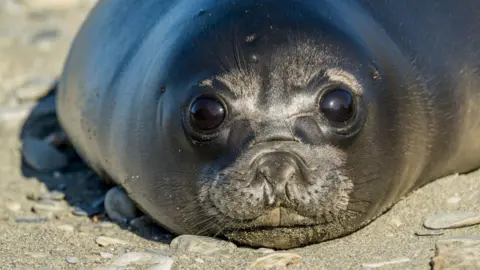
A fresh study published on BioRxiv shows that the H5N1 strain of bird flu has killed more than 13,000 baby southern elephant seals on Heard and McDonald Islands, a 75% loss from a population of 17,000. The findings were based on drone surveillance and on‑the‑ground visits that collected samples from nine species.
Heard and McDonald Islands lie about 4,000 km southwest of mainland Australia and host over one million seabirds and seals. Scientists estimate that 13,359 pups died since last August, with one area reporting up to 97% mortality.
Six species tested positive for H5N1: southern elephant seals, king and gentoo penguins, Antarctic fur seals, and South George diving petrels. The virus caused higher than expected deaths in penguins, yet adult king penguins fell by only a few hundred individuals, a proportion above normal but still a small fraction of the colony.
The study is the first detection of H5 in an Australian external territory and echoes similar outbreaks on South Georgia Island. Specialists believe the virus was introduced last August from migrating birds originating in the French‑owned Crozet Islands, 1,800 km away.
Environment Minister Murray Watt said the seal deaths were “sobering” and warned Australia must not be complacent about a potential incursion. “We must be realistic about the likelihood of an incursion here, and plan accordingly,” he urged.
The Australian Antarctic Program will, for now, continue monitoring for signs of bird flu, stressing the importance of early detection and rapid response. The new findings highlight the fragility of sub‑Antarctic wildlife and underscore the urgent need for robust biosecurity measures.
Thousands of seal pups were killed by bird flu on two remote Australian islands