The World Health Organization (WHO) says it could take up to nine months before a vaccine against this particular species of Ebola is ready. Two possible 'candidate vaccines' against the Bundibugyo species are being developed, but neither had gone through clinical trials yet, WHO advisor Dr. Vasee Moorthy said on Wednesday.
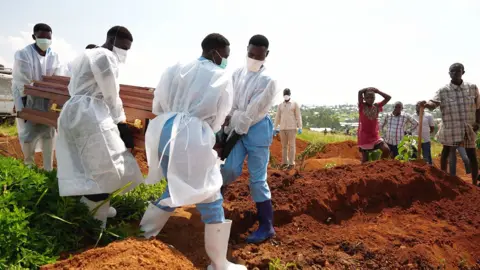
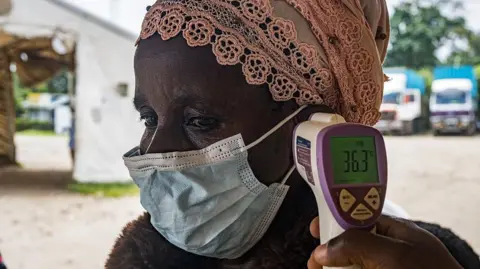
WHO chief Dr. Tedros Adhanom Ghebreyesus stated there have been 600 suspected cases of Ebola and 139 suspected deaths, with numbers likely to rise as detection efforts continue. Currently, 51 cases have been confirmed in the Democratic Republic of Congo (DRC) where the first case was reported, and two cases have emerged in neighboring Uganda.
On Sunday, WHO declared the outbreak a public health emergency of international concern, emphasizing that it is not yet at pandemic levels. The organization assesses the risk of the epidemic as high at the national and regional levels but low on a global scale, according to Dr. Tedros.
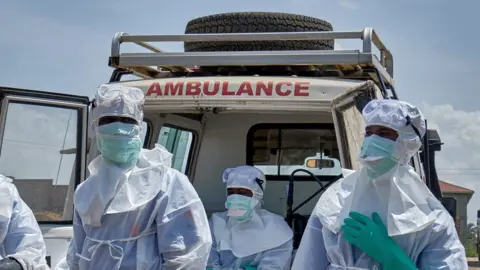
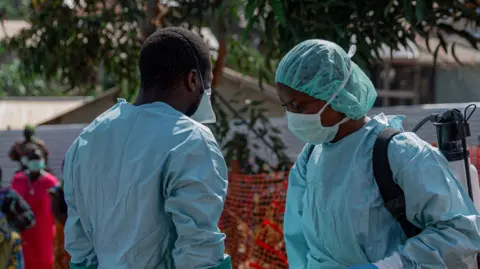
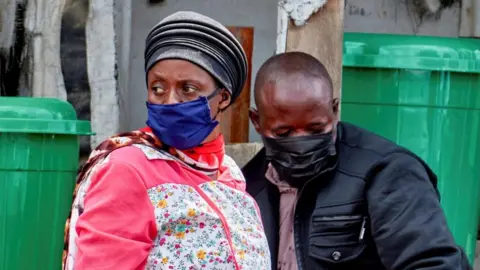
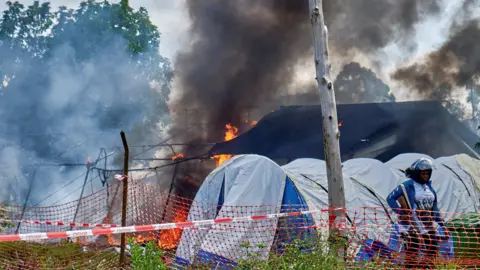
Most cases confirmed are in Ituri province, the epicenter, while the two confirmed in Uganda had traveled from DRC, one of whom has died. The outbreak has overwhelmed local health facilities, leading some to report that they lack adequate protective equipment and have no capacity for new patients.
International support is mobilizing with the UK government pledging up to £20 million to enhance infection control and disease surveillance. However, progress is hampered by a lack of effective treatments and the slow development of vaccines, especially for Bundibugyo, which is less common than other Ebola species. WHO is working to expedite vaccine development and curb the ongoing transmission as investigations into the outbreak continue.
WHO chief Dr. Tedros Adhanom Ghebreyesus stated there have been 600 suspected cases of Ebola and 139 suspected deaths, with numbers likely to rise as detection efforts continue. Currently, 51 cases have been confirmed in the Democratic Republic of Congo (DRC) where the first case was reported, and two cases have emerged in neighboring Uganda.
On Sunday, WHO declared the outbreak a public health emergency of international concern, emphasizing that it is not yet at pandemic levels. The organization assesses the risk of the epidemic as high at the national and regional levels but low on a global scale, according to Dr. Tedros.
Most cases confirmed are in Ituri province, the epicenter, while the two confirmed in Uganda had traveled from DRC, one of whom has died. The outbreak has overwhelmed local health facilities, leading some to report that they lack adequate protective equipment and have no capacity for new patients.
International support is mobilizing with the UK government pledging up to £20 million to enhance infection control and disease surveillance. However, progress is hampered by a lack of effective treatments and the slow development of vaccines, especially for Bundibugyo, which is less common than other Ebola species. WHO is working to expedite vaccine development and curb the ongoing transmission as investigations into the outbreak continue.