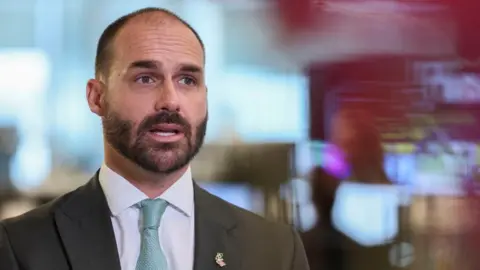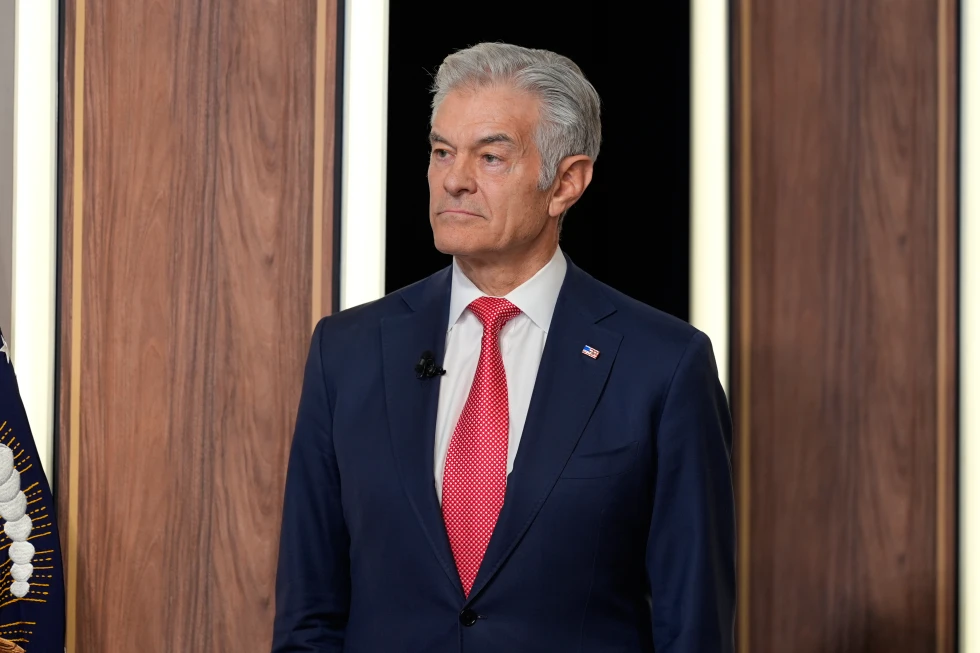
In response to growing measles outbreaks across several states, Dr. Mehmet Oz of the Centers for Medicare and Medicaid Services has urged Americans to get vaccinated. This plea comes as the nation faces the risk of losing its measles elimination status, highlighting a significant rise in cases in areas such as South Carolina and the Utah-Arizona border.
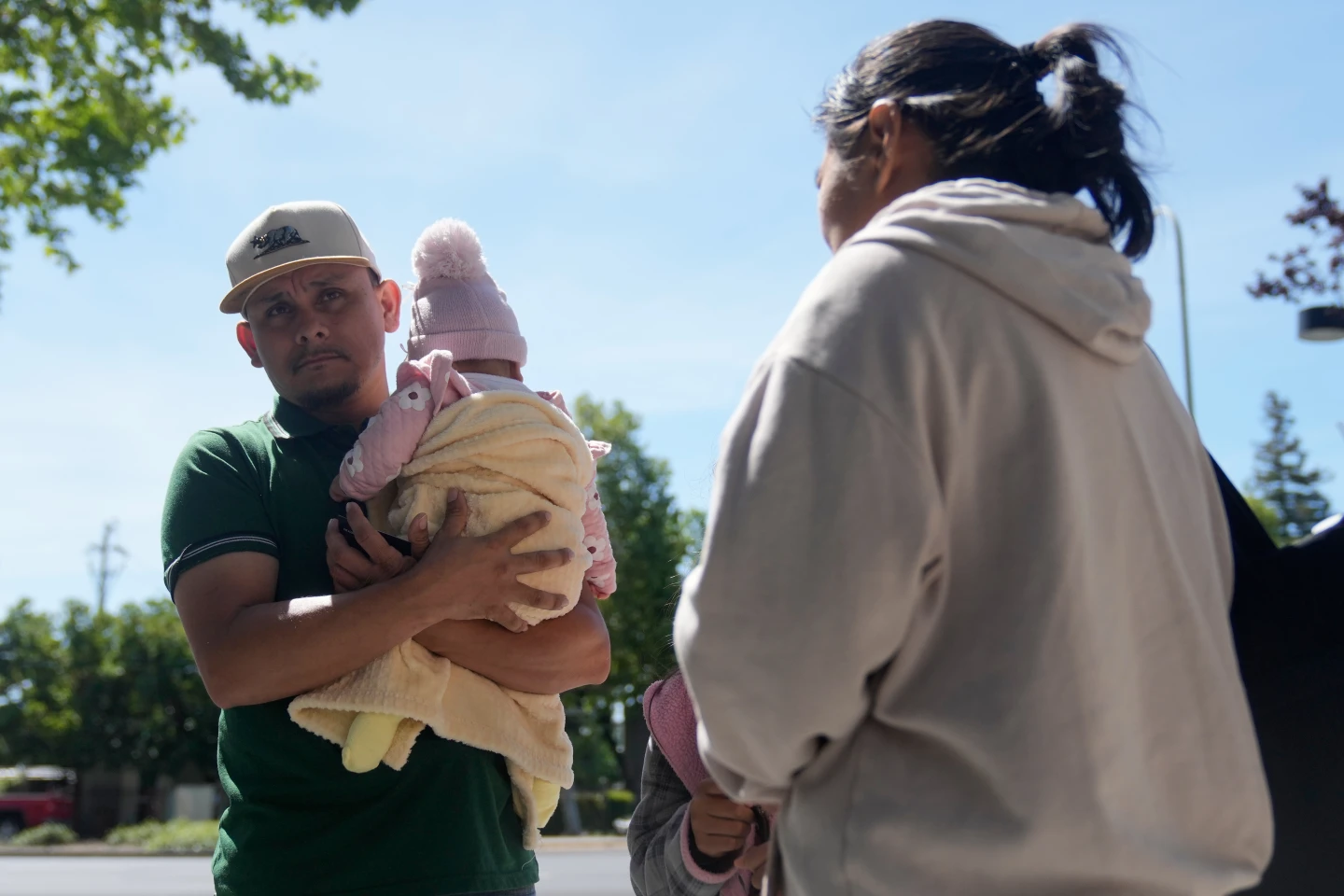
During a recent interview, Oz stated, Take the vaccine, please, drawing attention to the ongoing public health concern that rising vaccine hesitancy may be contributing to this resurgence. Health officials report that recent outbreaks have disproportionately affected children, a demographic particularly vulnerable to the disease.
Not all illnesses are equally dangerous and not all people are equally susceptible to those illnesses, Oz noted, stressing the critical need for measles vaccinations. The administrator emphasized that both Medicare and Medicaid will continue to cover the measles vaccine, ensuring access for all Americans.
The urgency of Oz's message is underscored by data revealing declining vaccination rates in the U.S., with an increasing number of families opting for exemptions from vaccination requirements. The consequences are stark: diseases that vaccines can prevent, like measles and whooping cough, are rising. This concern is compounded by the legacy of skepticism surrounding vaccines, particularly from figures like Health Secretary Robert F. Kennedy Jr., whose previous remarks have sparked controversy over the safety and efficacy of vaccines.
While discussing the vulnerabilities in public health messaging, Oz acknowledged that restoring trust in vaccinations is essential following the disillusionment many experienced during the COVID-19 pandemic. The mixed messages from health authorities have made it difficult for the public to stay informed, further complicating efforts to bolster vaccination rates.
Experts warn that the revival of vaccine-preventable diseases could have dire consequences, especially for younger populations. As the U.S. government and public health agencies review vaccine policies amidst changing political landscapes, the importance of clear and consistent communication regarding vaccinations has never been more urgent.