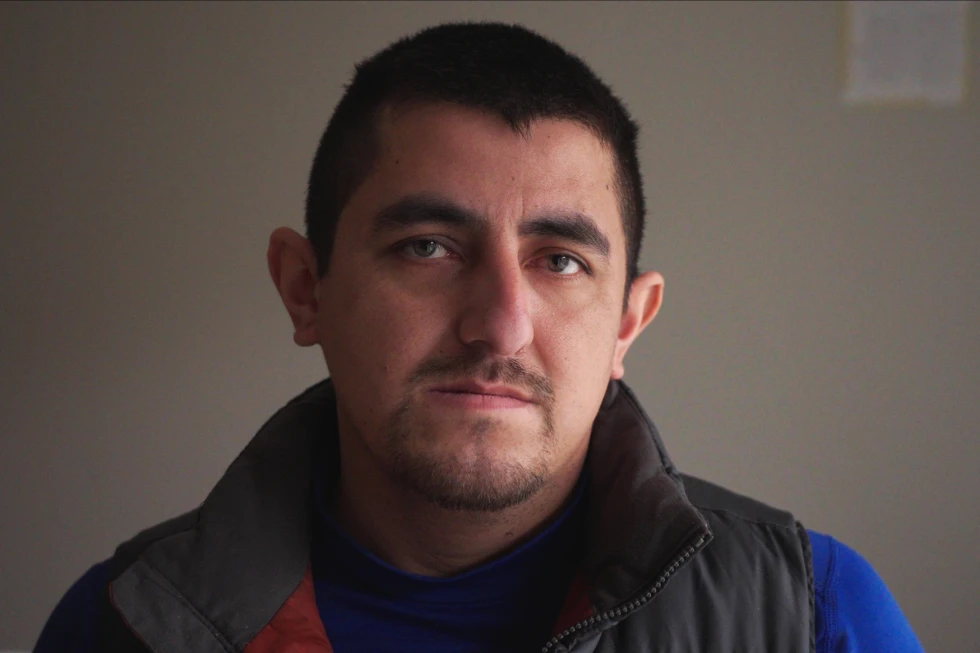
MINNEAPOLIS (AP) — Alberto Castañeda Mondragón says his memory was so jumbled after a beating by immigration officers that he initially could not remember he had a daughter and still struggles to recall treasured moments like the night he taught her to dance.
But the violence he endured last month in Minnesota while being detained is seared into his battered brain.
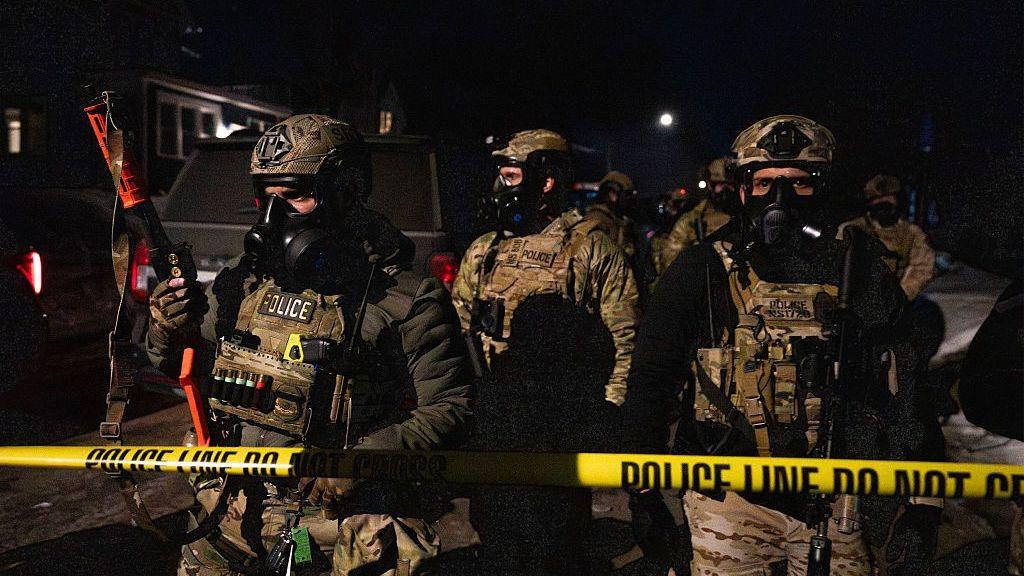
He remembers Immigration and Customs Enforcement agents pulling him from a friend’s car on January 8 outside a St. Paul shopping center and throwing him to the ground, handcuffing him, then punching him and striking his head with a steel baton. He remembers being dragged into an SUV and taken to a detention facility, where he said he was beaten again.
Castañeda Mondragón, 31, is one of an unknown number of immigration detainees who have been left with lasting injuries following violent encounters with ICE officers. His case is one of the excessive-force claims the federal government has thus far declined to investigate.
Despite suffering from severe injuries—including eight skull fractures and five life-threatening brain hemorrhages—Castañeda Mondragón expressed hope for recovery. He has launched a GoFundMe and is relying on community support for his medical care.
After the arrest, he found himself being monitored closely at Hennepin County Medical Center, where he struggled to remember his own daughter and their past experiences together.
Violence and Racism
The officers allegedly claimed he ran headfirst into a wall, a statement quickly dismissed by medical staff who noted his injuries were inconsistent with such an account. A CT scan revealed extensive skull fractures.
Once at the ICE holding facility in Minnesota, he faced further abuse and laughed at when he pleaded for mercy due to his injuries. Castañeda Mondragón recounted the hostility he faced, emphasizing that no provocations came from him or his companions.
Pushing for Accountability
The incident has raised significant concerns among elected officials and community leaders, prompting calls for an investigation into ICE conduct and practices. Minnesota Governor Tim Walz expressed the need for accountability, highlighting that law enforcement cannot act with impunity.
With his future uncertain and the physical and emotional scars of the assault still fresh, Castañeda Mondragón’s story echoes throughout his community, shedding light on the pressing issue of immigration enforcement and its consequences.