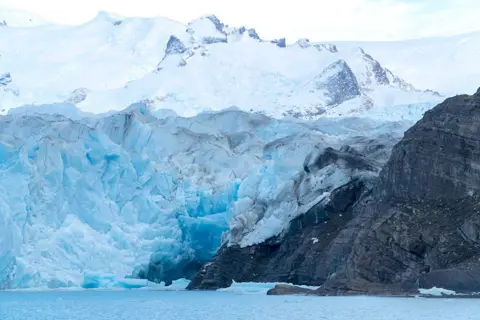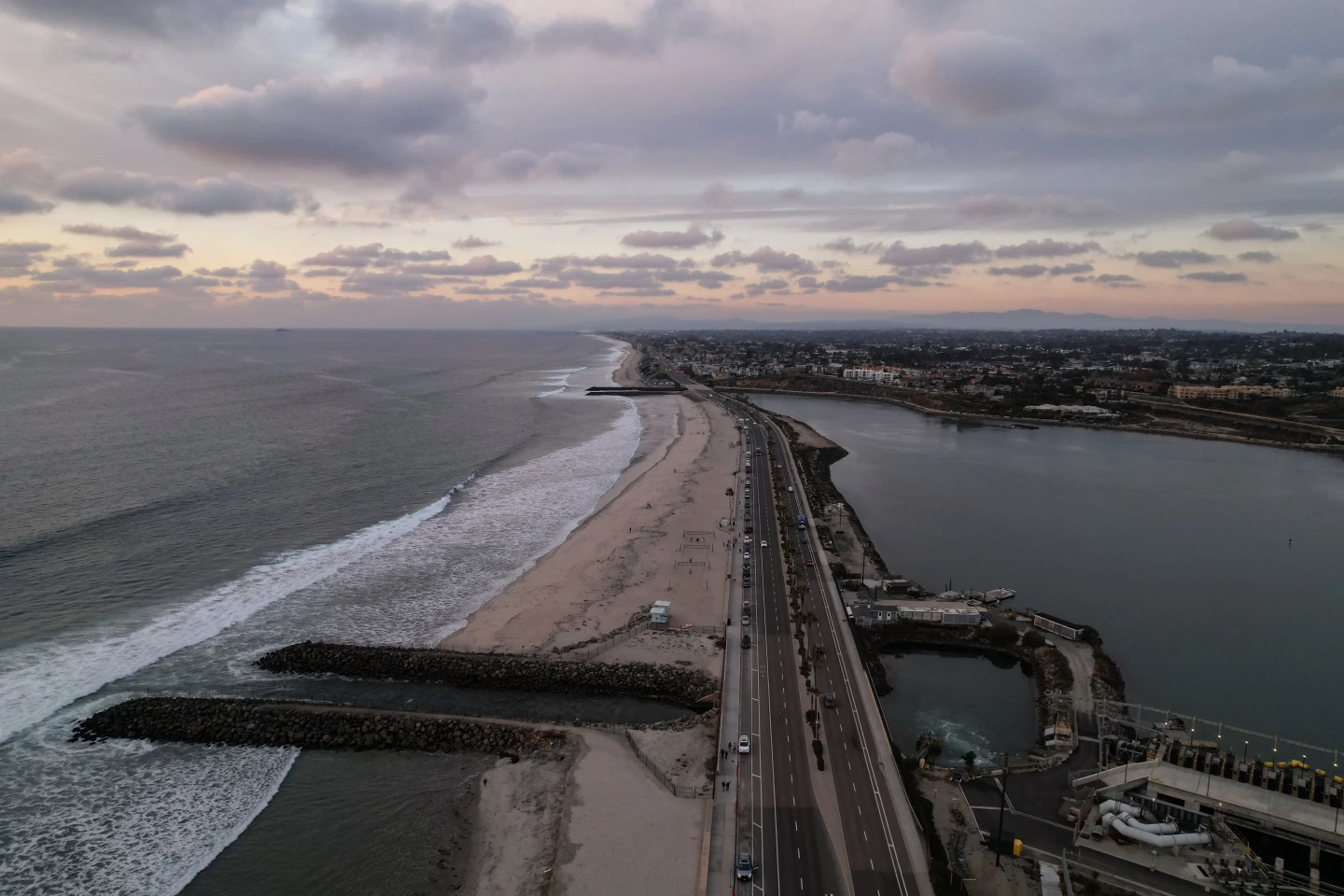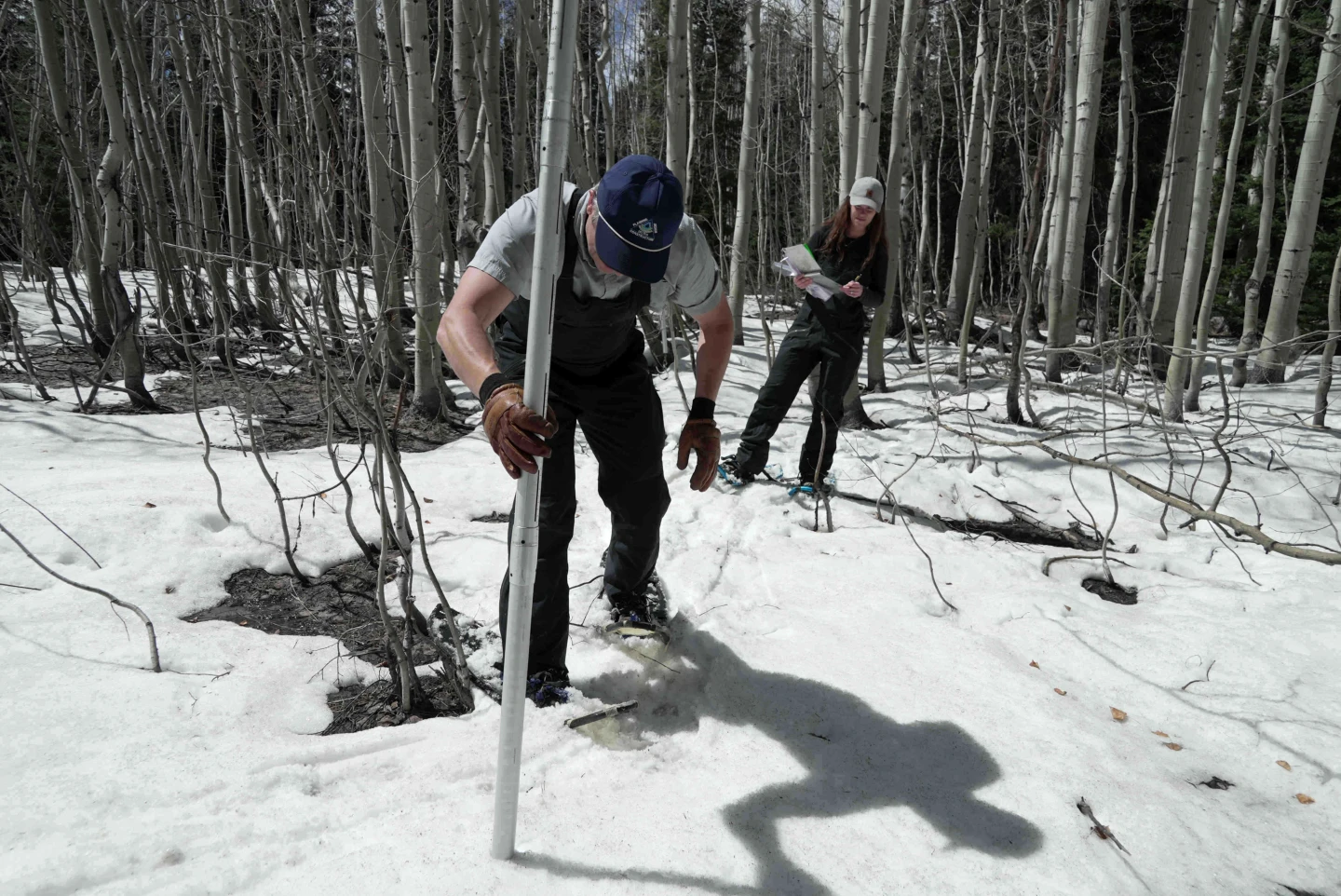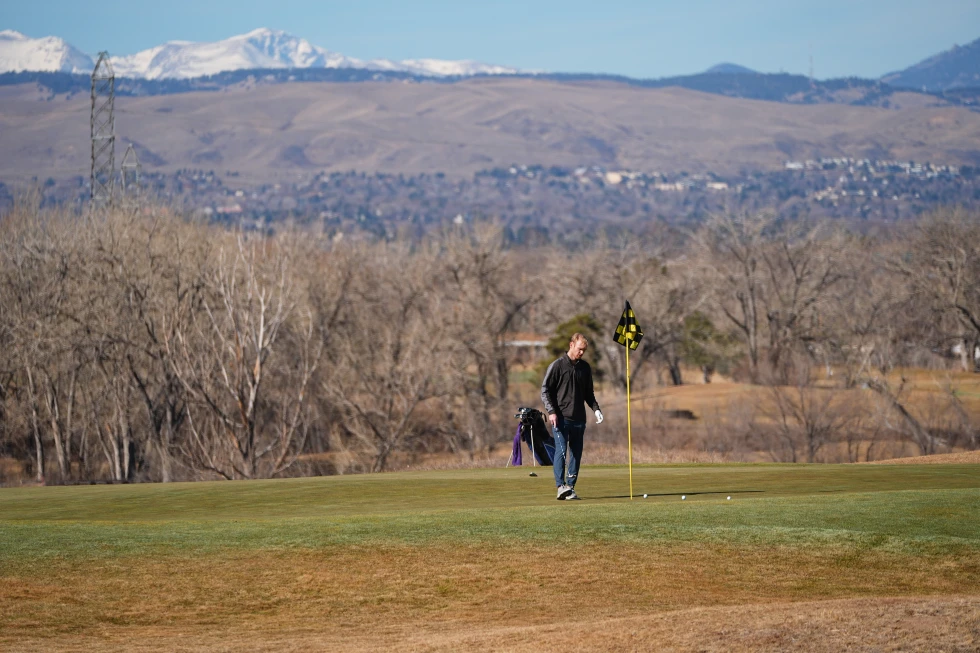
The American West is grappling with a record snow drought coupled with unprecedented heat, leading to significant concerns about dwindling water supplies and a looming wildfire threat. The National Snow and Ice Data Center reports that snow cover and depth are at their lowest in decades, with at least 67 weather stations across the West experiencing the warmest December through early February on record.
Mark Serreze, director of the National Snow and Ice Data Center, expressed his astonishment at the unyielding weather patterns, stating, I have not seen a winter like this before, this pattern that we’re in is so darned persistent. The statistics speak volumes: while normal snow cover for this time of year should span about 460,000 square miles, current figures show only about 155,000 square miles, roughly the size of California.
Oregon has recorded snowpack levels that are 30% lower than previous records, exacerbating fears as similar trends are noted in Colorado and Utah. With January's precipitation falling short, many Western states are significantly behind their historical averages.
Warming temperatures due to climate change are significantly intensifying these issues. Over 8,500 high temperature records were set since December 1, leading to rain events instead of the much-needed snow, with critical implications for the region’s future water supply.
Meteorologists forecast some relief with possible cooler and wetter weather ahead, but concerns remain about not achieving even average snowpack levels this season. Daniel Swain, from the University of California's Water Resources Institute, emphasized the potential adverse impacts on agriculture and hydropower from insufficient winter snowfall.
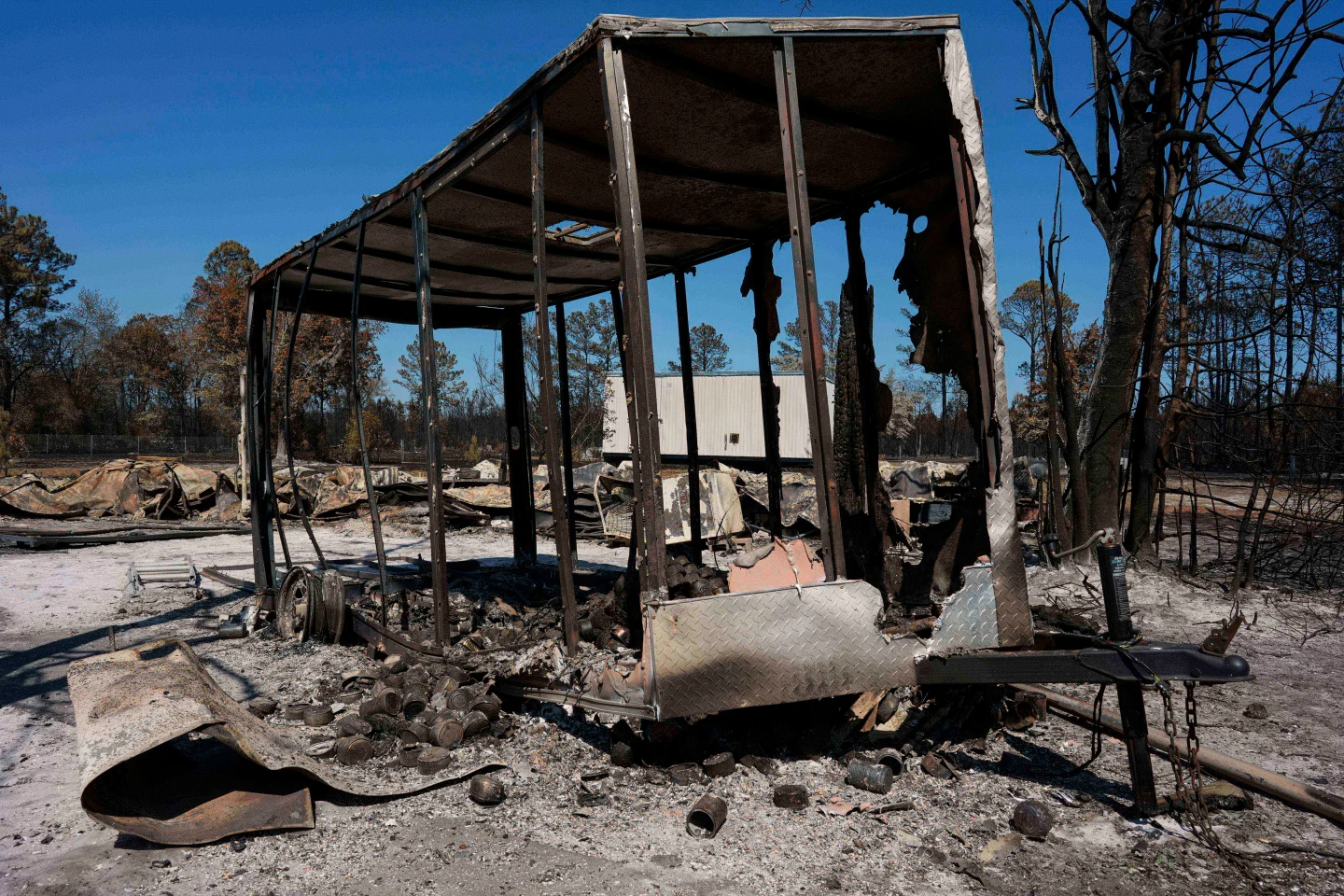
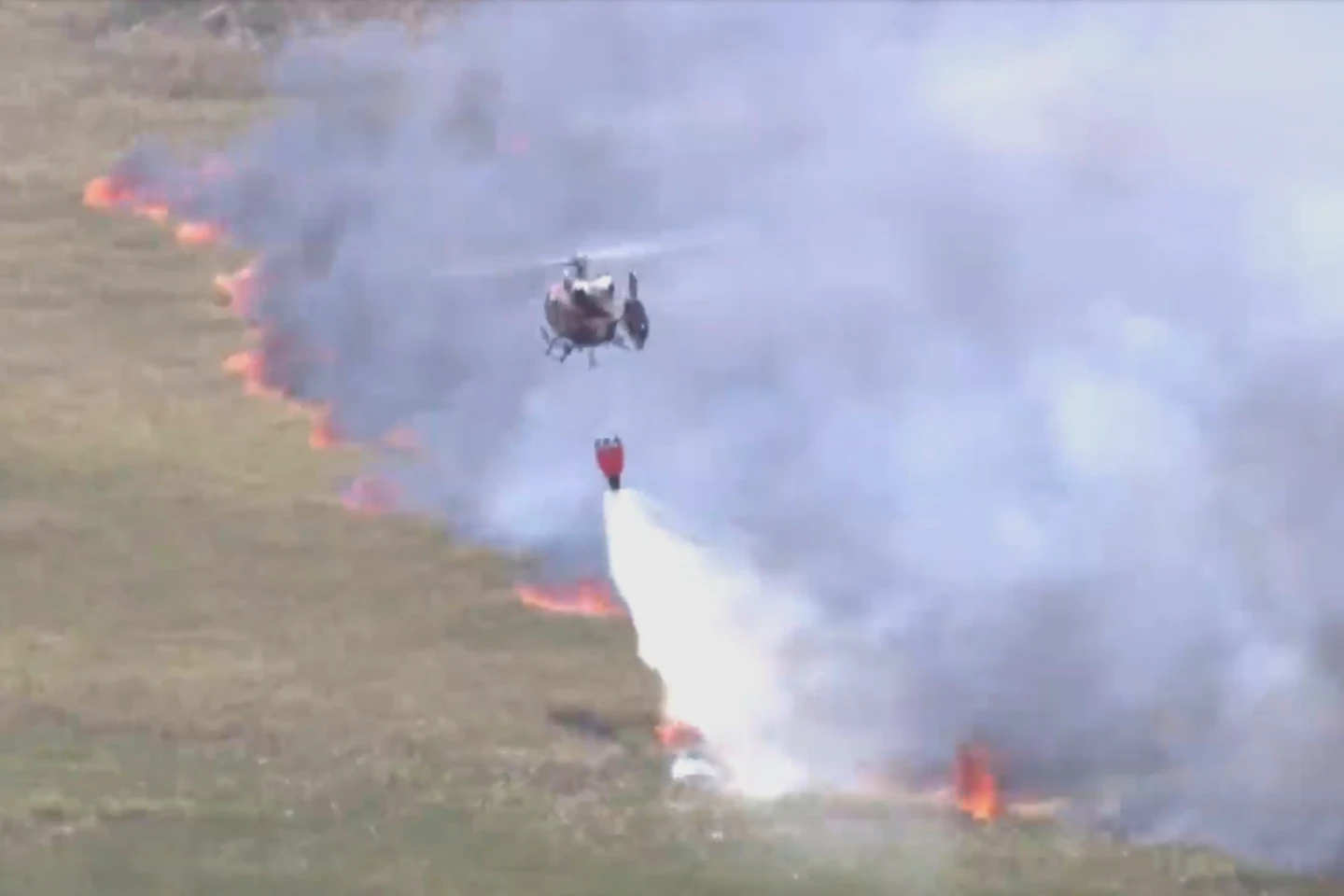
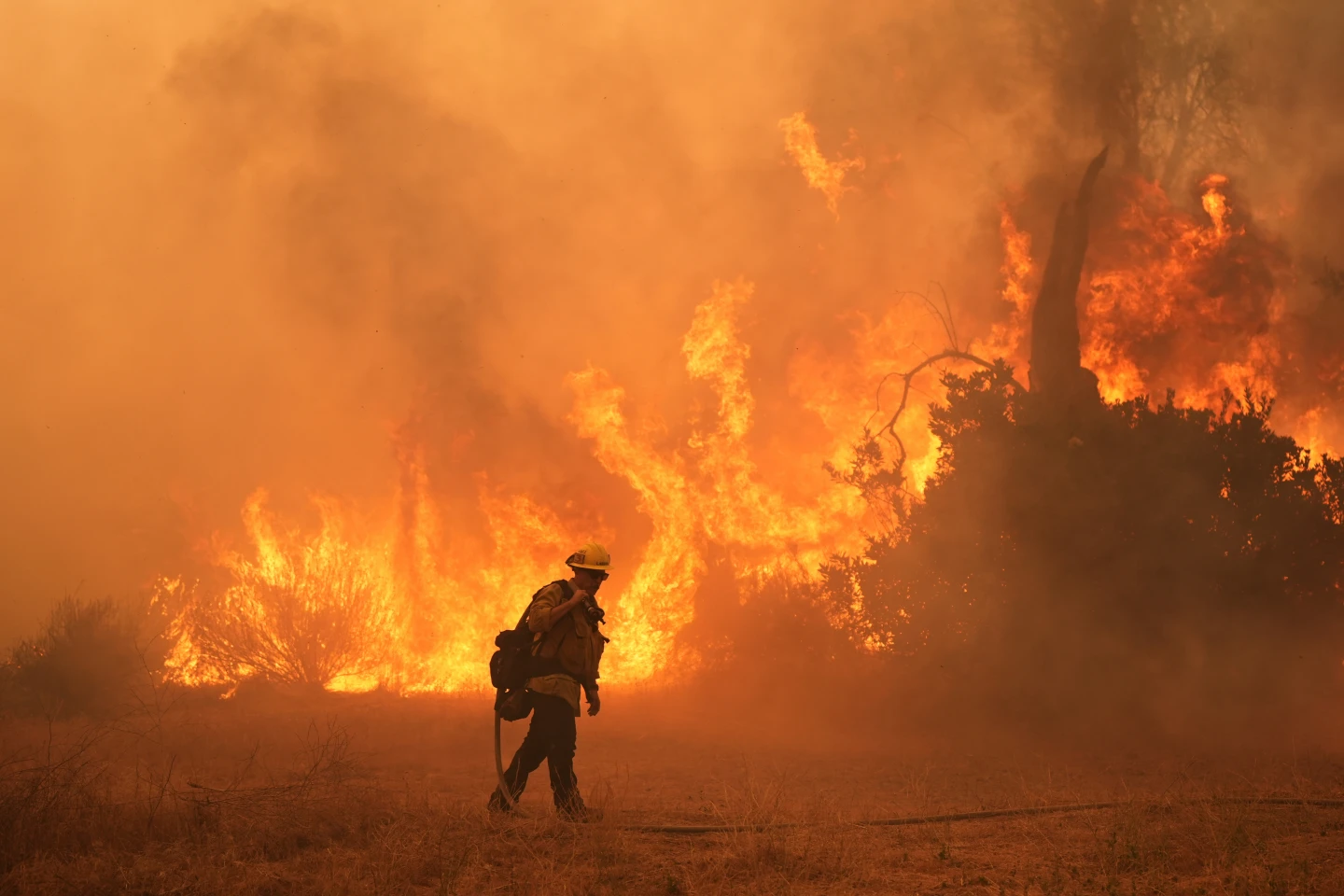
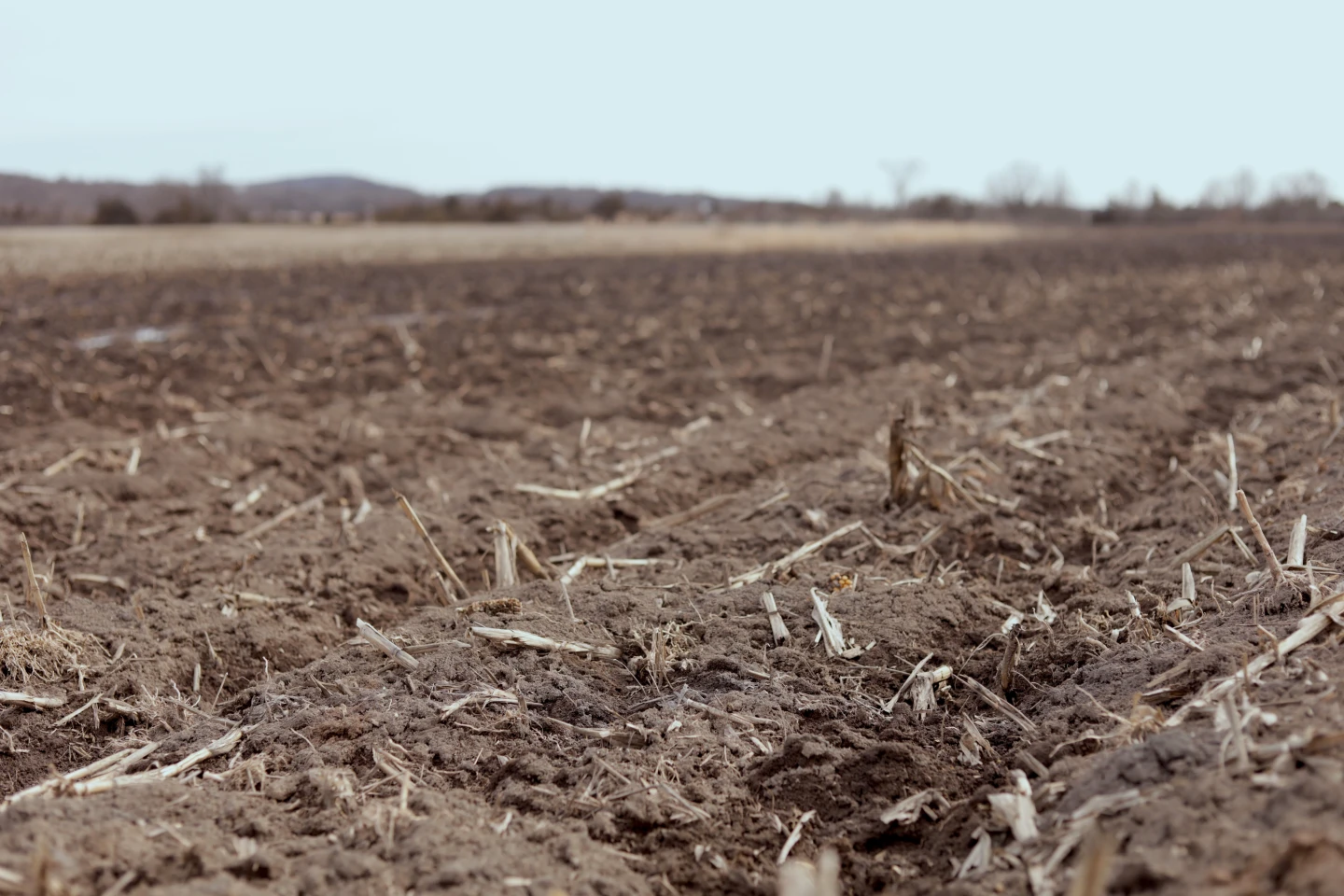
Ultimately, the current snow drought could lead to an early wildfire season as the lack of snow begins to dry out the ground, showcasing further challenges ahead for the region.