In brief
Research conducted by German scientists indicates that as ocean acidification progresses, the structural integrity of shark teeth may diminish due to corrosion. This challenge, along with existing threats like pollution and overfishing, may jeopardize sharks' roles as apex predators.
PORTLAND, Maine (AP) — Sharks are the most feared predators in the sea, and their survival hinges on fearsome teeth that regrow throughout their lives. However, changes in the ocean's chemistry could put these vital weapons at risk.
A study by a team of German scientists has tested the effects of a more acidic ocean on shark teeth, linking human activities such as the burning of fossil fuels to rising ocean acidity. The findings suggest that as oceans become increasingly acidic, sharks' teeth might become structurally weaker, possibly affecting their dominance in the ocean's food chain.
Maximilian Baum, the study's lead author and a marine biologist at Heinrich Heine University Düsseldorf, conveyed concerns over how this could impact sharks, which already face numerous threats including pollution and overfishing. We found there is a corrosion effect on sharks' teeth, he stated, highlighting the broader ecological implications.
Gradual Changes Ahead
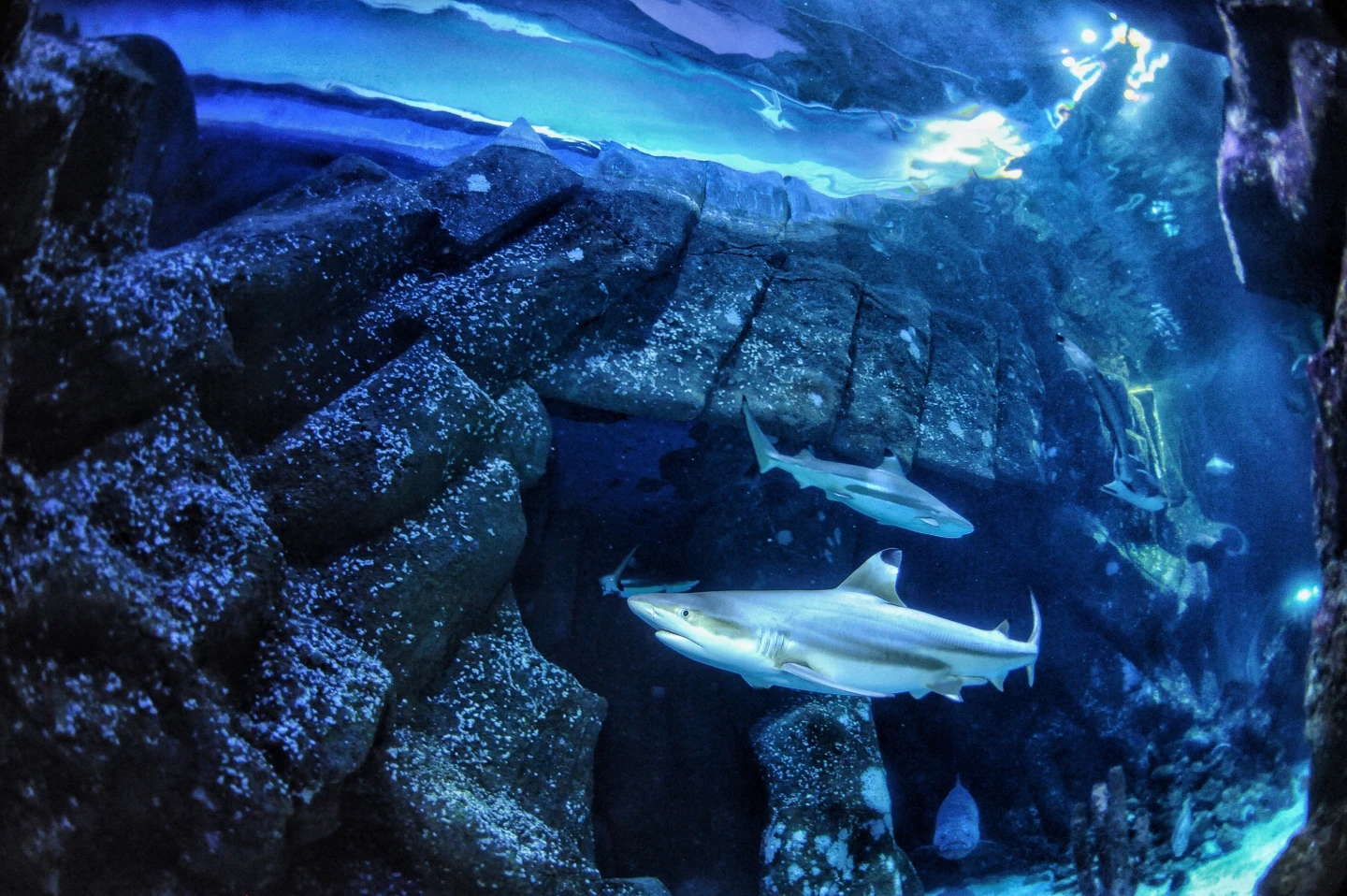
The researchers conducted their study by analyzing over 600 discarded teeth from blacktip reef sharks. They exposed these teeth to water with today's acidity levels and those projected for the year 2300. The results were alarming: the teeth exposed to more acidic water displayed significant damage, including cracks and structural degradation.
As shark teeth are essential for regulating fish and marine mammal populations, the potential weakening of these natural weapons could have severe ecological consequences.
Sharks' Resilience and Ongoing Threats
Despite these findings, experts noted that the evolutionary history of sharks demonstrates their incredible resilience. Nick Whitney, senior scientist at the Anderson Cabot Center for Ocean Life, indicated that because shark teeth develop beneath protective tissue, they may not be immediately affected by changes in ocean chemistry.
Moreover, Gavin Naylor, director of the Florida Program for Shark Research, emphasized that while ocean acidification poses a threat, overfishing remains the most immediate risk to shark populations.
Broader Implications of Ocean Acidification
Ocean acidification is projected to harm various marine organisms, particularly shellfish, as they struggle to form shells. This has potential downstream effects on shark diets, with uncertain impacts. Baum cautions, however, that as some shark species approach extinction, ocean acidification may indeed be a significant contributing factor.
The evolutionary success of sharks is dependent on their perfectly developed teeth, Baum concluded, emphasizing the critical need to address the ongoing threats posed by climate change and oceanic conditions.