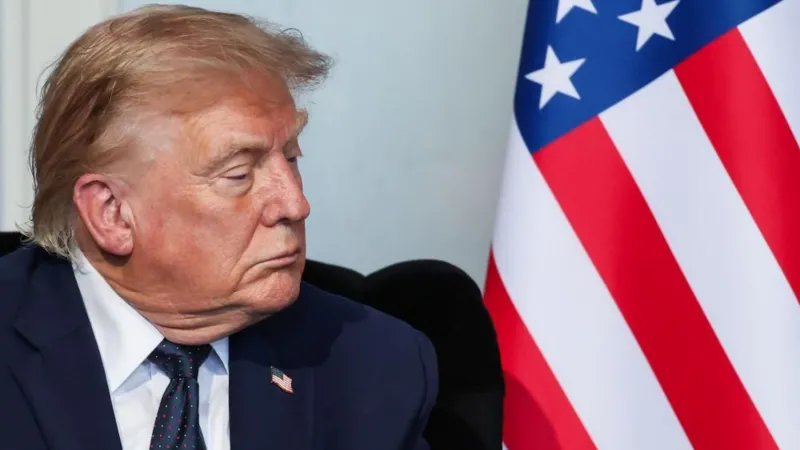
US President Donald Trump framed his sweeping rollback of federal climate change policy on Thursday as a political win over the Democratic Party's 'radical' environmental agenda, reprising a message Republicans have used in past elections and could turn to once again ahead of November's crucial midterms.
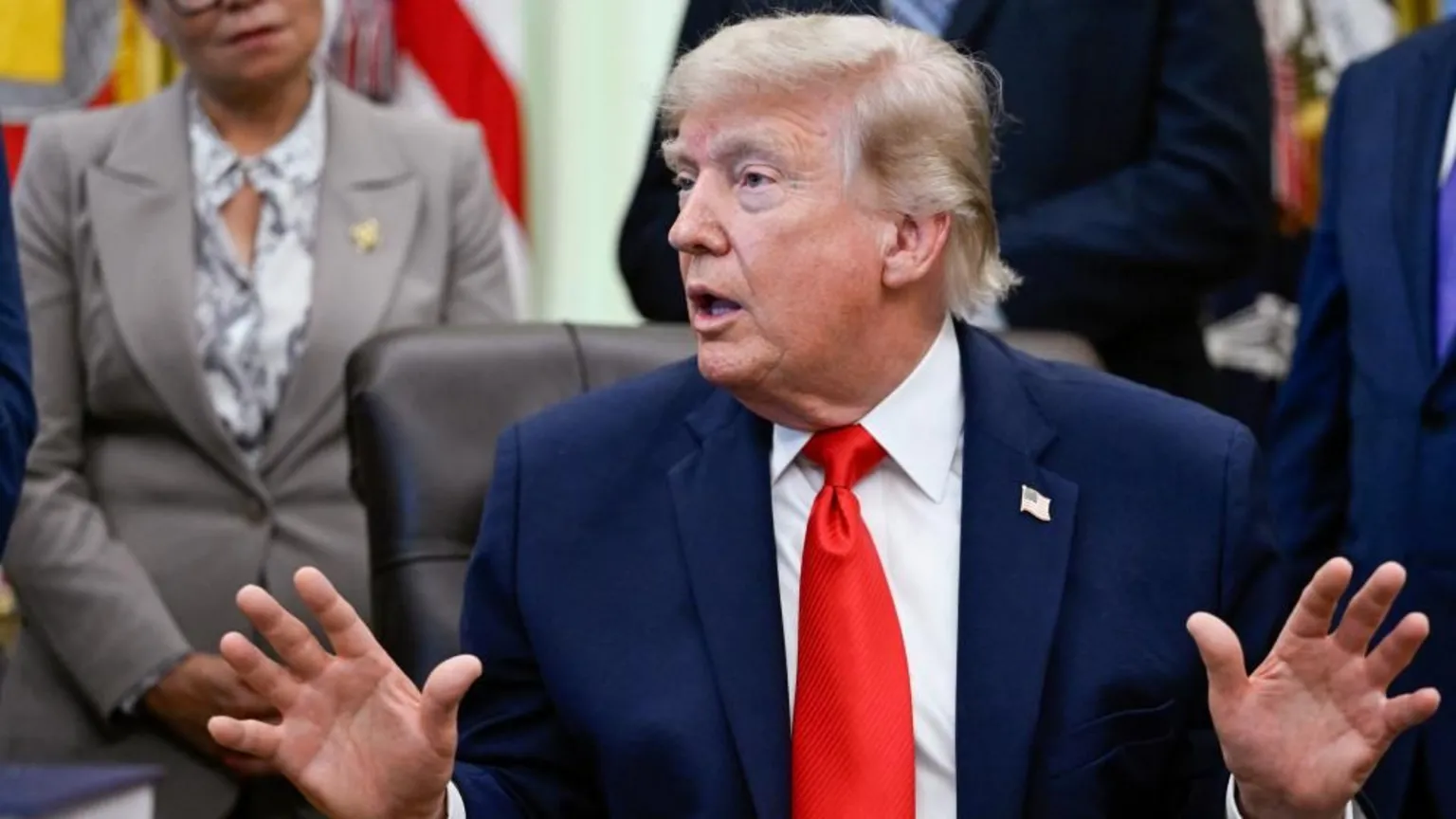
His announcement at the White House was one of the most significant moves of his second term in office. The president said he was revoking an Obama-era 'endangerment finding' from 2009 which held that pollution harms public health and the environment. For almost 17 years, the US has used that scientific finding as the legal basis to establish policies to reduce emissions from cars, power plants and other sources of planet-warming gases.
'This radical rule became the legal foundation for the Green New Scam,' Trump said, using a term popular with Republicans for describing Democratic environmental and climate policies. The move marks the culmination of a decade-long push by Trump to tear up policies that Democrats and many climate experts say are needed to rein in emissions. And it is one of the most far-reaching reversals of American climate policy yet.
Trump, who has called climate change a 'hoax' and a 'con job', dismissed the science underpinning the Obama-era rule in remarks that at times took on the air of a victory lap over his Democratic opponents. It was yet another sign that, for the president, this issue is as much a political one as it is scientific.
He focused on the economic impacts of reversing the endangerment finding, arguing that boosting fossil fuels instead of clean energy would lead to lower energy costs for American consumers. Trump also singled out the US auto industry as a major beneficiary of the change.
He said ending the endangerment finding would do away with an electric vehicle 'mandate' put in place by his predecessor, former President Joe Biden. Under Biden, Congress passed a law to expand the nation's electric vehicle charging network and created tax incentives to lower the cost of EVs, but it did not include any provisions forcing buyers to purchase them.
Lee Zeldin, the administrator of the US Environmental Protection Agency, made the announcement alongside the president and described the 2009 scientific ruling as the 'holy grail of climate change religion'. Both men framed its revocation as an assault on overbearing federal regulations - part of a longtime message from Republicans that bureaucratic red tape is hindering economic growth.
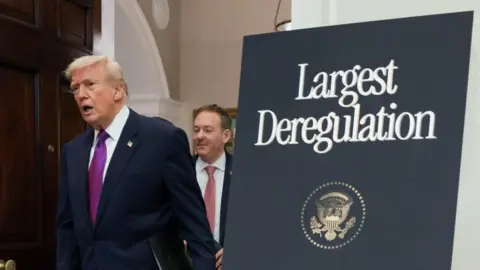
This decision is 'the single largest act of deregulation in the history of the United States of America,' Zeldin said.
The rollback sparked fury among Democrats and environmental groups who said it would wreck the US's ability to combat climate change. 'We'll be less safe, less healthy and less able to fight climate change - all so the fossil fuel industry can make even more money,' former President Barack Obama wrote on social media.
In recent years, climate policy in the US has swung wildly depending on who is occupying the White House. But the announcement on Thursday represented the largest move yet by Trump to dismantle the climate policies put in place by his Democratic predecessors. It also revived a campaign trail fight from the past few national elections, which pitted Trump against Democrats in Congress who backed wide-ranging climate and environmental policies known as the 'Green New Deal'.
Whether the strategy of climate rollbacks can help Republicans pick up votes in the November midterm elections remains to be seen, especially as exit polls show the economy and cost of living frequently rank higher than climate issues in voters' priorities. This could pose a challenge as opinion polls indicate a growing percentage of Americans are worried about global warming, suggesting that Trump's climate record may not resonate well with the electorate.
His announcement at the White House was one of the most significant moves of his second term in office. The president said he was revoking an Obama-era 'endangerment finding' from 2009 which held that pollution harms public health and the environment. For almost 17 years, the US has used that scientific finding as the legal basis to establish policies to reduce emissions from cars, power plants and other sources of planet-warming gases.
'This radical rule became the legal foundation for the Green New Scam,' Trump said, using a term popular with Republicans for describing Democratic environmental and climate policies. The move marks the culmination of a decade-long push by Trump to tear up policies that Democrats and many climate experts say are needed to rein in emissions. And it is one of the most far-reaching reversals of American climate policy yet.
Trump, who has called climate change a 'hoax' and a 'con job', dismissed the science underpinning the Obama-era rule in remarks that at times took on the air of a victory lap over his Democratic opponents. It was yet another sign that, for the president, this issue is as much a political one as it is scientific.
He focused on the economic impacts of reversing the endangerment finding, arguing that boosting fossil fuels instead of clean energy would lead to lower energy costs for American consumers. Trump also singled out the US auto industry as a major beneficiary of the change.
He said ending the endangerment finding would do away with an electric vehicle 'mandate' put in place by his predecessor, former President Joe Biden. Under Biden, Congress passed a law to expand the nation's electric vehicle charging network and created tax incentives to lower the cost of EVs, but it did not include any provisions forcing buyers to purchase them.
Lee Zeldin, the administrator of the US Environmental Protection Agency, made the announcement alongside the president and described the 2009 scientific ruling as the 'holy grail of climate change religion'. Both men framed its revocation as an assault on overbearing federal regulations - part of a longtime message from Republicans that bureaucratic red tape is hindering economic growth.
This decision is 'the single largest act of deregulation in the history of the United States of America,' Zeldin said.
The rollback sparked fury among Democrats and environmental groups who said it would wreck the US's ability to combat climate change. 'We'll be less safe, less healthy and less able to fight climate change - all so the fossil fuel industry can make even more money,' former President Barack Obama wrote on social media.
In recent years, climate policy in the US has swung wildly depending on who is occupying the White House. But the announcement on Thursday represented the largest move yet by Trump to dismantle the climate policies put in place by his Democratic predecessors. It also revived a campaign trail fight from the past few national elections, which pitted Trump against Democrats in Congress who backed wide-ranging climate and environmental policies known as the 'Green New Deal'.
Whether the strategy of climate rollbacks can help Republicans pick up votes in the November midterm elections remains to be seen, especially as exit polls show the economy and cost of living frequently rank higher than climate issues in voters' priorities. This could pose a challenge as opinion polls indicate a growing percentage of Americans are worried about global warming, suggesting that Trump's climate record may not resonate well with the electorate.