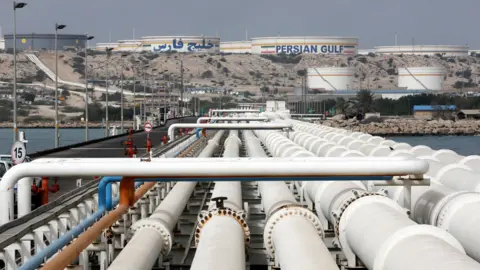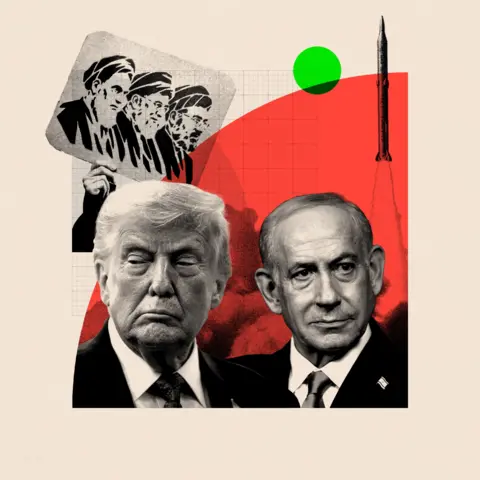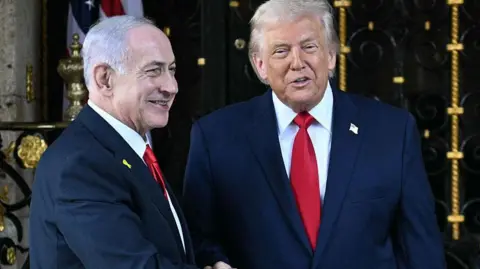
President Donald Trump will host Israeli Prime Minister Benjamin Netanyahu at the White House on Wednesday, as tensions continue to rise across the Middle East and negotiations intensify over curbing Iran's nuclear weapons programme.
Netanyahu is expected to press Trump to pursue a deal that would halt Iran's uranium enrichment, and rein in its support for proxy groups like Hamas and Hezbollah. I will present to the president our outlook regarding the principles of these negotiations, Netanyahu told reporters before leaving for the US.
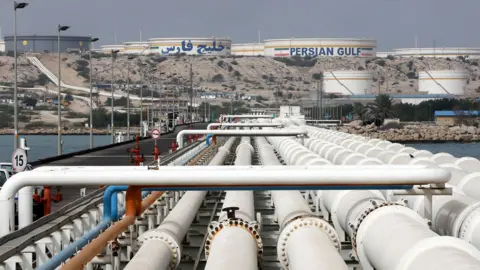
Iran has said it will not limit uranium enrichment unless Western nations scale back sanctions that have severely strained its economy. Netanyahu's visit marks his sixth trip to the US since Trump's return to office - more than any other world leader.
A close Trump ally, Netanyahu has long argued that Iran represents an existential security threat to Israel and has pushed the US to curb Tehran's influence in the region. The Prime Minister believes that any negotiations must include limiting ballistic missiles and ending support for the Iranian axis, Netanyahu's office said in a statement ahead of his trip.
The visit comes as the US increases its military presence in the Middle East, with Trump warning Tehran of action if it fails to strike a nuclear deal.
On Tuesday, the president indicated he was thinking about sending a second aircraft carrier strike group to the region. The USS Abraham Lincoln aircraft carrier was sent to the area last month after Trump threatened to strike Iran to stop a government crackdown on protests.
Israeli officials have stated that the country reserves the right to take military action against Iran if it doesn't reach a nuclear agreement with the US. Netanyahu is under pressure from his far-right government to leverage his alliance with Trump for a comprehensive US-Iran deal that addresses Israeli security concerns.
Concerns among Israeli officials include the potential for the US to rush into a deal that does not sufficiently tackle Iran's missile program or its support for proxy groups. Despite heightened rhetoric, some analysts believe Trump is hesitant to engage in direct military conflict with Iran, especially leading into an election year.
Meanwhile, the visit also coincides with ongoing negotiations between Israel and Hamas about the next steps of their ceasefire agreement in Gaza, further emphasizing the complex and intertwined nature of regional diplomacy.