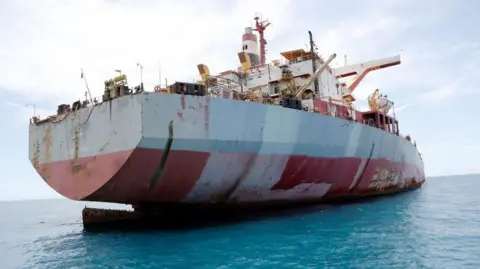
Over the past year, there has been a significant increase in the abandonment of oil tankers and other commercial vessels worldwide. This rise has prompted questions about the underlying causes and the human impact on seafarers left stranded.
One such seafarer, 'Ivan' (not his real name), shared his harrowing experience aboard an abandoned oil tanker off the coast of China. Ivan, a senior deck officer, described dire conditions, stating, We had a shortage of meat, grain, fish—simple things for survival. It's affected our health and our operational atmosphere. The crew was hungry, the crew was angry, and we tried to survive only day-by-day.
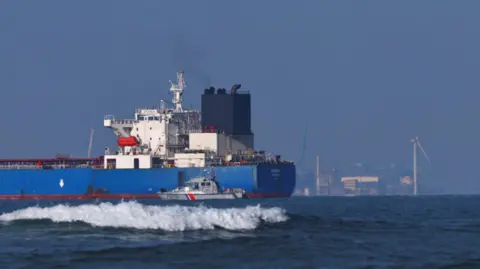
Ivan's ship, laden with approximately 750,000 barrels of Russian crude oil valued at around $50 million, was reported abandoned by the International Transport Workers' Federation (ITF) after crew members hadn’t been paid for months. With no access to ports, the ship remains in international waters amid scrutiny over its legal status.
The ITF intervened to secure wage payments for Ivan and his colleagues and facilitate the delivery of essential supplies like food and water to the stranded crew, although many remain onboard. 2025 saw a dramatic increase in ship abandonments, skyrocketing from 20 in 2016 to 410 last year, with geopolitical instability, ongoing conflicts, and the COVID-19 pandemic contributing to these figures.
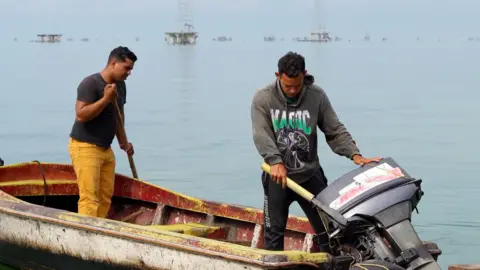
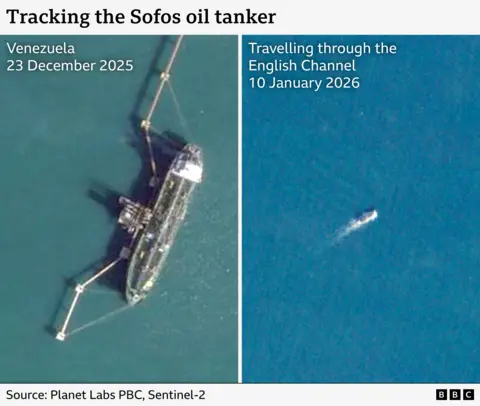
This surge can also be linked to the emergence of 'shadow fleets'—aging ships often registered under flags of convenience to evade regulatory oversight. This phenomenon permits vessels to evade sanctions while assisting countries like Russia, Iran, and Venezuela in exporting crude oil despite international restrictions.
Under these conditions, the safety of crew members like Ivan is continually jeopardized. Experts emphasize the necessity for a genuine link between ship owners and the flagged nations, highlighting the need for reforms in international maritime law. Meanwhile, those affected by abandonment—like Ivan—are increasingly aware of the risks, stating future decisions would include thorough investigations into the vessels they intend to join.
The plight of abandoned seafarers underlines the urgent need for international collaboration to safeguard their rights and well-being in a maritime industry fraught with challenges.