How does an authoritarian regime die? As Ernest Hemingway famously said about going broke – gradually then suddenly.
The protesters in Iran and their supporters abroad were hoping that the Islamic regime in Tehran was at the suddenly stage. The signs are, if it is dying, it is still at gradual.
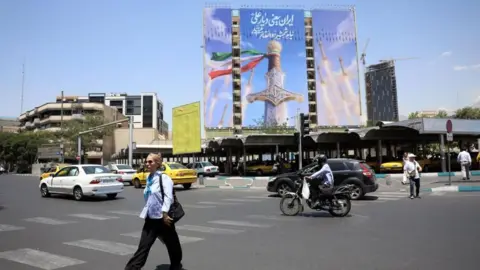
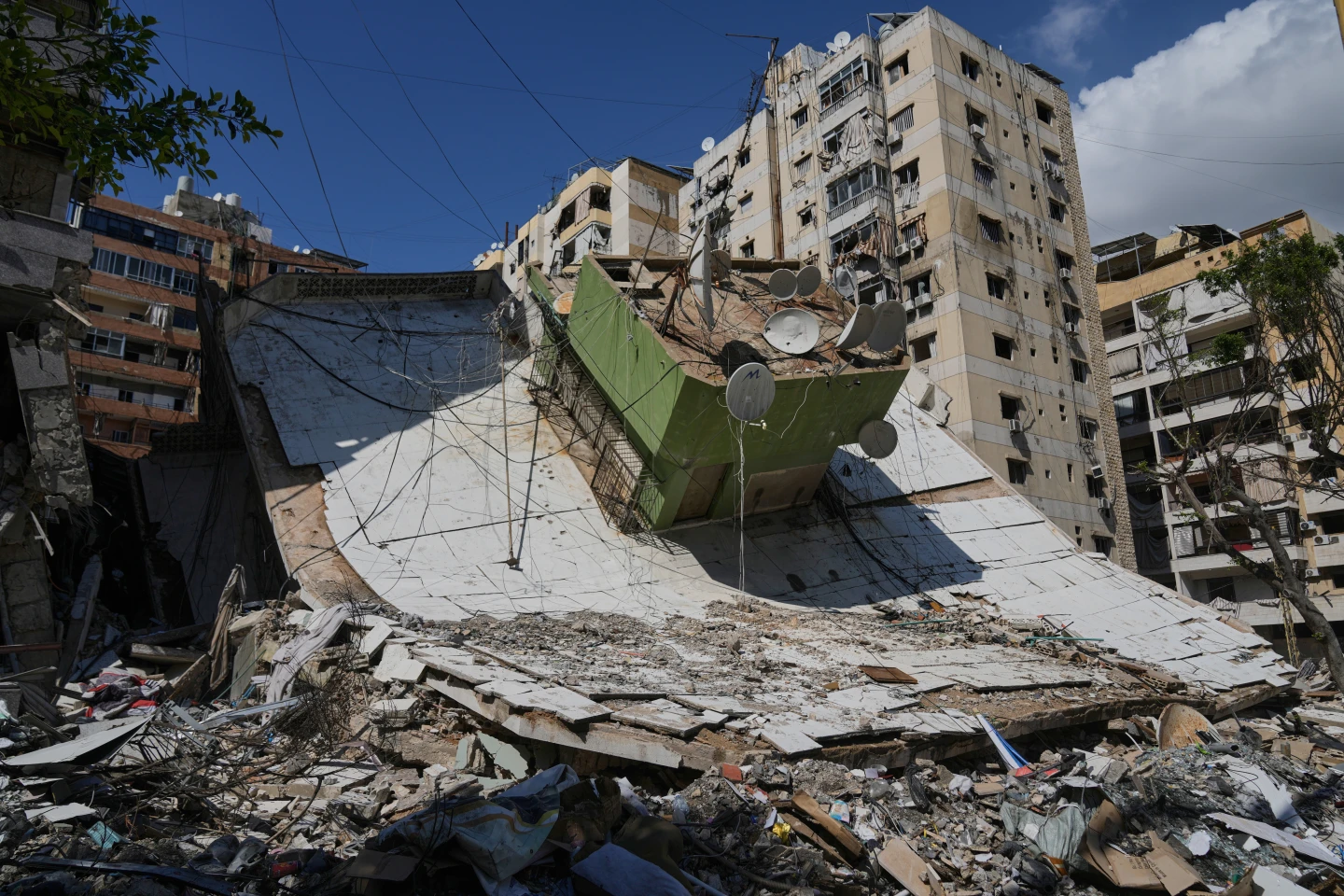
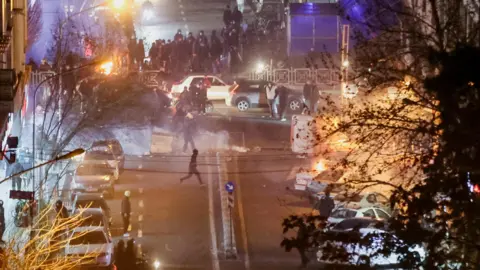
The last two weeks of unrest add up to a big crisis for the regime. Iranian anger and frustration have exploded into the streets before, but the latest explosion comes on top of all the military blows inflicted on Iran in the last two years by the US and Israel.
But more significant for hard-pressed Iranians struggling to feed their families has been the impact of sanctions.
In the latest blow for the Iranian economy, all the UN sanctions lifted under the now dead 2015 nuclear deal were reimposed by the UK, Germany and France in September. In 2025 food price inflation was more than 70%. The currency, the rial, reached a record low in December.
While the Iranian regime is under huge pressure, the evidence indicates it's not about to collapse.
Crucially, the security forces remain loyal. Since the Islamic revolution in 1979 the Iranian authorities have invested heavily in a ruthless network of coercion and repression.
In the last two weeks, the regime's forces obeyed orders to shoot their fellow citizens in the streets. The result is that the demonstrations of recent weeks have waned—with reports being limited due to a communications blackout.
At the forefront of the suppression of protest is the Iranian Revolutionary Guards Corps (IRGC), which defends the ideology and system of government established by the 1979 Islamic revolution. The IRGC is estimated to have around 150,000 personnel, operating parallel to Iran's conventional military.
The IRGC's power, money, and ideological commitment to the regime ensure it will resist change.
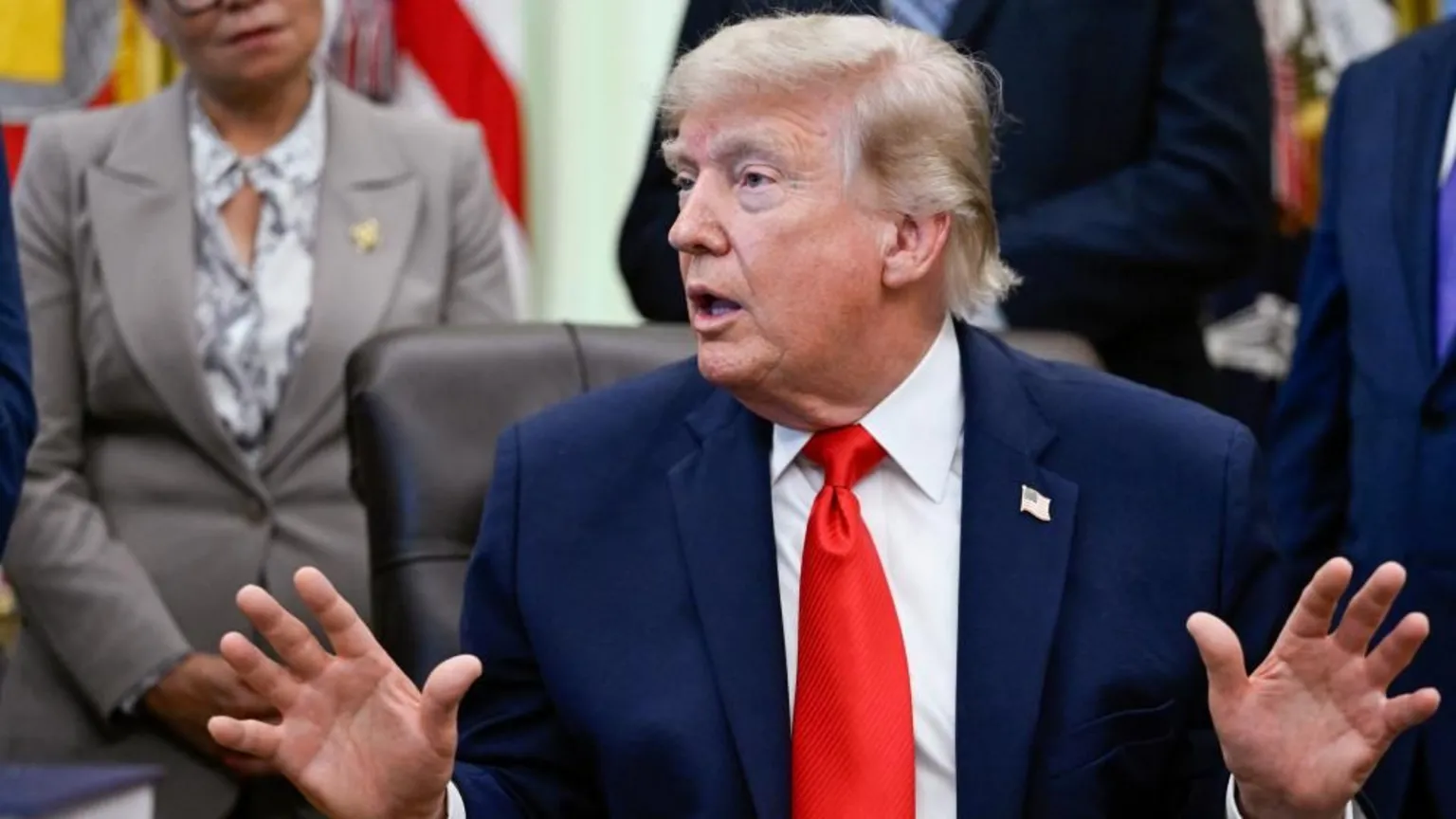
The seeming resilience of the internal security forces does not mean that the supreme leader or his lieutenants can afford to relax their grip. US President Donald Trump remains a considerable pressure point, further intensified by social unrest within Iran.
Despite the significant challenges, Tehran’s leadership continues to seek negotiation as a means to stabilize their position, particularly concerning nuclear policies and foreign opposition.
In this volatile environment, coherent opposition within Iran remains stymied, lacking a unified leadership. Historical contexts, such as the abrupt demise of other regimes, linger in the background, raising the question of whether a sudden shift might eventually emerge in Iran.
Nonetheless, current indicators suggest that while the regime is gradually crumbling under pressure, a sudden collapse is not on the immediate horizon.