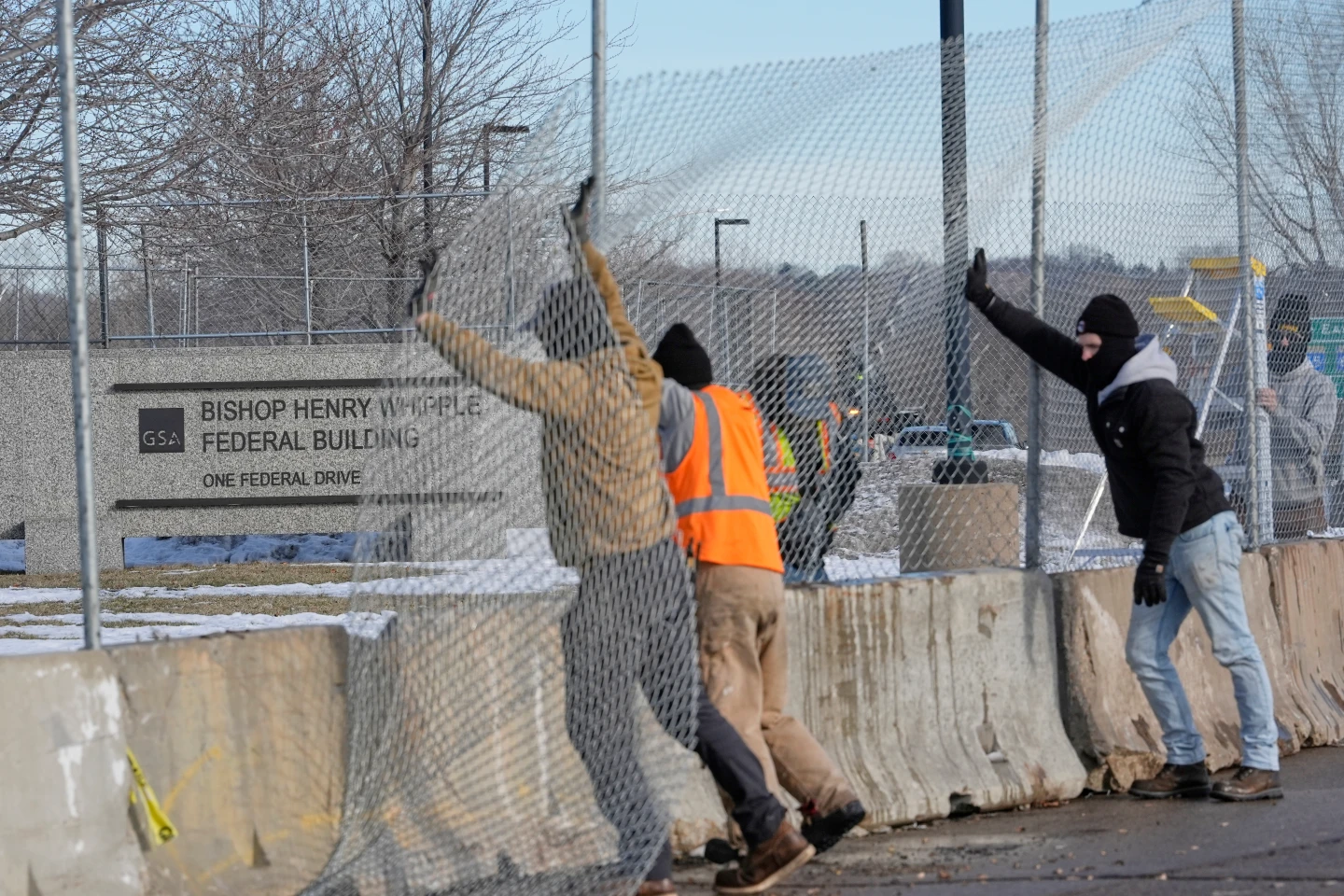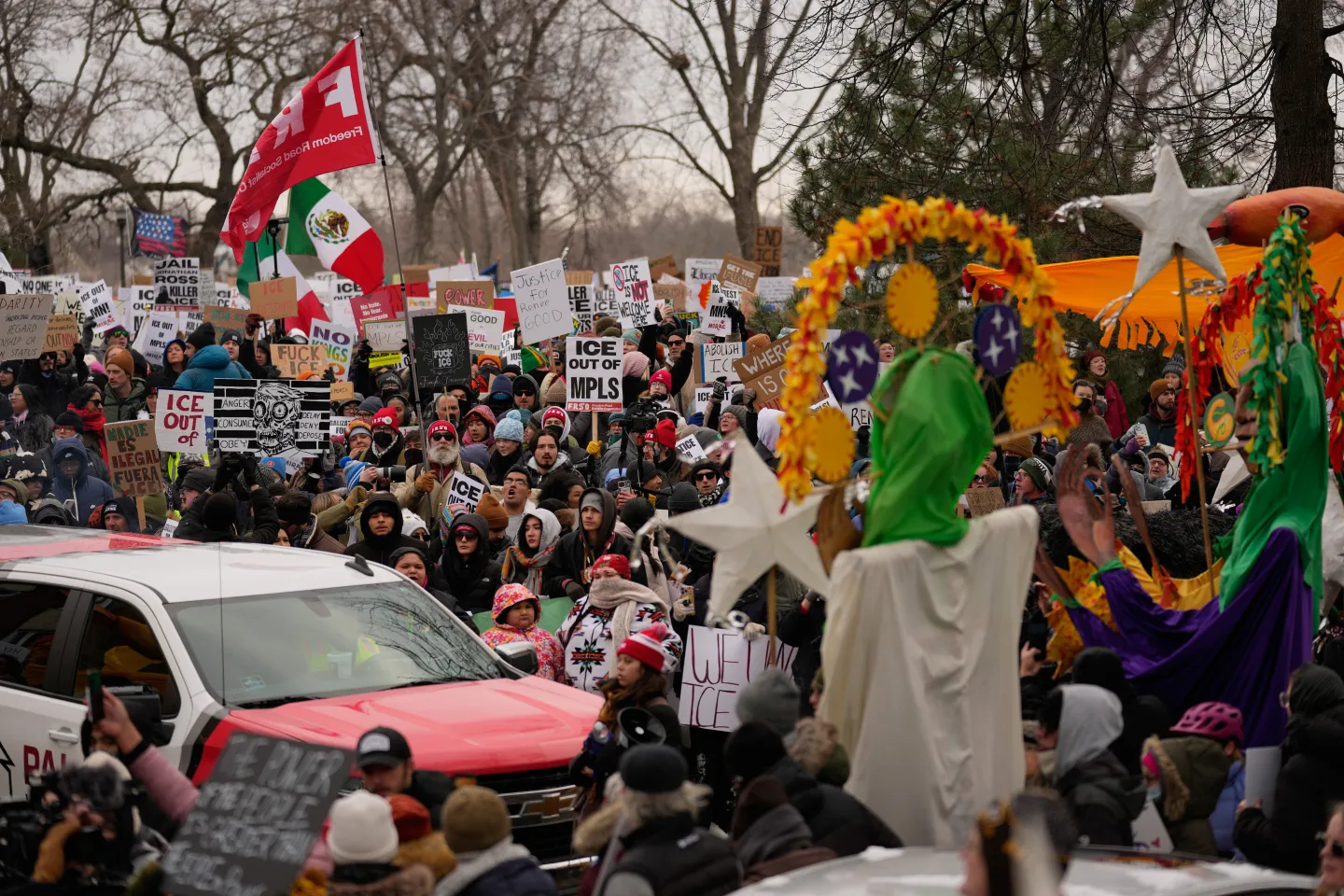
As the Trump administration intensifies immigration enforcement nationwide, high-profile arrests—frequently occurring at private residences and businesses—have brought forth a critical legal question: When can federal immigration agents legally enter private property to make arrests? This issue has been magnified in cities like Minneapolis, where federal agents are active amid protests and heightened tensions. The legal distinction between administrative warrants, typically used in immigration arrests, and judicial warrants, which allow for forced entry, is at the heart of the debate. Administrative warrants do not grant immigration agents authority to forcibly enter private homes without consent, a crucial point that some agents appear to be overlooking amid the administration's aggressive enforcement. Legal experts emphasize that understanding this distinction is vital for the community as confrontations between ICE agents and protesters escalate.
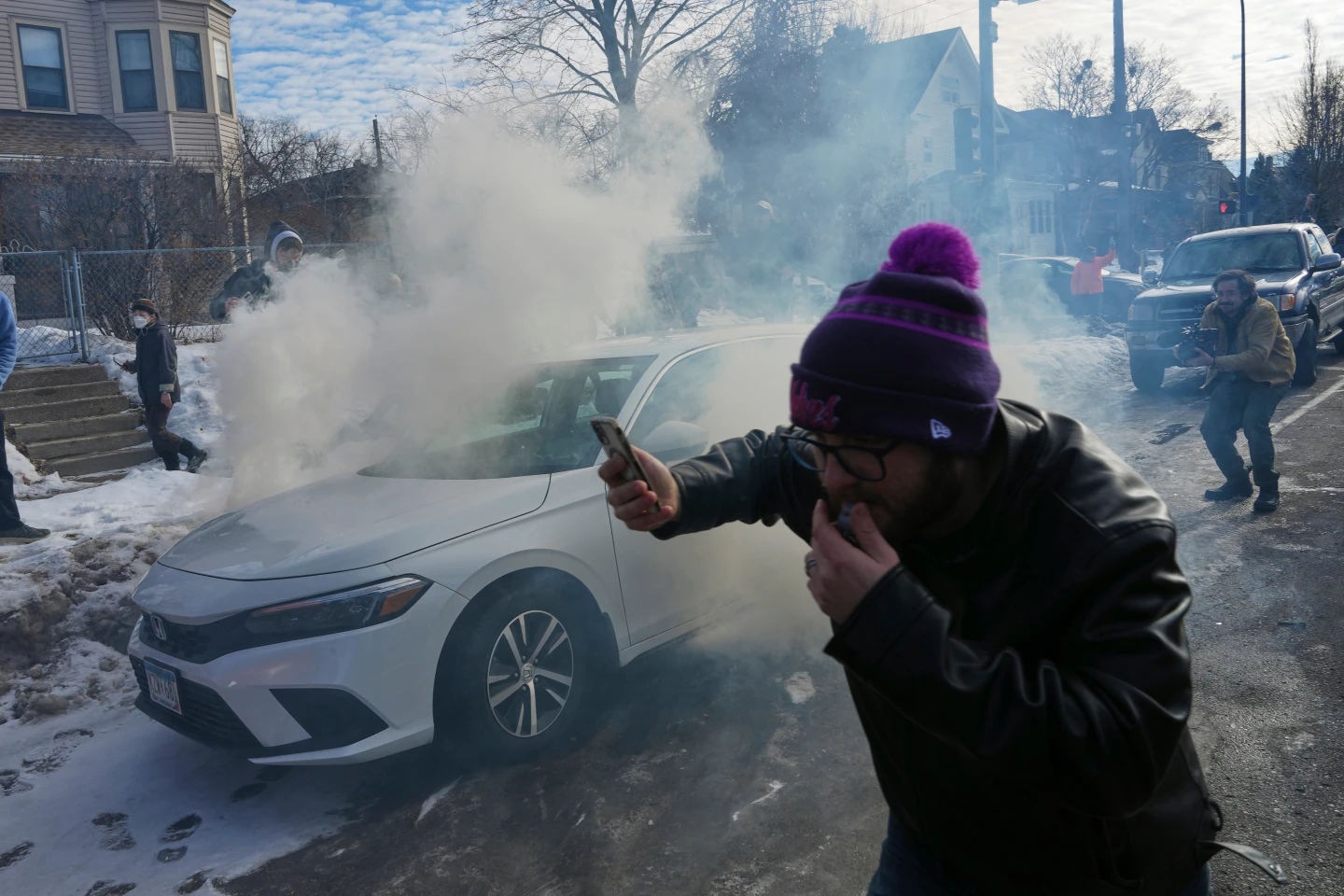
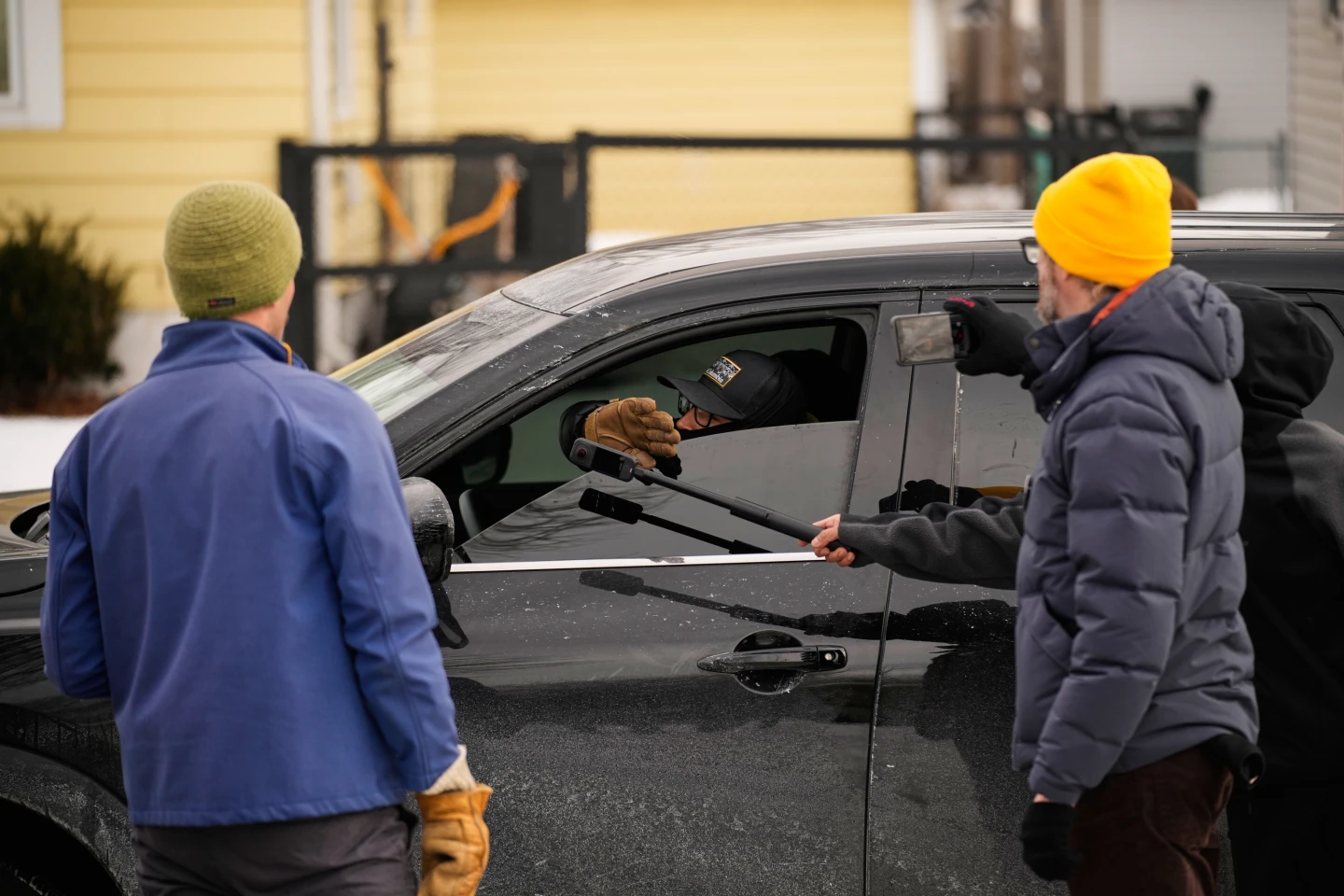
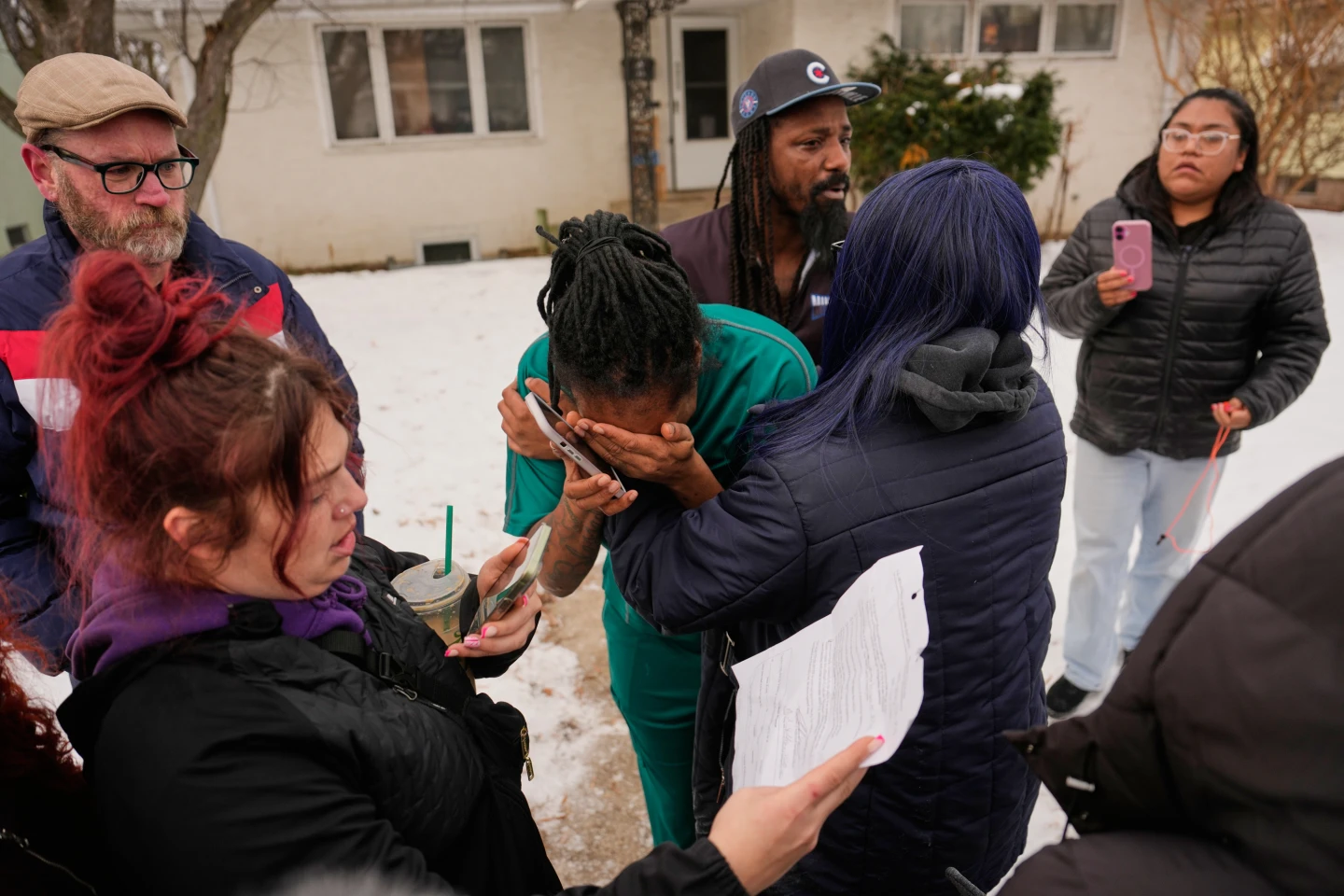
In a recent incident in Minneapolis, immigration agents reportedly executed an arrest based on an administrative warrant, igniting conflict with protesters and prompting questions about the legality of the agents' entry without a judge’s authorization. DHS officials have defended their actions, referring to the targeted individual’s criminal history but providing little detail on the legal justification for their tactics.
Experts and advocates warn of the potential consequences for agents who breach legal protocols when entering private property. Given the complex legal framework governing immigration enforcement, there is a rising emphasis on community education regarding rights in encounters with federal agents. Know-your-rights campaigns aim to inform residents about their legal protections, emphasizing that individuals can refuse entry to agents without judicial authorization. As awareness grows, so do concerns about the pervasive implications of illegal arrests for immigrant communities in the current political climate.
In a recent incident in Minneapolis, immigration agents reportedly executed an arrest based on an administrative warrant, igniting conflict with protesters and prompting questions about the legality of the agents' entry without a judge’s authorization. DHS officials have defended their actions, referring to the targeted individual’s criminal history but providing little detail on the legal justification for their tactics.
Experts and advocates warn of the potential consequences for agents who breach legal protocols when entering private property. Given the complex legal framework governing immigration enforcement, there is a rising emphasis on community education regarding rights in encounters with federal agents. Know-your-rights campaigns aim to inform residents about their legal protections, emphasizing that individuals can refuse entry to agents without judicial authorization. As awareness grows, so do concerns about the pervasive implications of illegal arrests for immigrant communities in the current political climate.