As anti-government protests intensify across Iran, medical facilities in major cities, including Tehran, are facing overwhelming challenges in treating a burgeoning number of casualties. A medic from a Tehran hospital reported that there were direct shots to the heads and hearts of young protestors, leading to a swift influx of patients with gunshot wounds. Over a dozen casualties have been reported, especially among the youth, reflecting the protesters' demographic.
A crisis has gripped hospitals, with one doctor stating that non-emergency surgeries have been postponed in anticipation of incoming emergency cases. Reports confirm that hospitals are at or above capacity, with bodies being stacked in inappropriate places due to lack of storage space. The conditions describe a grim reality as efforts to provide care become increasingly strained.
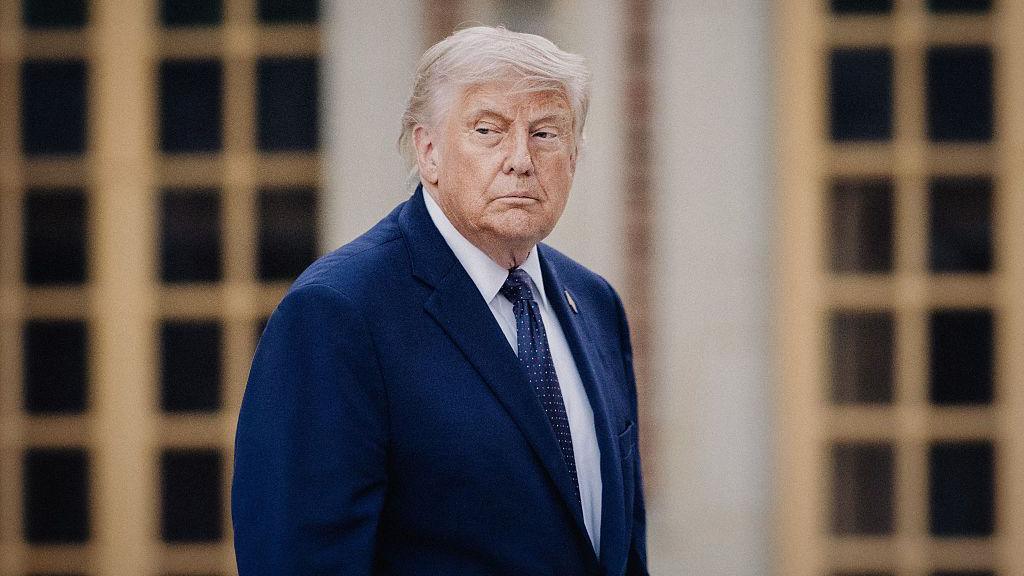
Authorities in Tehran maintain that their use of force is a response to violent acts during demonstrations, while protests have spread to over 100 cities, fueled by discontent with the government and economic hardship. U.S. President Trump has echoed the importance of freedom for Iranians amidst the chaos, stating that the United States is prepared to step in if necessary.
Despite denials of any fatalities from the Iranian police, eyewitness accounts and hospital reports suggest a starkly different reality. The protests, which began as a reaction to economic troubles, highlight the growing frustration among the Iranian populace, with widespread calls for reform gaining traction.
As international scrutiny increases, Iranian leaders remain resolute, attributing unrest to foreign interference. Analysts warn that without a clear opposition framework, the potential for change remains uncertain, although the passion and determination of those protesting signify a shift in public sentiment against the regime.
A crisis has gripped hospitals, with one doctor stating that non-emergency surgeries have been postponed in anticipation of incoming emergency cases. Reports confirm that hospitals are at or above capacity, with bodies being stacked in inappropriate places due to lack of storage space. The conditions describe a grim reality as efforts to provide care become increasingly strained.
Authorities in Tehran maintain that their use of force is a response to violent acts during demonstrations, while protests have spread to over 100 cities, fueled by discontent with the government and economic hardship. U.S. President Trump has echoed the importance of freedom for Iranians amidst the chaos, stating that the United States is prepared to step in if necessary.
Despite denials of any fatalities from the Iranian police, eyewitness accounts and hospital reports suggest a starkly different reality. The protests, which began as a reaction to economic troubles, highlight the growing frustration among the Iranian populace, with widespread calls for reform gaining traction.
As international scrutiny increases, Iranian leaders remain resolute, attributing unrest to foreign interference. Analysts warn that without a clear opposition framework, the potential for change remains uncertain, although the passion and determination of those protesting signify a shift in public sentiment against the regime.