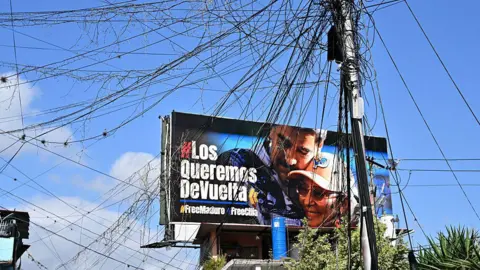
The Venezuelan government has started releasing detainees considered political prisoners by human rights groups, in what officials described as a goodwill gesture.
Spain's foreign ministry reported that five of its nationals had been released, including prominent Venezuelan-Spanish rights activist Rocío San Miguel, confirmed by her family to U.S. media.
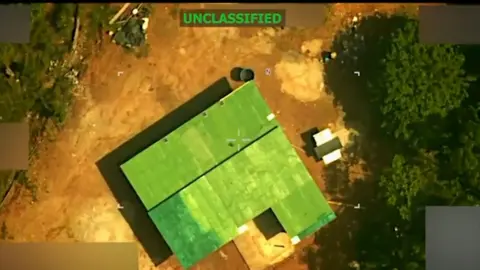
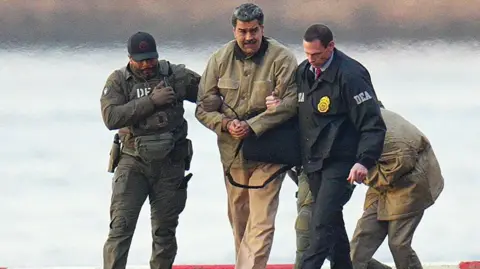
This decision follows the U.S. seizure of Venezuela’s President Nicolás Maduro in a raid on Caracas to face drug trafficking charges in New York.
U.S. President Donald Trump expressed approval on social media, stating the release was a very important and smart gesture from Venezuela, asserting it signaled the country’s move towards peace.
Trump indicated that the releases were a factor in his decision to cancel anticipated further sanctions against Venezuela.
Jorge Rodríguez, head of Venezuela's National Assembly, announced on state television that a significant number of prisoners would be released, but did not reveal specifics about those detained.
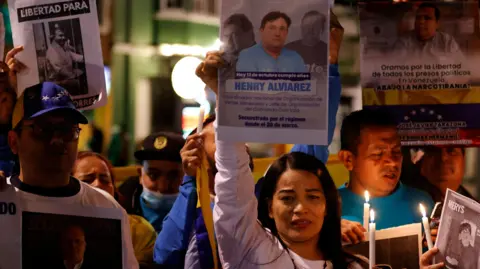
Despite the optimism, hundreds of political prisoners remain incarcerated, igniting skepticism among human rights organizations, which urge caution regarding the motives behind these releases.
San Miguel’s release was especially notable; she had been accused of involvement in a plot against Maduro and faced serious charges including treason. Her case has drawn international outrage, particularly regarding the principle of enforced disappearance.
Rights groups, while welcoming the news, caution that the situation of political prisoners in Venezuela remains dire, with widespread allegations of mistreatment and torture in facilities like El Helicoide, where many political prisoners have been held.
Additionally, actions such as the closure of notorious prisons like El Helicoide, suggested by Trump following Maduro’s capture, must not overshadow ongoing human rights violations across Venezuela.