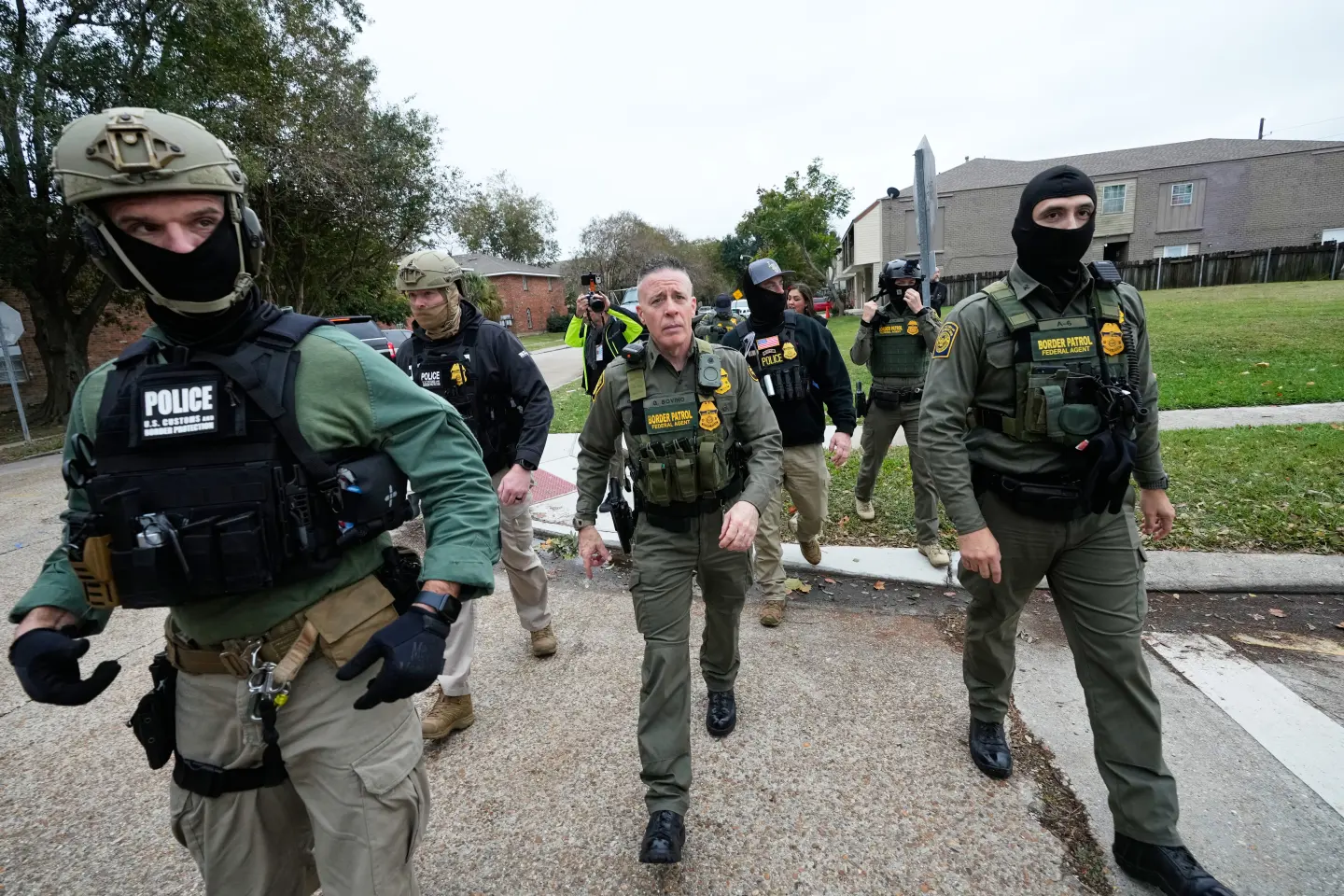
NEW ORLEANS (AP) — In a significant turn of events, federal immigration officers are exiting a controversial operation in Louisiana, known as 'Catahoula Crunch,' after facing widespread protests and criticism, and are relocating to Minneapolis for a robust enforcement push. This abrupt transition from Louisiana, which began with over 200 officers aimed at executing thousands of arrests, reflects the growing tensions around immigration policies implemented by the federal government.
The Catahoula operation, initiated in December, was intended to last until February but quickly raised alarms within immigrant communities, leading to fears and business closures in areas like Kenner, a predominantly Hispanic neighborhood. As of mid-December, reports indicated approximately 370 arrests had been made, a fraction of the 5,000-targeted arrests initially announced.
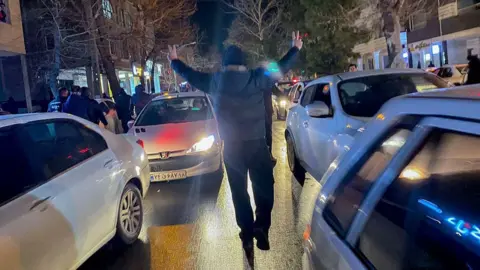
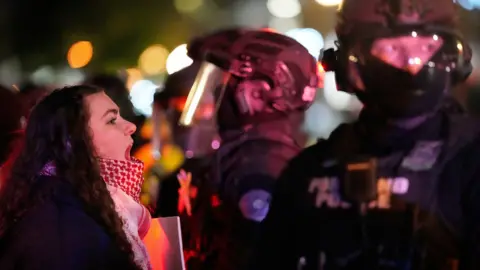
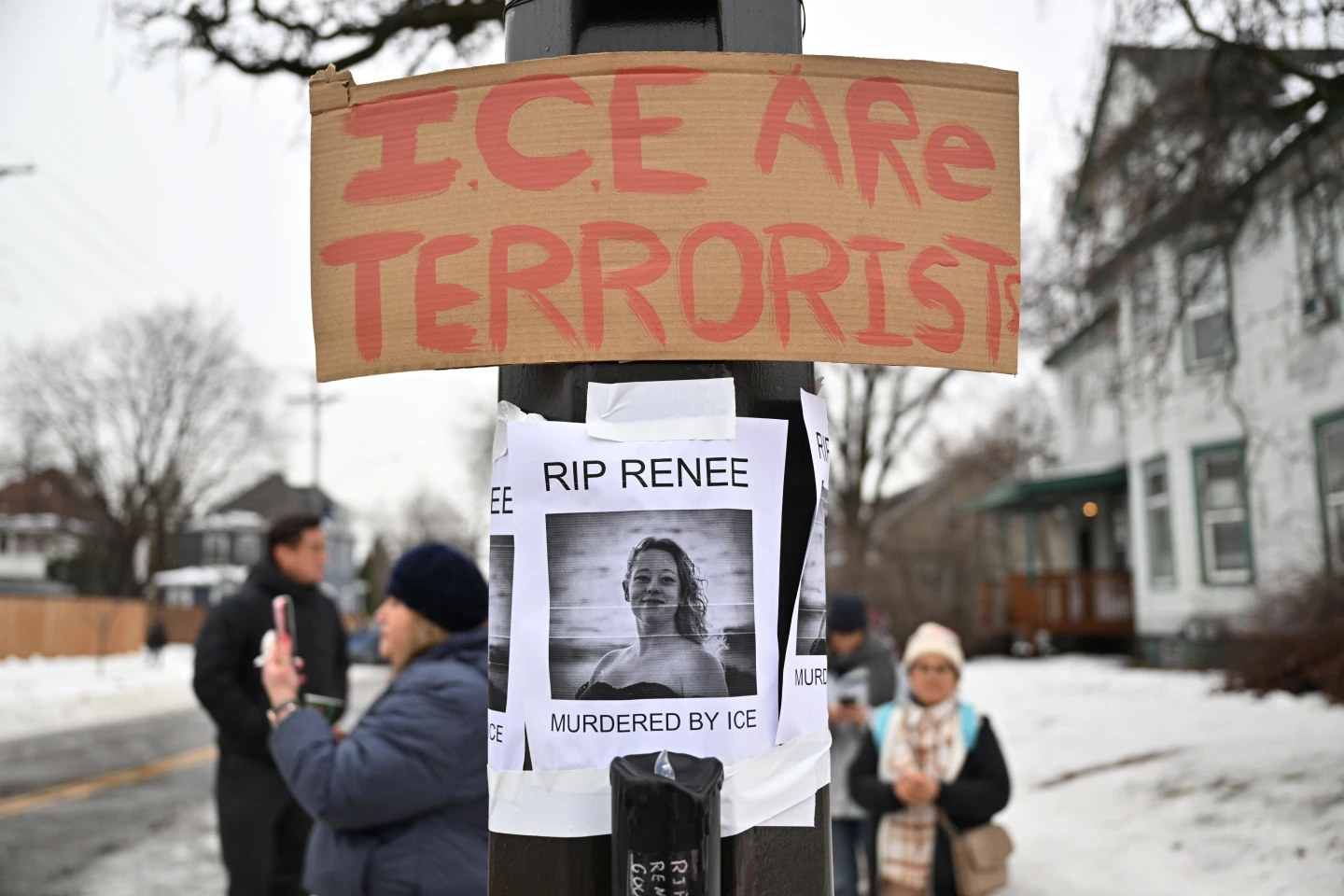
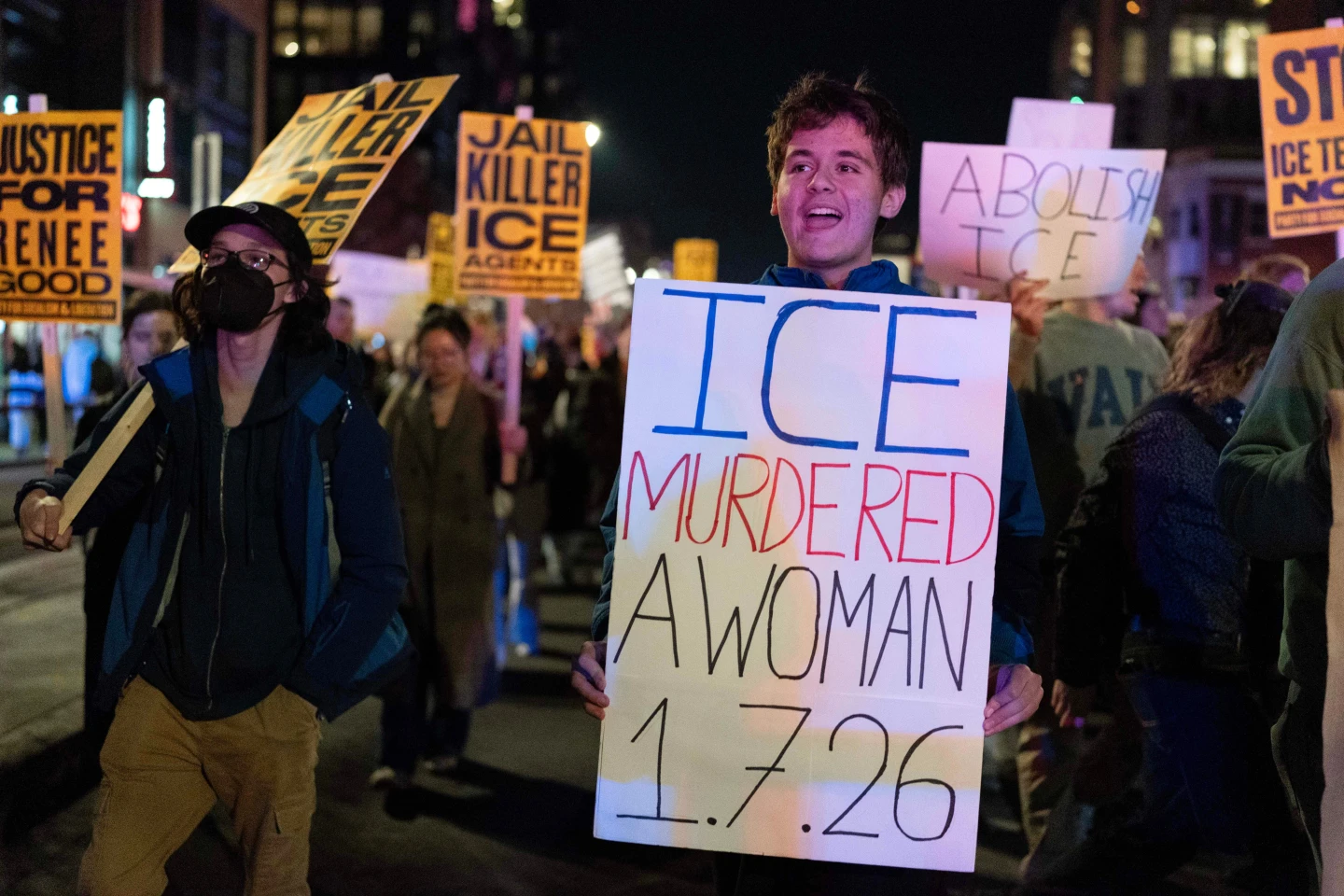
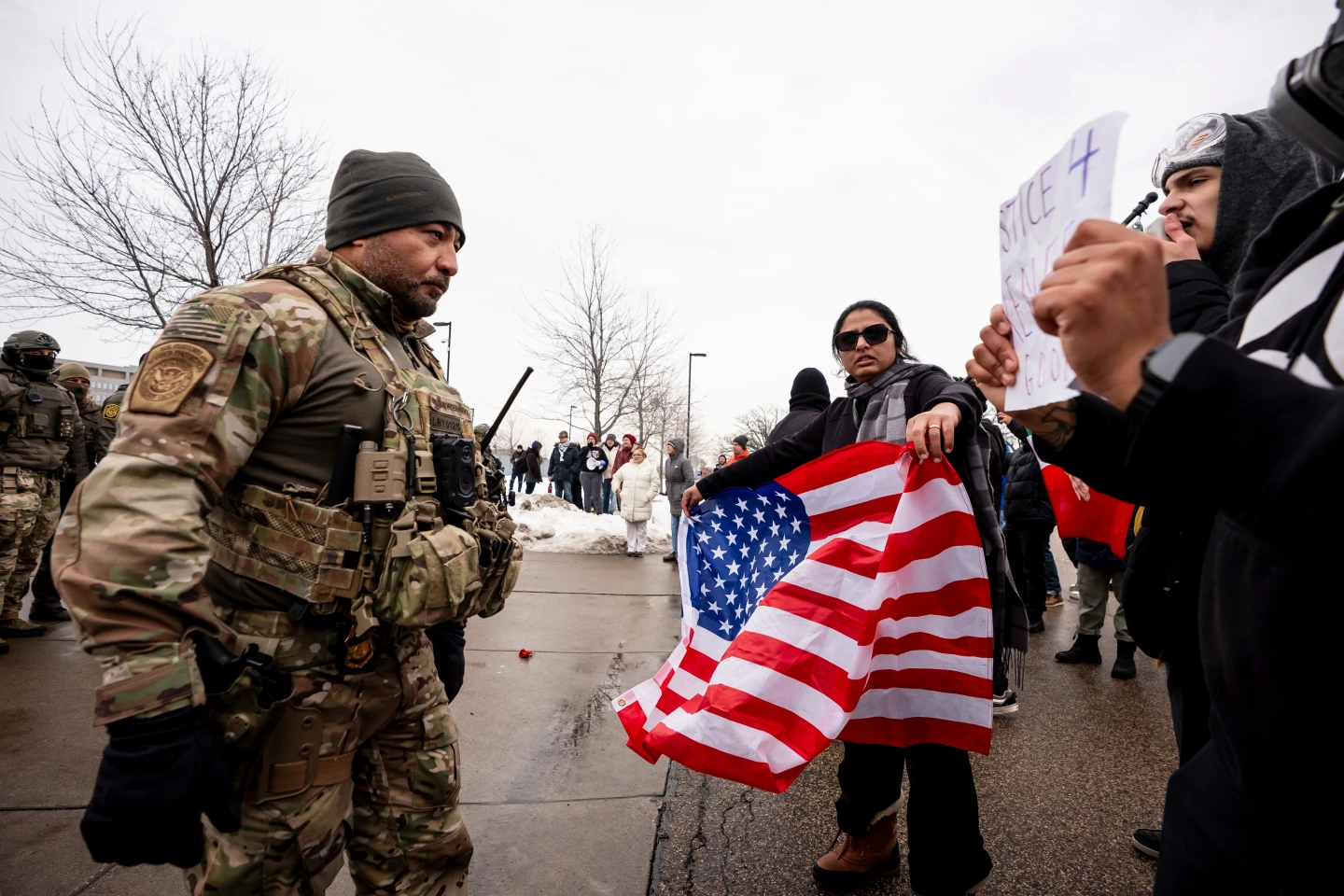
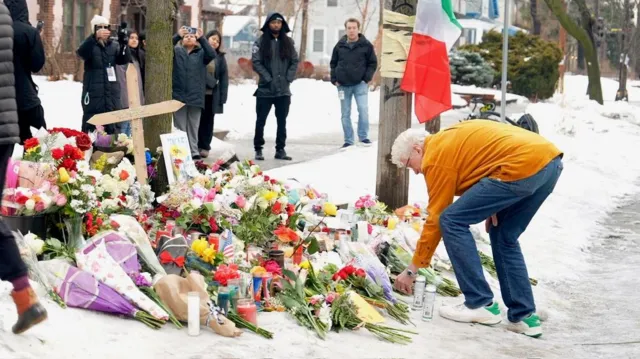
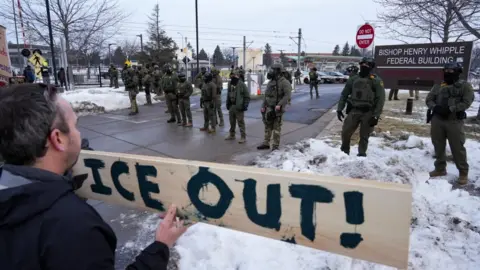
Documents obtained indicate that federal officers stationed in Louisiana have been seen departing for Minneapolis late this week. The Department of Homeland Security is calling the operation in Minnesota the largest immigration enforcement operation in history, one that has prompted protests following the fatal shooting of a woman by ICE officers. Currently, over 2,000 federal officers are involved in the Minneapolis operation, which allegedly targets issues of fraud among Somali residents.
As local sentiment heats up, especially following tragic incidents related to enforcement actions, federal officials face mounting pressures to re-evaluate their strategies. For safety reasons, the DHS has refrained from fully disclosing the operational details of their deployments, continuing to stir dissatisfaction among communities on both sides of the immigration issue.
New Orleans’ Democratic leaders have criticized the feasibility and morality of the arrests made in Louisiana, highlighting many detained lacked prior criminal records and raised concerns about the impact of these operations on family structures and the community at large.
In contrast, the state’s Republican leadership has expressed support for aggressive immigration enforcement strategies, framing them as necessary for safety. The tensions within local politics reflect deeper societal divides over immigration policies and highlight the complexities involved in balancing law enforcement actions with community needs.