Colombia's President Gustavo Petro has told the BBC that he believes there is now a 'real threat' of US military action against Colombia. Petro stated that the US is treating other nations as part of a US 'empire', following remarks made by Donald Trump suggesting that a military operation in Colombia 'sounds good.' Petro criticized the US's approach, stating it risks transforming from a dominant power to a more isolated one.
In his strong condemnation, Petro referred to US Immigration and Customs Enforcement (ICE) agents as acting like 'Nazi brigades,' expressing deep concern over their expanded operations under Trump's administration which have emphasized stricter immigration measures.
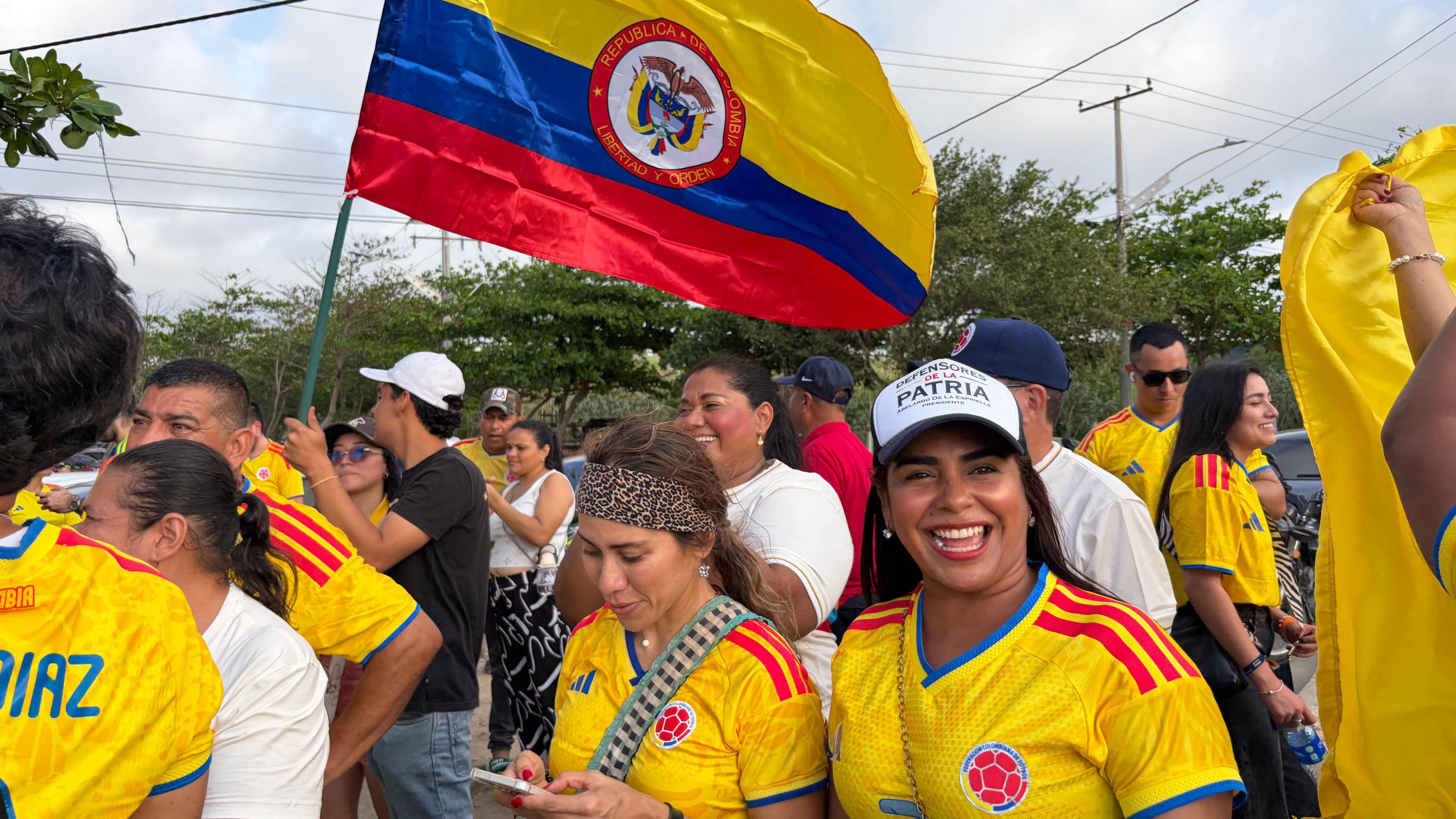
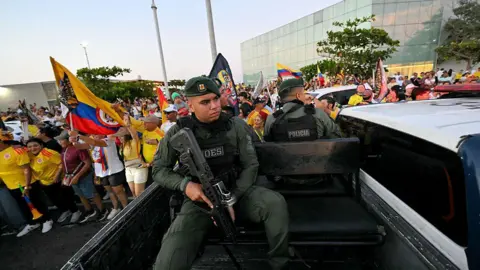
The discourse escalated after Trump indicated a willingness for military confrontation, following US military actions in Venezuela that targeted drug trafficking vessels. In response, protests erupted throughout Colombia, calling for the protection of national sovereignty and democracy.
Petro's comments reflect a history of adversarial relations between him and Trump, marked by insults and diplomatic tensions. During a recent phone conversation, the two leaders discussed various issues, including drug trafficking and the socio-political landscape of Latin America. Despite a seemingly cordial exchange, Petro's expressions following the call suggested that bilateral relations had not seen significant improvement.
Petro voiced a preference for dialogue instead of military confrontation, recalling Colombia's historical response to foreign military threats and urging for peaceful negotiations. He criticized recent US immigration enforcement actions, denouncing ICE's operational methods that have resulted in violence and loss of civilian lives.
The current geopolitical climate surrounding Colombia and the US continues to evolve, especially with Colombia's key role in the global drug trade and its significant oil reserves. As tensions simmer, both nations are poised at a critical juncture that could shape future diplomatic engagements.
In his strong condemnation, Petro referred to US Immigration and Customs Enforcement (ICE) agents as acting like 'Nazi brigades,' expressing deep concern over their expanded operations under Trump's administration which have emphasized stricter immigration measures.
The discourse escalated after Trump indicated a willingness for military confrontation, following US military actions in Venezuela that targeted drug trafficking vessels. In response, protests erupted throughout Colombia, calling for the protection of national sovereignty and democracy.
Petro's comments reflect a history of adversarial relations between him and Trump, marked by insults and diplomatic tensions. During a recent phone conversation, the two leaders discussed various issues, including drug trafficking and the socio-political landscape of Latin America. Despite a seemingly cordial exchange, Petro's expressions following the call suggested that bilateral relations had not seen significant improvement.
Petro voiced a preference for dialogue instead of military confrontation, recalling Colombia's historical response to foreign military threats and urging for peaceful negotiations. He criticized recent US immigration enforcement actions, denouncing ICE's operational methods that have resulted in violence and loss of civilian lives.
The current geopolitical climate surrounding Colombia and the US continues to evolve, especially with Colombia's key role in the global drug trade and its significant oil reserves. As tensions simmer, both nations are poised at a critical juncture that could shape future diplomatic engagements.