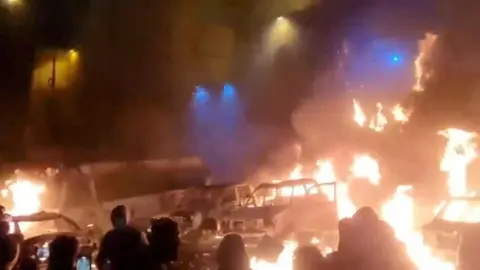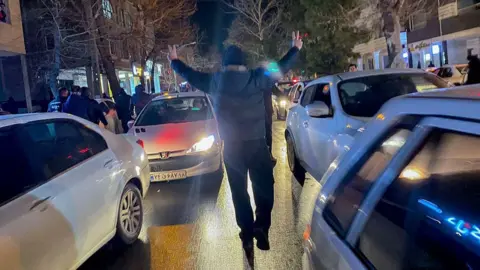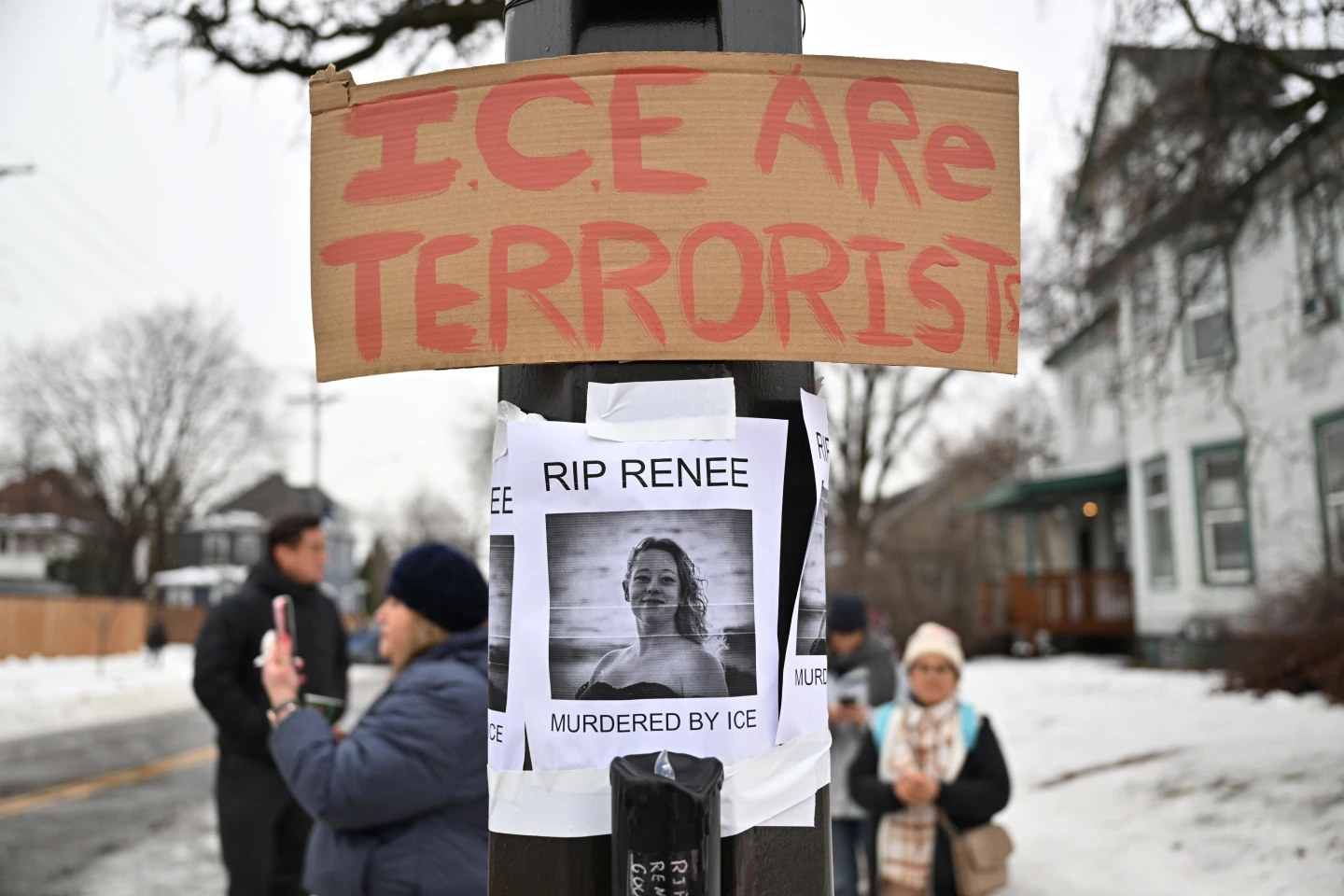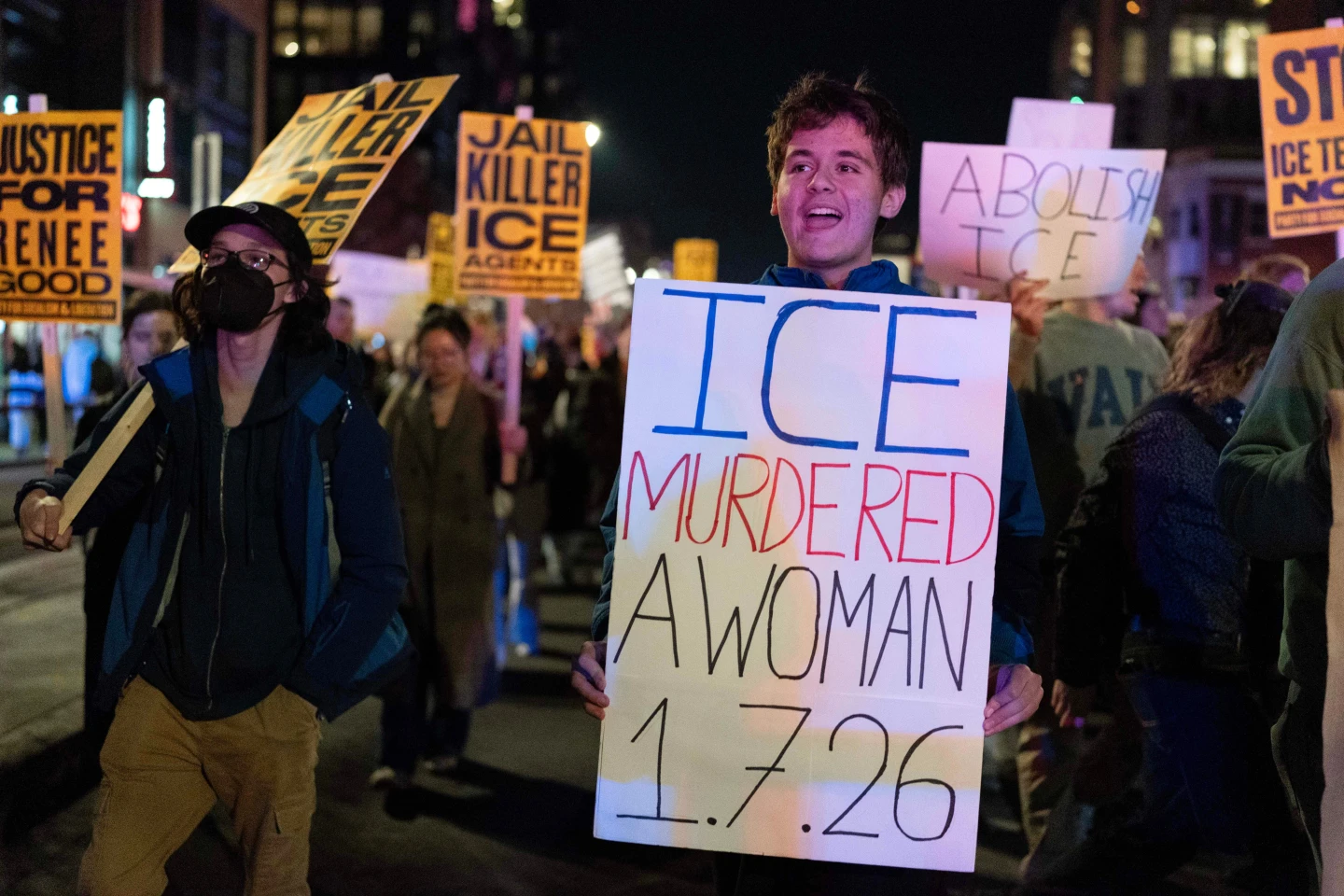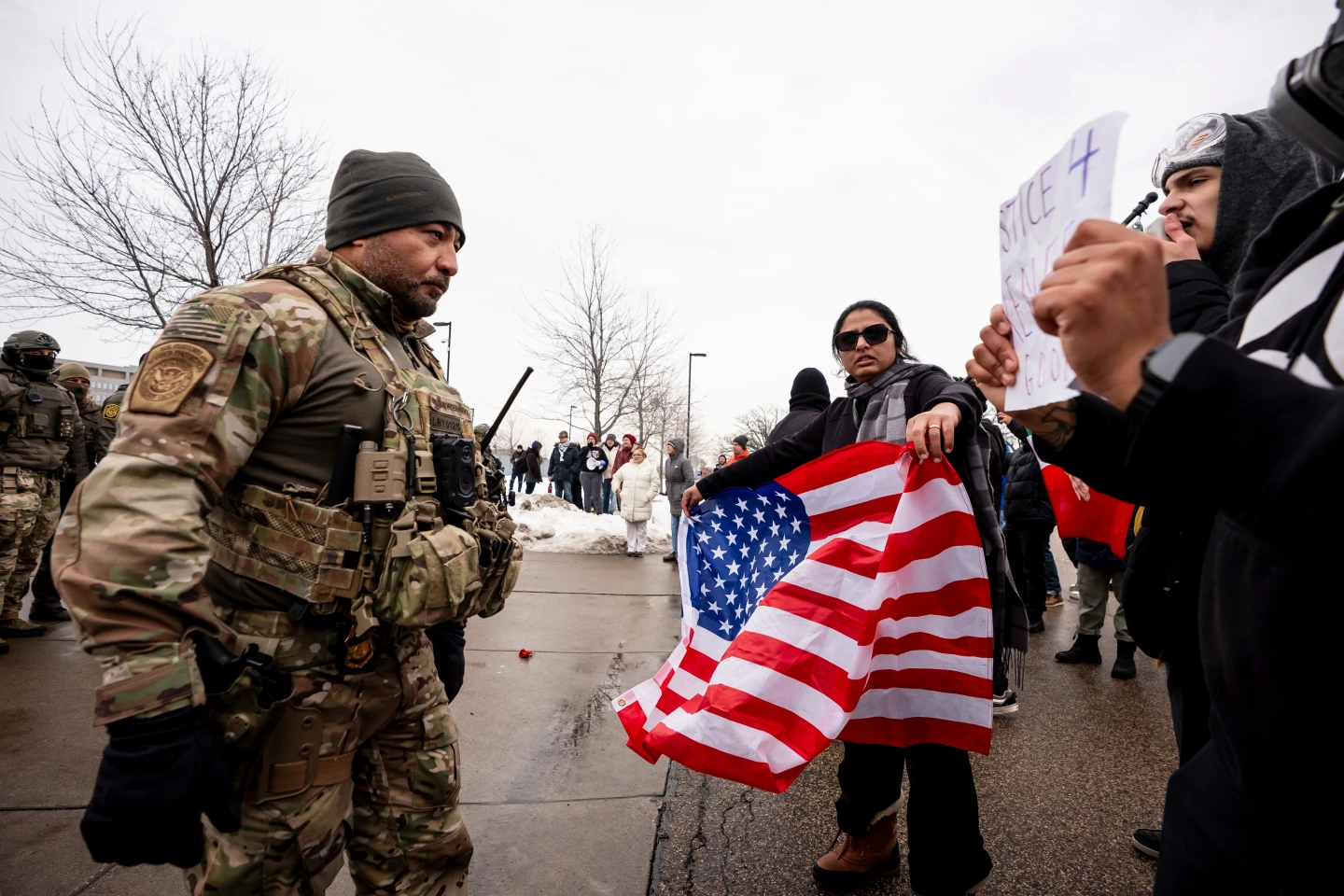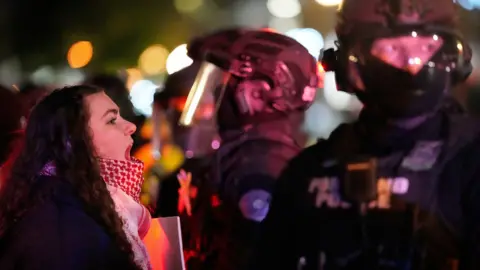
For the second consecutive night, protestors took to the streets of Minneapolis and across the United States following the fatal shooting of 37-year-old Renee Nicole Good by a U.S. Immigration and Customs Enforcement (ICE) agent. Demonstrators marched not only in Minneapolis but also in cities such as Houston, Cincinnati, Washington D.C., and Philadelphia, waving placards demanding the abolition of ICE.
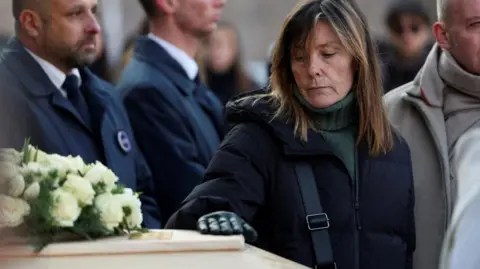
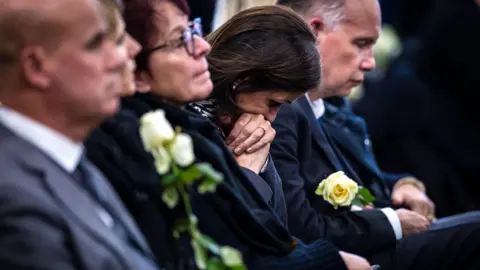
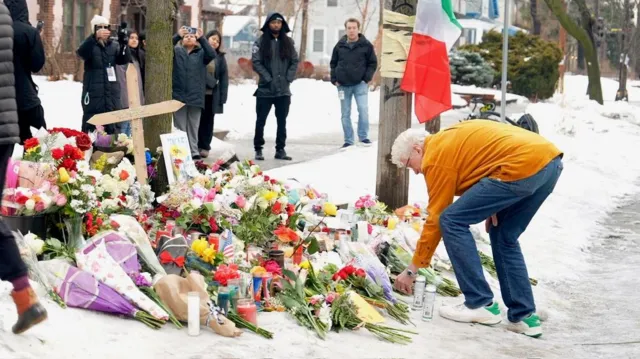
In Minneapolis, mourners laid floral tributes at the location where Good's vehicle crashed after the shooting, which took place just blocks away from the site where George Floyd was killed in 2020, a pivotal moment that initiated widespread national protests.
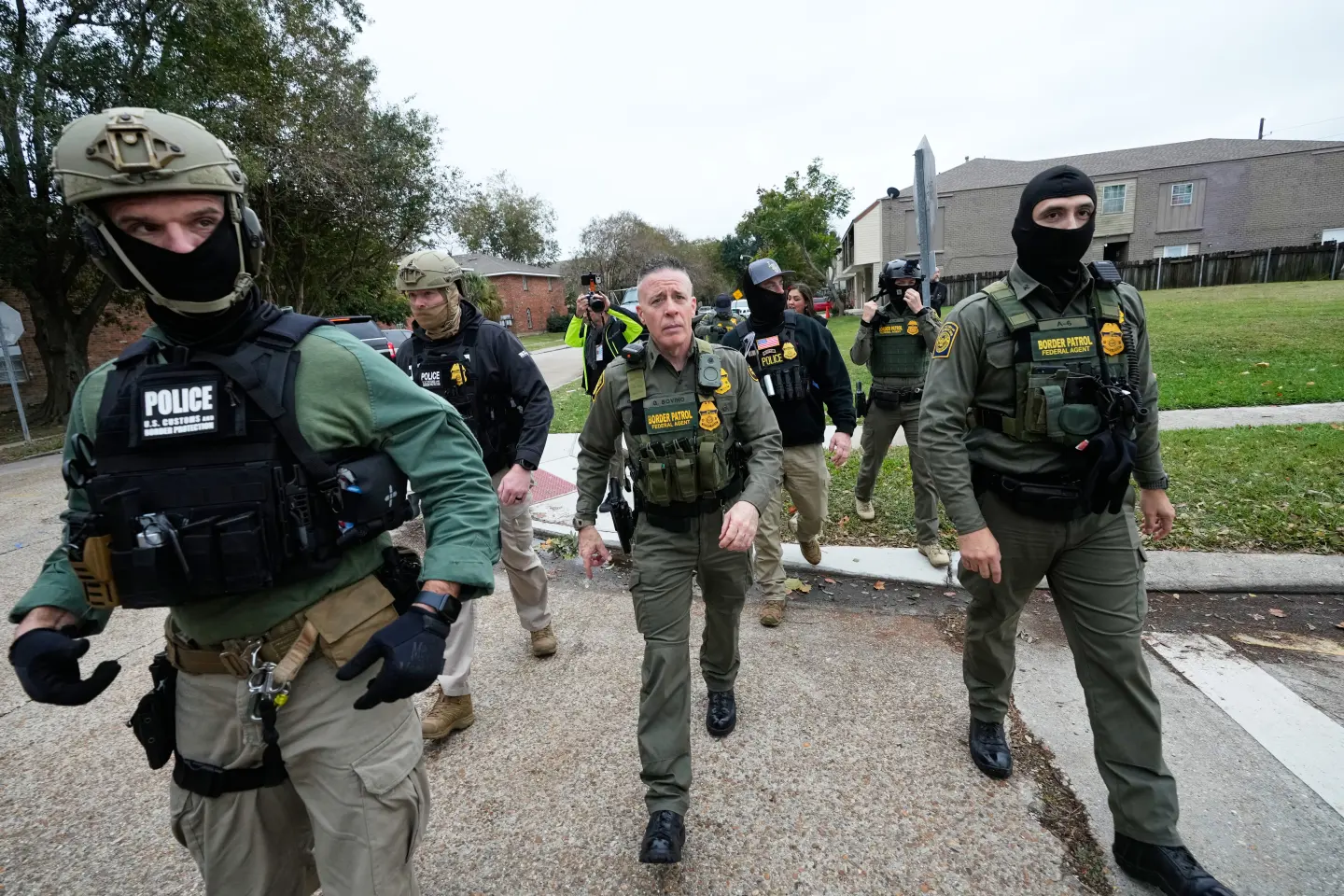
Meanwhile, a separate incident in Portland, Oregon, saw two people injured in a shooting involving federal border patrol agents during a traffic stop, raising further concerns over law enforcement conduct in relation to the communities they serve.
The Department of Homeland Security (DHS) claimed the Portland incident involved a traffic stop of a gang member attempting to run over agents. Local officials, however, voiced skepticism over these claims, leading to protests at the ICE facility in Portland.
Conflicting narratives have surrounded Good's shooting, with the Trump administration arguing that the ICE agent acted in self-defense, while local authorities maintained that Good posed no threat. The FBI announced an investigation into the matter, but tensions escalated between state officials and the federal government over jurisdiction in the investigation. Minnesota's Bureau of Criminal Apprehension (BCA) withdrew its involvement after federal agents limited access to case materials.
Calls for accountability intensified, particularly in light of the community’s outcry for justice for Good, who was remembered fondly by family and friends as a compassionate person who recently relocated to Minneapolis. Throughout the protests, demonstrators articulated their discontent with federal law enforcement practices and demanded significant accountability in cases of police violence.
As protests continue, Minnesota Governor Tim Walz has activated the National Guard to secure the protests, reflecting the gravity and emotion surrounding this incident. Activists emphasize the necessity for justice, echoing sentiments expressed after the George Floyd protests, as they seek to hold authorities accountable for their actions.