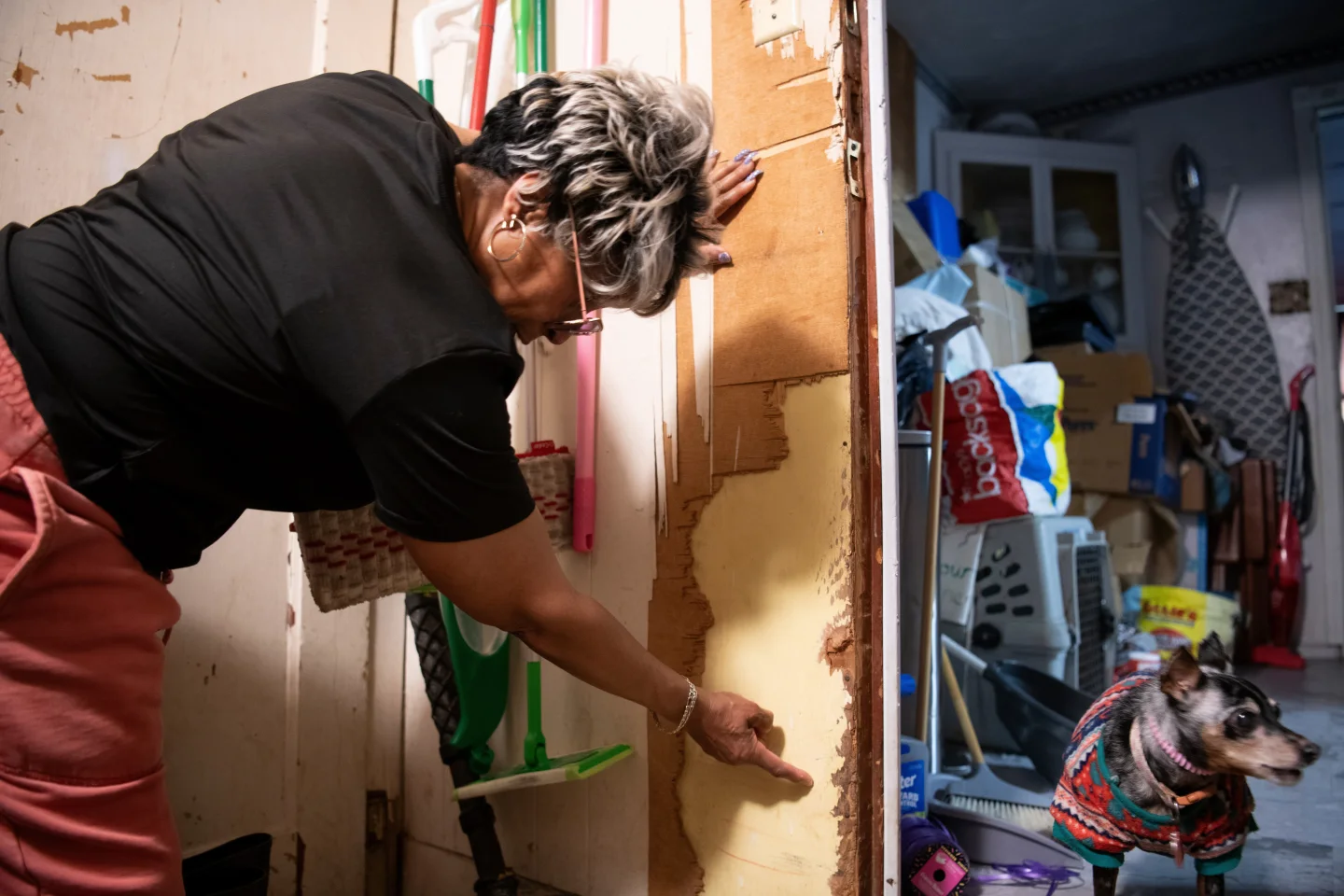
CAHOKIA HEIGHTS, Ill. — Yvette Lyles envisioned her modest brick home as a place for her family to create lasting Christmas memories. However, they quickly encountered serious challenges as pervasive flooding from heavy rains led to untreated sewage spilling onto streets, yards, and into their home. Lyles recalled the despair they felt during their initial experience with flooding, necessitating their isolation as they grappled with the disaster.
The issues plaguing Cahokia Heights, a city with a significant Black population where poverty is prevalent, reflect the conditions in many communities across the United States where outdated wastewater systems pose grave health risks. Exposure to untreated sewage can lead to severe illness as overflow problems remain prevalent in areas that lack the funds or technical support to address such crises effectively.
Efforts to rectify these disparities faced setbacks with the cancellation of hundreds of millions in infrastructure grants initiated under the Bipartisan Infrastructure Law during President Joe Biden's administration, as policies shifted under the Trump administration.
Meanwhile, longtime sewer issues persist in Cahokia Heights, where Patricia Johnson describes the overflow occurrences in her home, highlighting growing concerns surrounding health conditions associated with flooding. The city secured a settlement requiring about $30 million in upgrades, yet residents highlight the challenges in securing necessary funding, worsened by the political climate.
In nearby communities, the struggles are echoed, with significant federal funds for crucial repairs being lost or redirected. The consequences disproportionately affect minority populations, who often bear the brunt of inadequate infrastructure and sanitation services.
Despite some federal efforts toward improving water quality, critics contend that the plights of economically challenged areas remain sidelined. The necessity for focused investment in communities under threat from environmental neglect is imperative for both health safety and human dignity.
As advocates voice their frustrations regarding funding, Lyles and her neighbors remain in limbo, awaiting the help needed to address the ongoing public health crisis exacerbated by ineffective infrastructure and bureaucratic hurdles.