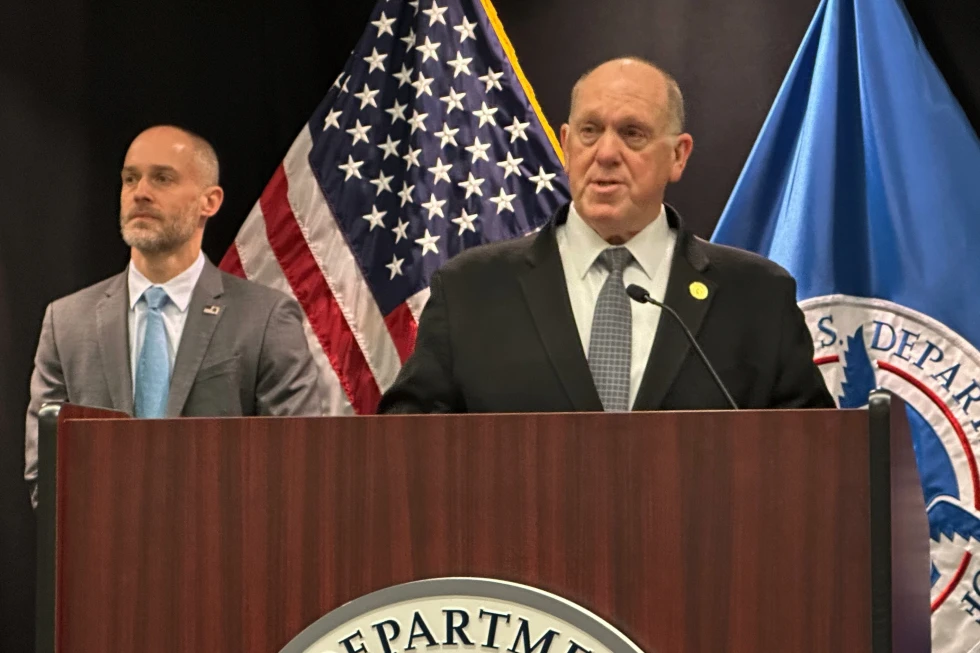
The Trump administration’s drawdown of its immigration enforcement surge in the Twin Cities area has been met with relief; however, state officials and residents express concerns about the lasting impact on Minnesota's economy and its immigrant communities. Thousands of officers were deployed to Minneapolis and St. Paul for Operation Metro Surge, which was billed as the largest immigration enforcement operation ever by the Department of Homeland Security (DHS). The operation faced increasing criticism following the fatal shooting of U.S. citizens by federal officers, prompting calls for enhanced accountability.
Following these tragic events, Border Czar Tom Homan announced the operation's end, crediting extensive engagement with local law enforcement and community leaders. Despite the drawdown of about 700 federal officers, over 2,000 are expected to remain to maintain a level of enforcement in Twin Cities.
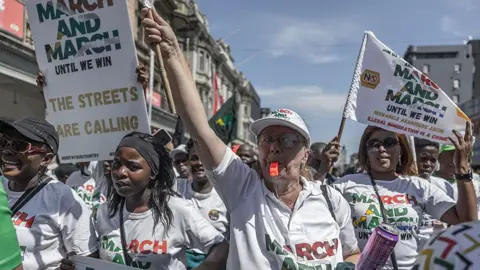
Local community members and officials have expressed skepticism regarding the administration's promises of safety, with some disputing claims that the surge improved community security. Demonstrators at recent vigils voiced concerns about a climate of fear and distrust created by the heightened ICE presence, citing closures of local businesses and signs forbidding ICE access around schools and public spaces.
As the situation evolves, local leaders continue to push for ongoing vigilance and support for immigrant communities, emphasizing that trust in governmental authorities remains tenuous.